Shoppers are predicted to spend less on booze this Christmas

Christmas is usually one of the biggest times of year for alcohol sales, but shoppers are expected to cut back on booze this festive season.
From bottles of fizz on Christmas morning to a glass of Baileys after dinner, alcohol has long been part of the festive celebrations for many of us.
But it seems our drinking habits are changing, with more people thinking twice about how much alcohol they're consuming.
The boss of the UK's biggest supermarket chain, Tesco, has said shoppers will likely opt for “marginally healthier” choices with less alcohol consumption.
Advert
Online sales for Tesco surged by 8.4% in the UK with average grocery orders growing, with sales for its rapid delivery arm Whoosh soaring by 37%.
Additionally, Ken Murphy, Tesco’s chief executive, said the retailer has launched around 800 new and improved products during the first half of the year, including expanding healthy eating ranges such as a fibre-enriched bakery items, higher protein yoghurts, and more nutritious ready meals.
“I do think it could be a marginally healthier Christmas although customers do love to indulge,” Mr Murphy said, as he highlighted the growing demand for low and no-alcohol options.
This pointed to a broader trend of healthy living, he said, adding: “I think it probably started in Covid and has built momentum since then and, as with many trends like these, they start with younger people and work their way up.”
He added that Tesco was expecting to see a more “moderate Christmas from an alcohol point of view” amid the wider trend.
More of us are embracing low-or-no alcohol options
The prediction comes as growing numbers of Brits embrace drinking in moderation, rather than automatically reaching for a beer or glass of wine.
According to Drinkaware's 2026 Monitor, a record 91 percent of UK drinkers now use at least one technique to moderate their alcohol consumption, compared with 87 percent last year.
Meanwhile, 48 percent use low- and no-alcohol products to help manage their drinking, while a quarter are choosing these alternatives more frequently when visiting pubs, bars and restaurants.
It's a considerable shift from the days when ordering something alcohol-free meant settling for a lemonade.
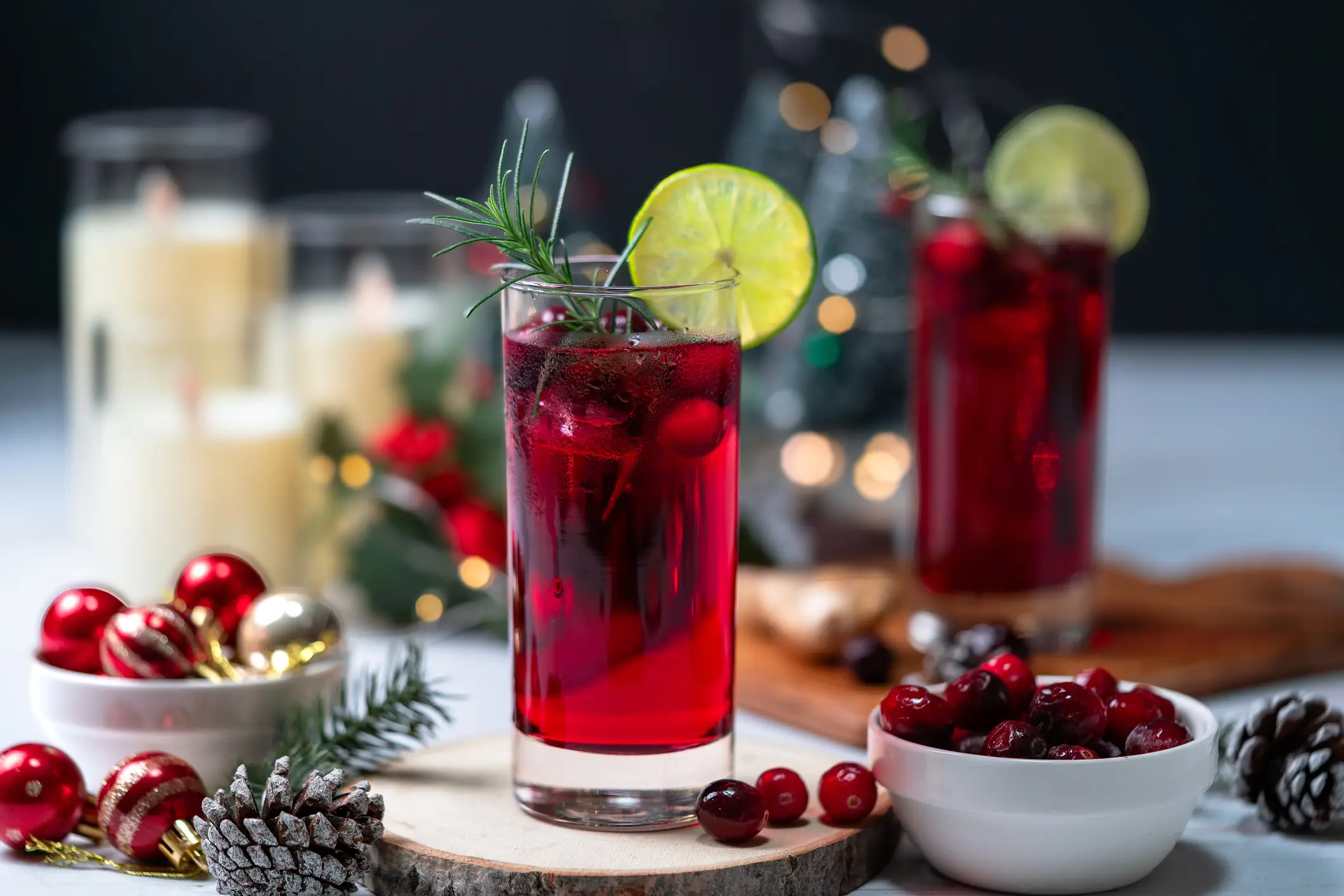
Why are more people choosing to drink less?
While the drinks industry might be concerned, not everyone sees the change as a bad thing.
Tara Oporto, founder of Temperates and author of Temperates: The New Culture of Drinking Less, believes people have plenty to gain from reconsidering their relationship with alcohol.
"Whatever is driving it, health, money, or a weight loss jab, skipping the drink at Christmas is a win, not a miss," she told FOODbible.
"You're not missing out on anything. We've been conditioned to think we are."
However, she acknowledged that cutting back isn't necessarily straightforward, particularly for people who associate alcohol with socialising and celebrating.
"Breaking up with alcohol, or letting it move far enough away that you only see it once in a while, is a tough thing to go through if you're a regular, moderate drinker who enjoys drinking."
For anyone considering a less boozy Christmas, Oporto recommends thinking about why they drink in the first place.
"Ask what job you're actually hiring the drink to do. Marking the end of the day, loosening up, belonging at the table."
Once people understand that, she believes it becomes easier to find alternatives.
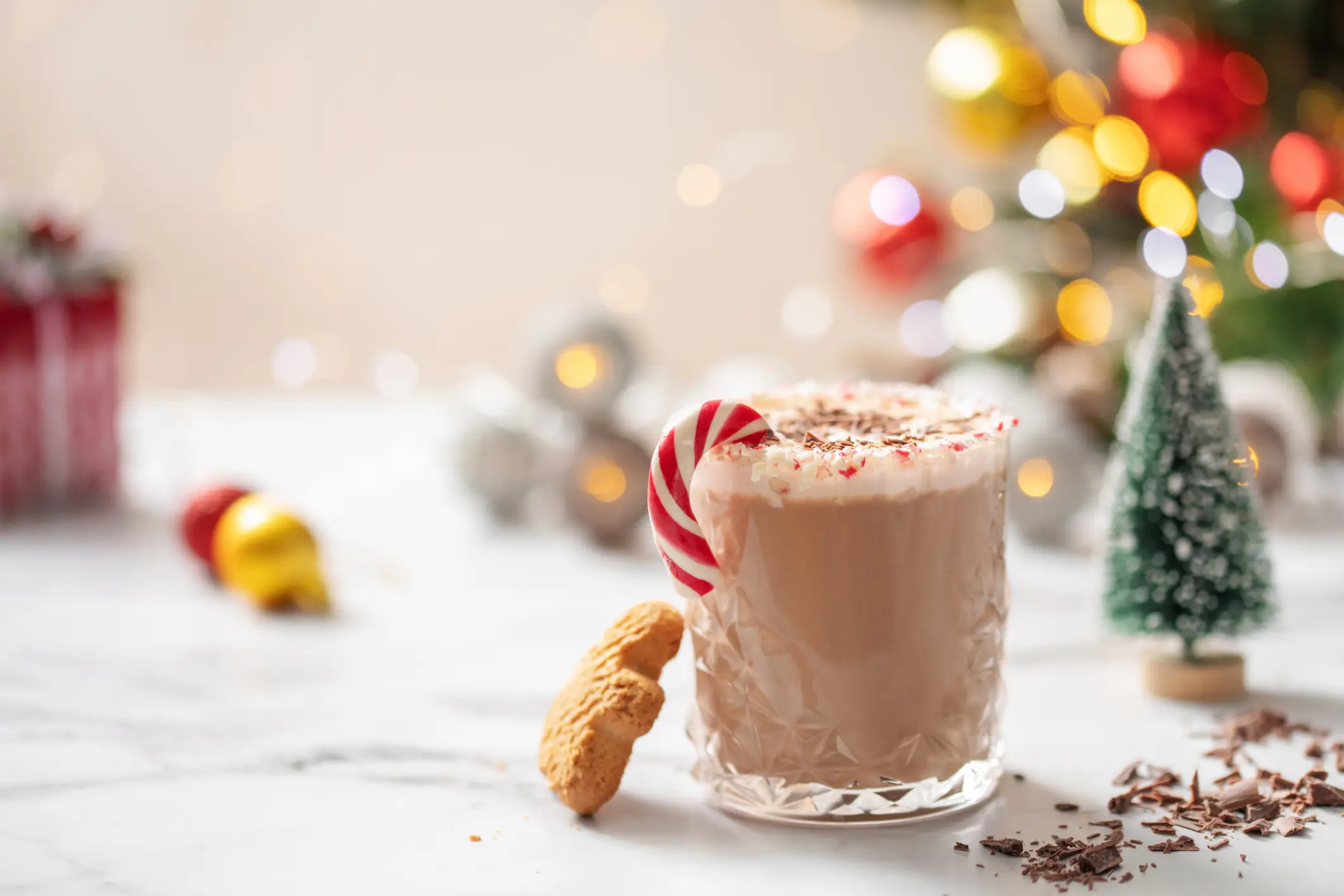
What can you drink instead of alcohol at Christmas?
Fortunately, skipping the booze doesn't mean spending Christmas Day nursing a glass of tap water.
Jacobia Solomon, founder and CEO of SipSide Mocktails, suggests hosts put as much thought into their alcohol-free offerings as they do their festive food.
Her recommendations include ready-to-drink mocktails, botanical spritzes, alcohol-free sparkling drinks and zero-proof punches.
Mulled apple or pear drinks are another option, particularly when paired with seasonal spices and fresh garnishes.
Solomon also encourages hosts to offer several appealing alcohol-free choices, rather than treating non-drinkers as an afterthought.
Oporto agrees, saying she prefers creating something special that feels appropriate for the occasion.
"It shouldn't be a soda in a nice cup. It should be a drink people want."
Even although she's reduced her own alcohol consumption, she isn't ruling out having a drink on Christmas Day.
"I keep a budget of five drinks a month, so I'll probably spend one on Christmas Day," she explained.
"I'm leaving the door open, and I'll decide that day based on how I feel."
So, while Christmas might look a little less boozy this year, that doesn't necessarily mean people are giving up the festive celebrations.
They might just be raising a different kind of glass.
 Jen Thomas