Popular beer slashes ABV in cost-cutting measure as prices stay same

A popular beer brand has announced it will lower the Alcohol By Volume (ABV) in its flagship lager by the end of the year, causing disgruntled fans to vow ‘thanks, but no thanks’.
When it comes to alcohol, everybody has a tipple of choice, right?
It could be cider, which has recently increased by 32p per pint on average, the ‘basic girl cocktail’ AKA the Hugo Spritz, or maybe even BuzzBallz, which are currently under fire amid ‘greenwashing’ claims.
For many, a dream evening is sinking a couple of cans of Carling in the back garden while flexing pitmaster muscles and cooking up a storm on charcoal.
Advert
However, the can you know and love is changing from October, officials have revealed.
By the time autumn swings around, the beverage’s ABV will be cut down from 4 percent to 3.4 percent, ultimately making the beer weaker.
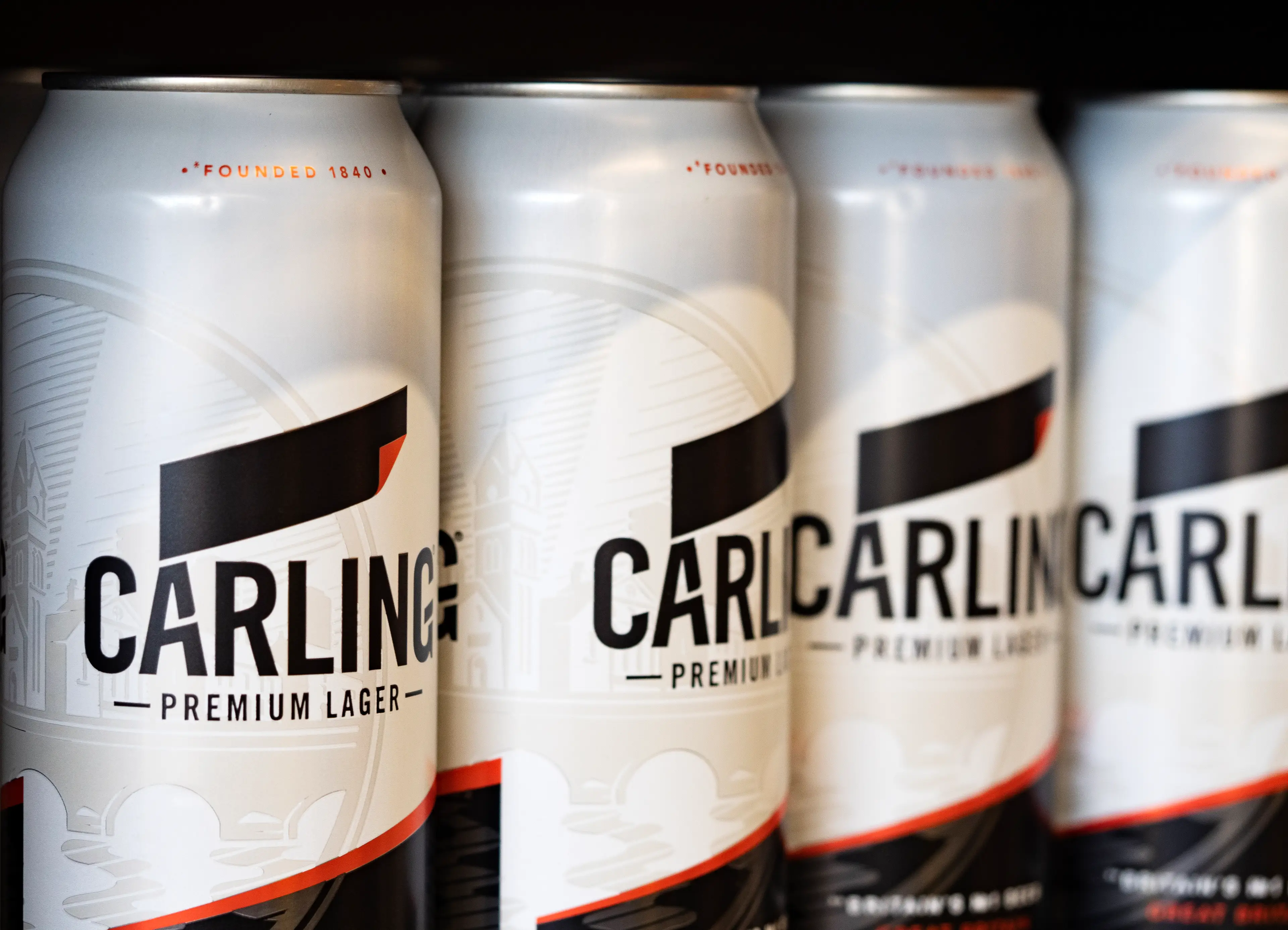
The Daily Star reported that the lower ABV Carling cans will be sold in Britain.
Drinkers in other territories, including Ireland, Spain and France, will not be affected by the controversial change.
Fans of the brand have weighed in on the update, with one Facebook user saying: “So many great beers and lagers have been ruined by lowering the ABV, even a 0.2 percent cut is unbelievably identifiable.
A second claimed: “Not drinking that pop then.”
“They might be pushing people to drinking Burton Champagne instead, aka Madri,” someone else joked.
“Make it weaker and keep the same price? Errr thanks but no thanks!,” a fourth proclaimed.
Others have defended the brand, with another Facebook user writing: “I really don't get all the hate for Carling. It is miles better than Fosters and Carlesburg and is often at quite a decent price point.” (Sic)
“To be a bit fair they are the last ones to drop to 3.4 and it's due to the duty paid by brewers on the alcohol content. As for taste don't serve it super cold and the flavour returns,” a second advised.
A third user put a positive spin on the change, remarking: “Lower % quicker brew time. Should be cheaper. Hence why Skol is 1.99 for 4 cans.”
In a statement, Ryan McLaughlin, brand director for Carling at Molson Coors, said: “Carling has always been about bringing people together – whether that’s watching the football, catching up with mates or simply enjoying a beer responsibly at home.
“By evolving our range and investing behind the brand, we’re making sure Carling continues to offer something for different tastes and occasions, while keeping the great refreshment people know and love. Alongside the launch of Carling Black Label, this gives our fans more choice than ever before within the Carling family.”
Tax reason for lower ABV
So why is Carling lowering its beer ABV? Well, it's all to do with tax.
Brands with an ABV between 1.3 and 3.4 percent are taxed at a rate of £9.96 for every litre of pure alcohol.
Meanwhile, those with an ABV between 3.5 and 8.4 percent are taxed at a much higher rate of £22.58 for every litre of pure alcohol.
“Beer tax in the UK is absurdly high, and we support the principle that a lower ABV should mean a lower tax rate,” said Tim Webb, of the Campaign For Real Ale (CAMRA).
“Global brewing giants, however, have diluted their recipes to hit the lower tax band, without reducing prices, and sometimes hiking them. This is something that independent brewers simply can’t afford to do or won’t do because it will compromise quality.”
Carling decision made after ‘extensive consumer testing’
Carling owner Molson Coors has claimed that despite having a lower ABV, Carling cans will still have the same perfectly balanced and refreshing’ taste regardless of the drop in alcohol content.
The firm has also claimed that ‘extensive consumer testing has shown that the 3.4 percent liquid delivers the taste consumers expect from Carling – with the 3.4 percent lager ranking higher for overall taste.”
Despite it being lower in ABV, cans and bottles of Carling will still remain at the same price in supermarkets.
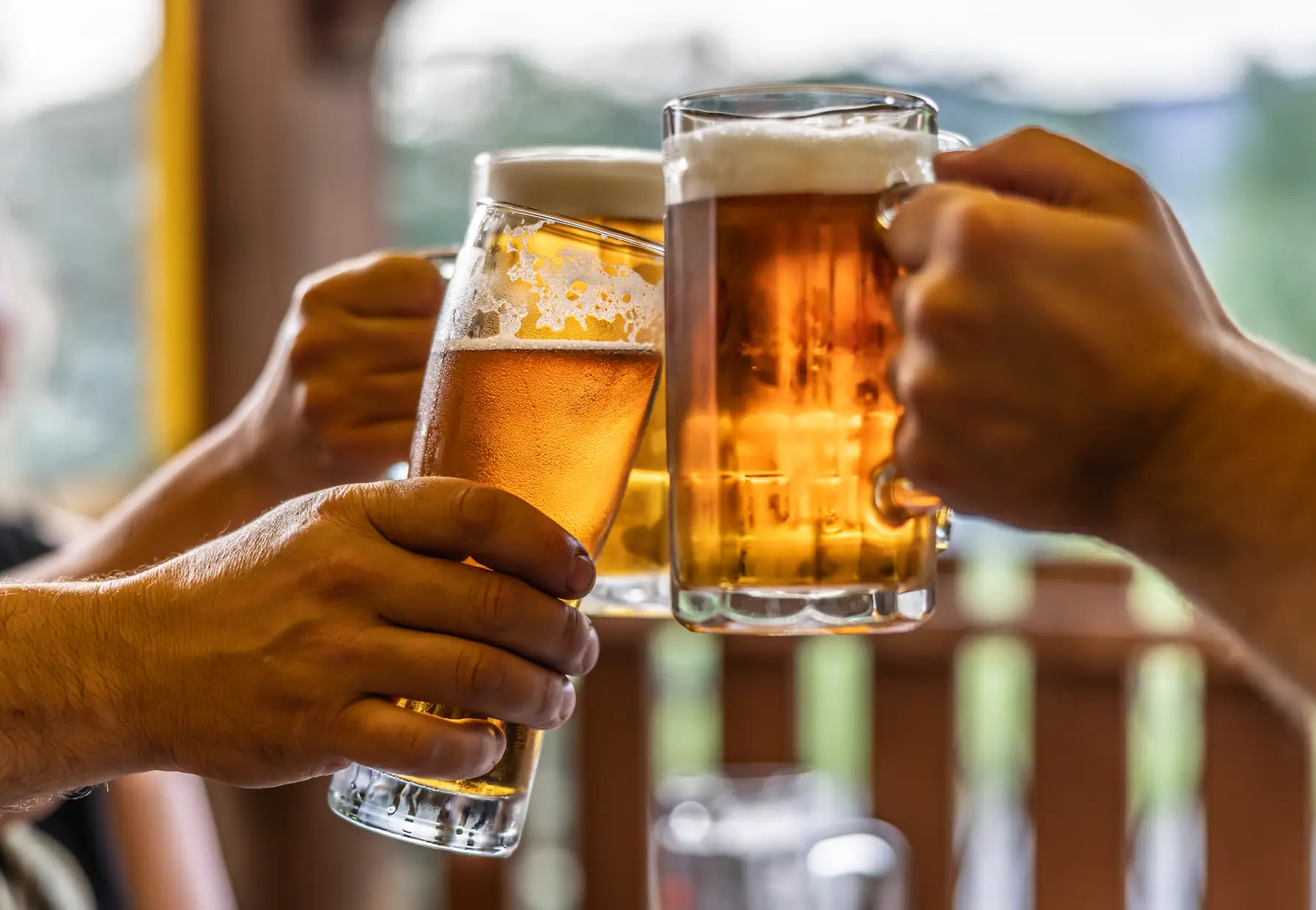
Other brands reduce beer ABV
Carling might be the latest, but it isn’t the only popular beer brand to get weaker over the last few years.
Amstel
Anyone heading into a supermarket to pick up a couple of Amstel cans will find that its ABV is now 3.4 percent.
Prior to the change, the alcohol content sat at 4.1 percent ABV.
Cruzcampo
Heineken owns the Seville-founded brand Cruzcampo, which is sold in the UK with an alcohol content of 4.4 percent.
Find it in its native land at 4.8 percent.
Estrella
Spanish import Estrella Damm may be a permanent pub fixture here in the UK.
However, you may be surprised to know that it's a lot stronger in its native country - 0.8 percent ABV more, to be exact.
Grolsch
A four-pack of Grolsch pilsner cans can be picked up from Sainsbury’s for £4.55. Like Carling and Amstel, it has an ABV of 3.4 percent.
If you head to the Netherlands or pick it up from other international markets, then expect to find it at 5 percent ABV.
Mythos
Beer drinkers who have travelled to Greece in the last decade are surely already acquainted with the delicious, crisp beer known as Mythos.
If not, then you can now head down to your local Tesco to pick up picks but be warned: its ABV is less than the original.
In Crete, you’ll be able to pick up five percent bottles. But in Rotherham? 4.6 percent.
Stella Artois
Belgian favourite Stella Artois had its ABV reduced from 4.8 to 4.6 percent in 2020, years before the heavy levy was even introduced.
However, The Sun reported in 2012 that it was once being sold at five percent. The good old days.
 Ella Scott