RFK Jr hits back at reporter after he fact-checks 'affordable' $20 meals

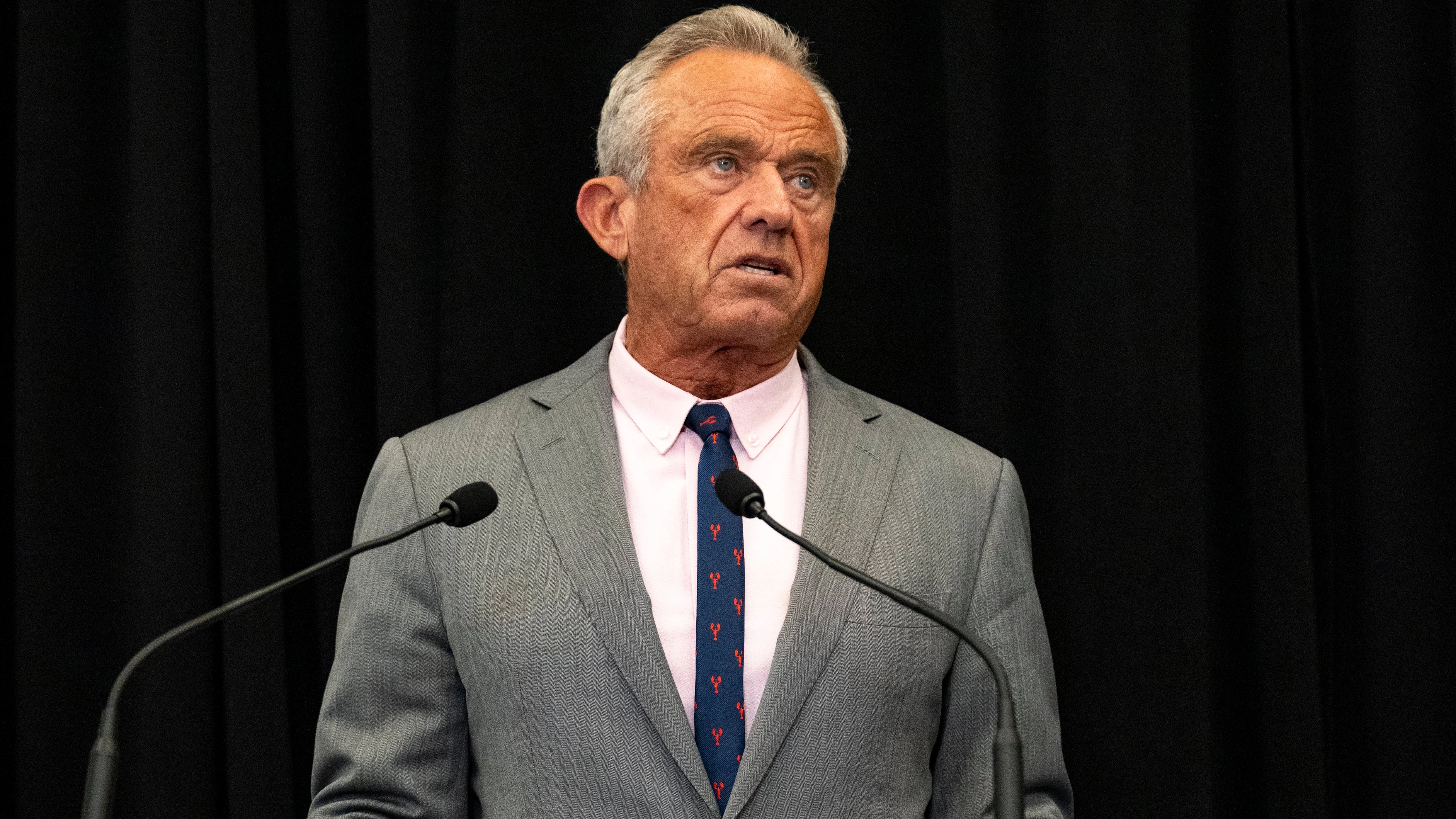
Health and Human Services Secretary Robert F. Kennedy Jr. has responded after a CNN correspondent questioned the prices of his Real Food Show recipes.
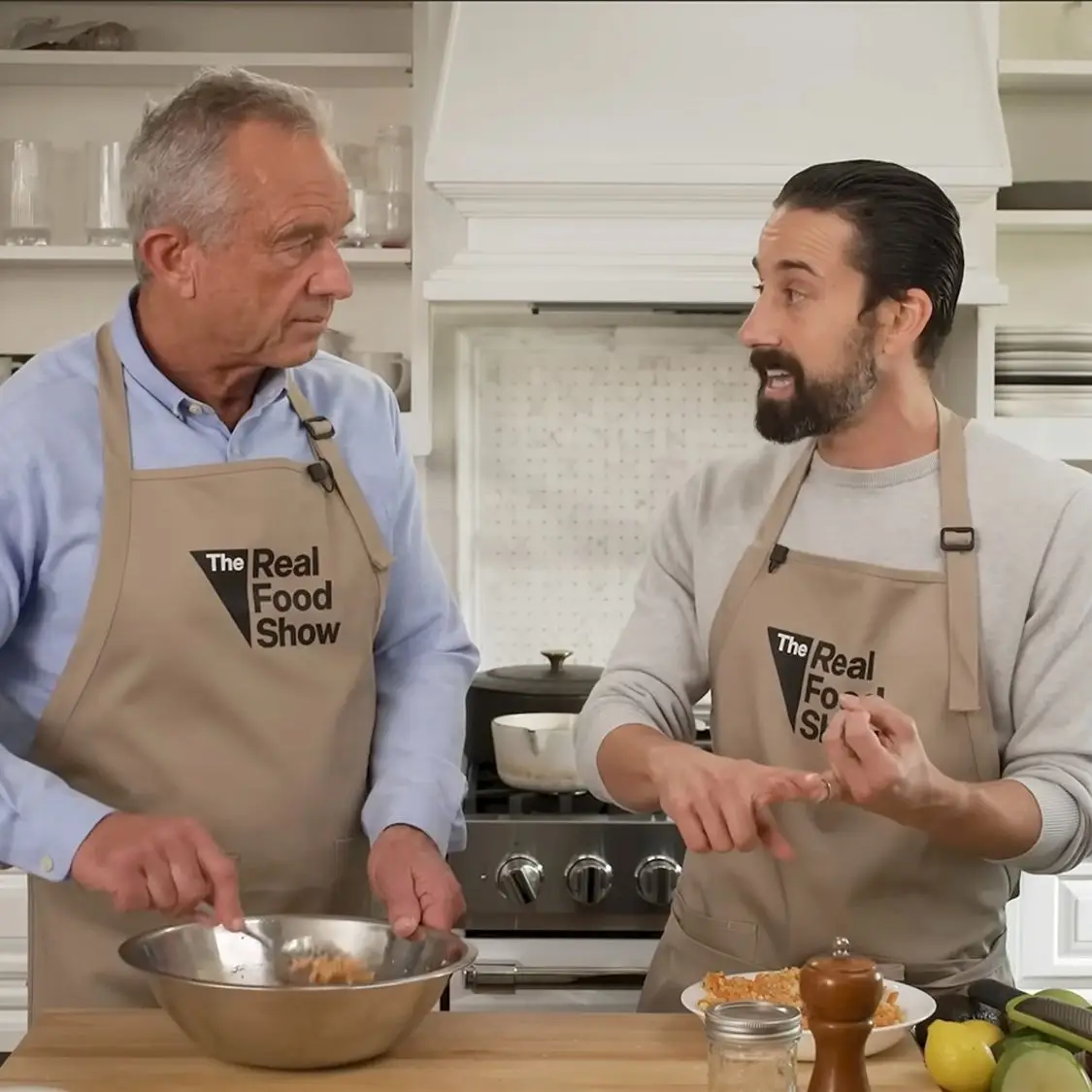
On 30 July, the 72-year-old launched his YouTube cooking series designed to ‘inspire Americans to cook healthy, affordable meals at home’, as per the Department of Health and Human Services (HHS).
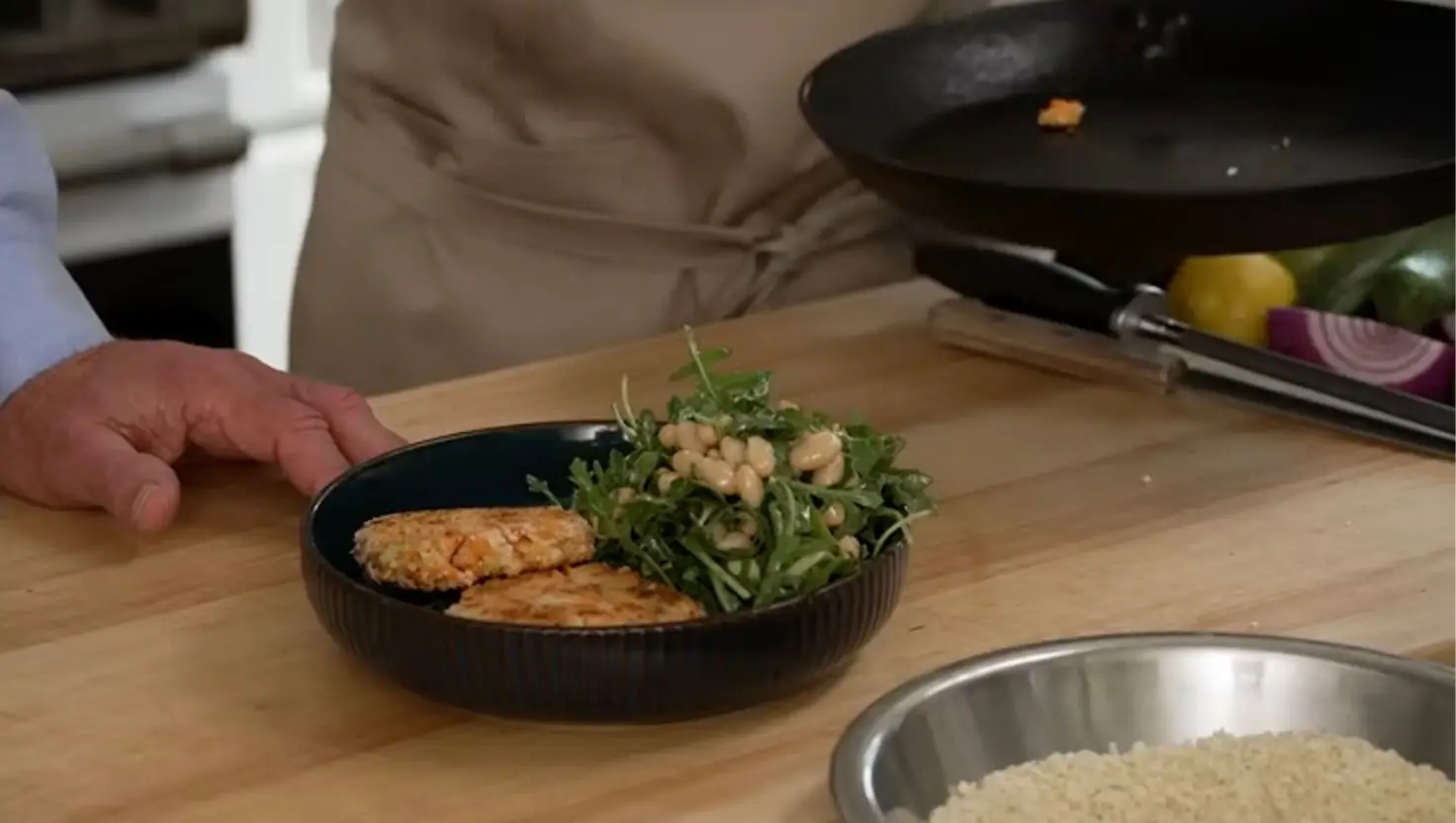
In the inaugural programme, RFK Jr. teamed up with chef Andrew Gruel to prepare salmon cakes and a fresh salad of apple, white bean and greens—a dish they claimed would feed a family of four for the grand total of $19.64.
However, a report aired via Erin Burnett OutFront on CNN argued that the so-called $20-shy recipe may cost more than previously advertised.
Advert
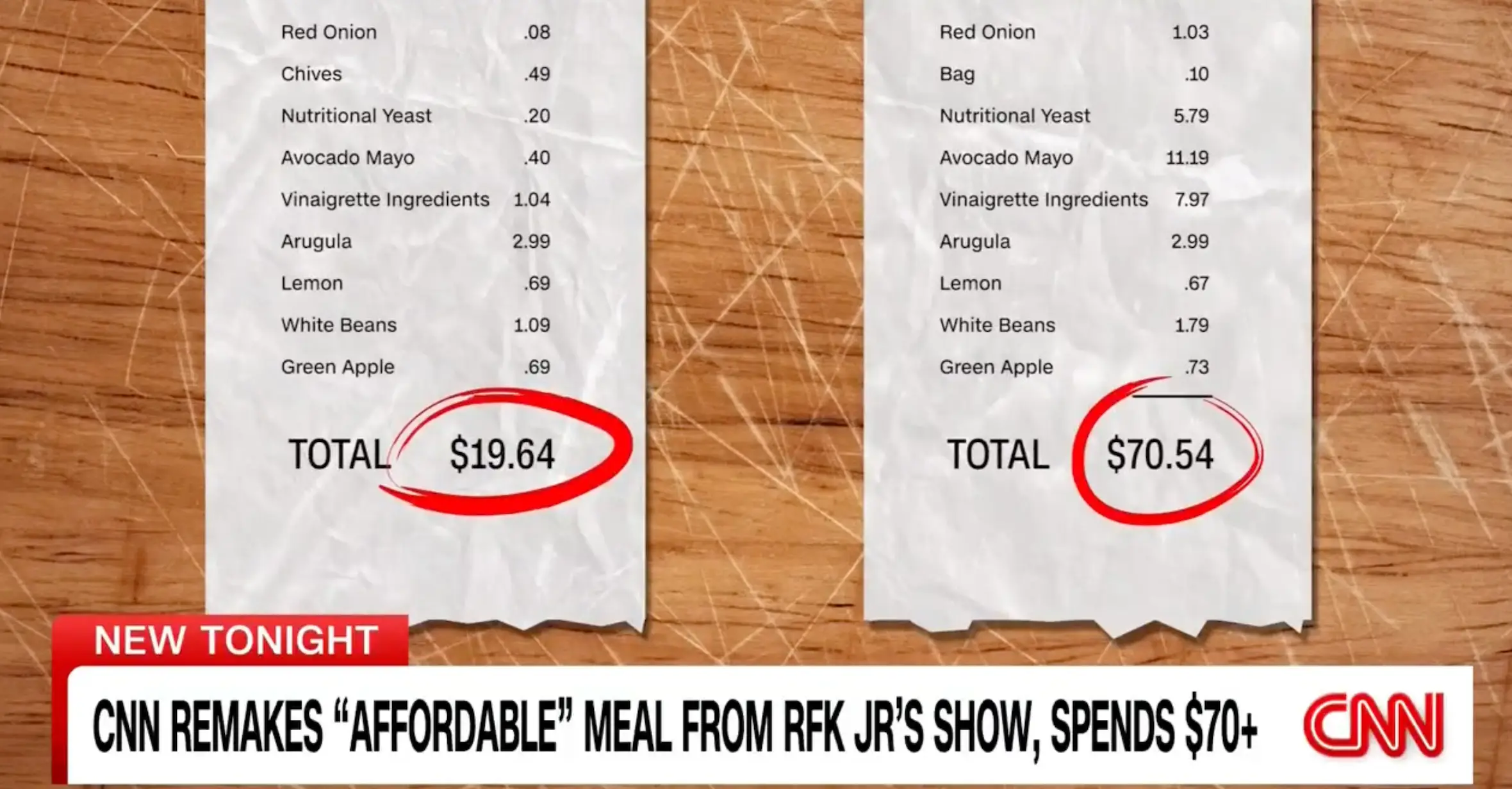
According to a report from correspondent Tom Foreman, the salmon cakes and fresh salad would actually cost shoppers $70.54 if they were to purchase all of the ingredients at a grocery store.
RFK Jr.’s recipe listed a 20-cent portion of nutritional yeast, a 40-cent splash of avocado mayo, and white beans for $1.09.
In a side-by-side price comparison, Foreman’s receipt showed him purchasing the former for $5.79 a pot, avocado mayo at $11.19 for a full bottle, and white beans for $1.79, among other groceries.
The outlet argued that in The Real Food Show recipe, the price of one egg and part of an onion was used to make the dish seem ‘affordable’.
“They’re only pricing parts of it, and grocery stores don’t sell things that way,” Foreman said, as reported by People Magazine.
“HHS insists this is standard recipe-costing methodology, and they want to help Americans stock up on high-quality ingredients they can use across many meals.”
He added during the segment that he did not see how viewers could ‘walk into a grocery store with $20 and come out with this’.
RFK Jr. has since hit back at the Erin Burnett OutFront show whilst defending his YouTube project.
“Trump Derangement Syndrome has so debilitated @ErinBurnett that she has abandoned both common sense and basic arithmetic,” he wrote via social media.
“CNN wants us to incorporate the full package price of every ingredient, regardless of what is used in the recipe.”
The father-of-six continued: “If you put a squirt of ketchup on your burger, would you be surprised if the restaurant charged you for the whole bottle?
“The Real Food Show uses standard recipe costing: we count what the recipe actually uses. The rest stays in your kitchen for the next meal—and the meals after that.
The environmental lawyer added that the purpose of the programme was to help ‘Americans reclaim their kitchens, cook healthy food without breaking the bank, and stock their pantries with high-quality ingredients they can use again and again’.
Abby Langer, a Toronto-based registered dietitian, has also discussed the cost issues featured throughout The Real Food Show episodes.
She wrote for Men’s Health that cost numbers are ‘way off’ whilst criticising the lack of ‘acknowledgement of the upfront cost of buying the pantry staples used in the recipes’.
“Calculating a tablespoon of an ingredient makes the cost look small, but you still have to purchase an entire container of it,” she argued.
“When we crunch the numbers, the economics of The Real Food Show start to look a lot different than what’s presented on the screen.
“If the goal is to help Americans eat healthier, then the show should reflect the realities of what the majority of people can afford. Not the 1 percent, but the people who need a show like this the most.”
 Ella Scott