
Nigella Lawson says food shouldn't be 'naughty' and experts agree

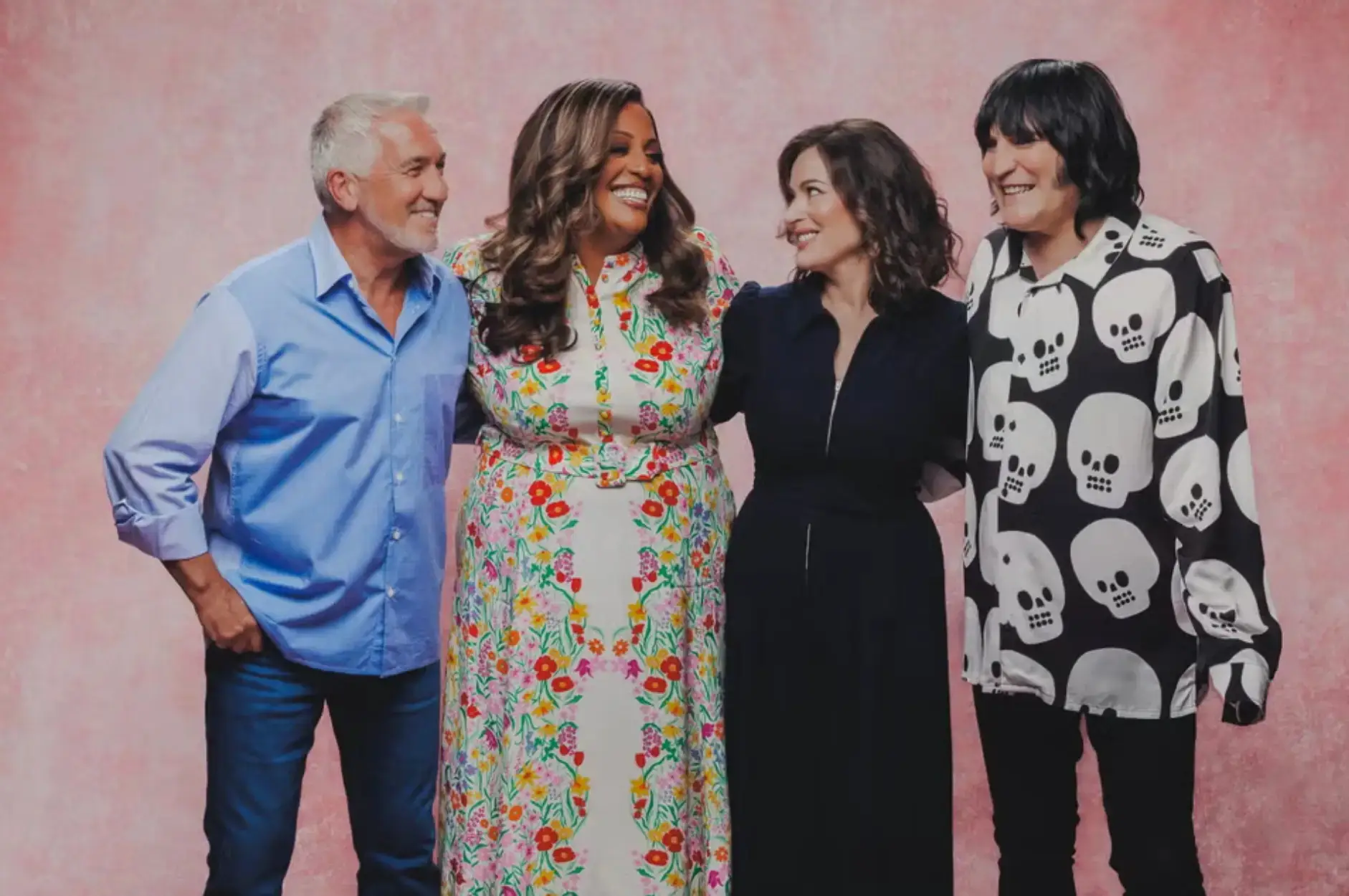
Nigella Lawson has never been one to apologise for enjoying food, so when Paul Hollywood described a biscuit as ‘naughty’ on The Great British Bake Off, it was perhaps inevitable that she wasn’t having any of it.
“I don’t approve of referring to food as naughty,” Lawson told her fellow judge on the show during Biscuit Week.
“We have to take our pleasures where we can in life.”
Lawson’s comments came as she enthusiastically tasted her way through the episode, and her refusal to attach a moral judgement to a biscuit offered a refreshing change to the language often used around eating.
Advert
The brief exchange struck a chord with viewers, and on Reddit one fan raved that they ‘loved that she directly challenged Paul when he said a cookie should be naughty’ and the idea that ‘food has no moral value, it’s neither good or bad.’

Why Nigella Lawson's Bake Off comment mattered
In the past, former Bake Off judge Prue Leith was criticised for saying things ‘weren’t worth the calories’.
Food is regularly described as ‘good’, ‘bad’, ‘clean’, ‘cheating’ or, as Hollywood put it, ‘naughty’.
For people who already have a difficult relationship with food, the language can become more complicated.
Psychotherapist and author Eloise Skinner says Lawson’s intervention could be helpful because it challenges the idea that particular foods have a moral value.
“I think it could definitely be seen as helpful in some ways - it helps to dismantle ideas about good or bad foods that can lead people to negative habits or thought patterns around food,” she says.
It can also, she adds, help people avoid feelings of shame around eating certain foods.
That does not mean pleasure has to disappear from the way we talk about food.
In fact, Skinner says the answer may be different for different people.

Achieving food neutrality
Some people can maintain an essentially neutral relationship with food while still enjoying the taste, texture and experience of eating.
There is no contradiction between thinking of food neutrally and taking genuine pleasure in a really good biscuit.
“For some people, for example, they might be able to maintain an overall ‘neutral’ approach while also enjoying sensory experiences and finding pleasure in food,” Skinner says.
For others, however, even positive language around certain foods can become complicated.
Skinner points out that some people may find it more useful to maintain a neutral attitude across all food groups rather than creating particularly strong emotional associations with certain foods.
That makes the idea of ‘food freedom’ less straightforward than it can sometimes sound online.
There is no magic phrase that will suddenly give everyone a better relationship with eating.
Instead, Skinner suggests starting with something much less dramatic: paying attention.
“As with many mindset shifts, the first thing is observation: noticing the labels that might arise, and starting to challenge them as they come up.”
That might mean catching yourself describing a chocolate bar as ‘bad’, referring to a meal as a ‘guilty pleasure’, or feeling that choosing a salad makes you somehow ‘good’.
It does not necessarily mean these thoughts are a sign of a problem, the useful part is noticing the pattern, and changing the language can help too.
Skinner suggests reframing experiences in more neutral terms and encouraging family and friends to use similar language, particularly when children are involved.
Never too late to change
Is it too late for adults to unlearn any engrained habits? “I don’t think so at all - we still have immense flexibility in our minds and routines to implement new changes or challenge beliefs,” insists Skinner.
Adults may actually have some advantages when it comes to making those changes.
They have greater control over what they buy, cook and eat, as well as the people and messages they allow into their daily lives.
“It can take some focused effort in unlearning behaviours,” Skinner says, “but I think it’s absolutely possible and very rewarding to do this as an adult.”
Perhaps that is why Lawson’s comment landed so well.
She was not suggesting that everyone should eat more biscuits, nor was she arguing that nutrition does not matter.
Lawson was explaining that food does not need to be innocent, sinful, virtuous or wicked.
Sometimes it is just a salad, or a cake. Or, in this case, a biscuit.
Topics: Celebrity, Health, TV and Film
 Jen Thomas