
Emma Thompson's 'anti-diet' that helped her lose 8kg

For Emma Thompson, food has never been the enemy, and that’s precisely why her approach to health has worked.
At 66, the TV and film actor and screenwriter lost 8kg by rejecting rigid diet culture in favour of what she calls an ‘anti-diet’: a way of eating built around balance, structure, and enjoyment, rather than deprivation.
Rather than cutting out entire food groups or chasing the latest superfood trend, Thompson focused on keeping things sustainable. Working with nutritionist and personal trainer Louise Parker, she followed a calorie-controlled plan that prioritised nourishment over restriction. The idea was simple: eat regularly, eat well, and don’t turn food into a moral battleground.
Her routine included three protein-heavy meals a day; that’s alongside slow-digesting carbohydrates such as whole grains, vegetables, and fruit.
Advert
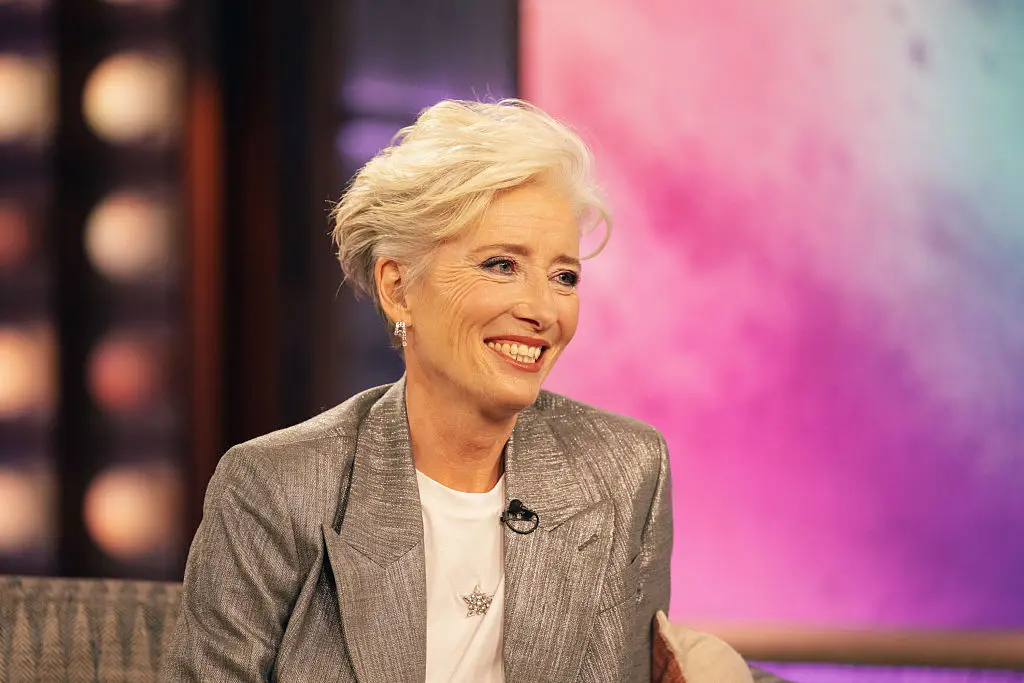
Healthy fats were part of the picture, as were two snacks to support energy levels and prevent the cycle of hunger and overeating that often derails traditional diets. Crucially, no foods were banned. Enjoyment was not just allowed, but encouraged.
Parker has been outspoken about the pitfalls of overly restrictive eating.
In her book, The Louise Parker Method: Lean For Life: The Cookbook, she explained: “I’m on a mission to stop people being organically overweight; that is, eating gluten-free, nut-free, dairy-free, paleo-friendly, chia seed-this and cacao-that things, thinking they’re doing all the right things. Instead, they’re simply getting fatter, and it’s madness.”
The ‘anti-diet’ philosophy recognises that supposedly virtuous foods can be more calorie-dense and less satisfying than the things people are told to avoid.
Thompson herself has been candid about her past experiences with dieting, and why she won’t return to it. As she once said to the Guardian: “Dieting screwed up my metabolism, and it messed with my head… I’ve fought with that multimillion-pound industry all my life, but I wish I’d had more knowledge before I started swallowing their crap. I regret ever going on one.” For her, stepping away from crash diets was as much about mental well-being as physical health.

In the foreword to Parker’s book, Thompson praised the approach for being realistic and non-punishing, saying: “I love that her method is NOT a diet – and is genuinely sustainable – so I can have my glass of wine and manage to avoid spending the rest of the week eating cheesy Wotsits. She toughens me up without driving me round the bend with kale juice and the more depressing style of sprout.”
Food was only one part of the picture. Parker’s method is built on four pillars: well-being and sleep, intelligent exercise, diet, and mental positivity. Thompson also committed to demanding resistance-training sessions, incorporating strength and ballet-inspired movements, alongside regular check-ins that focused on body composition rather than weight alone.
 Ben Williams