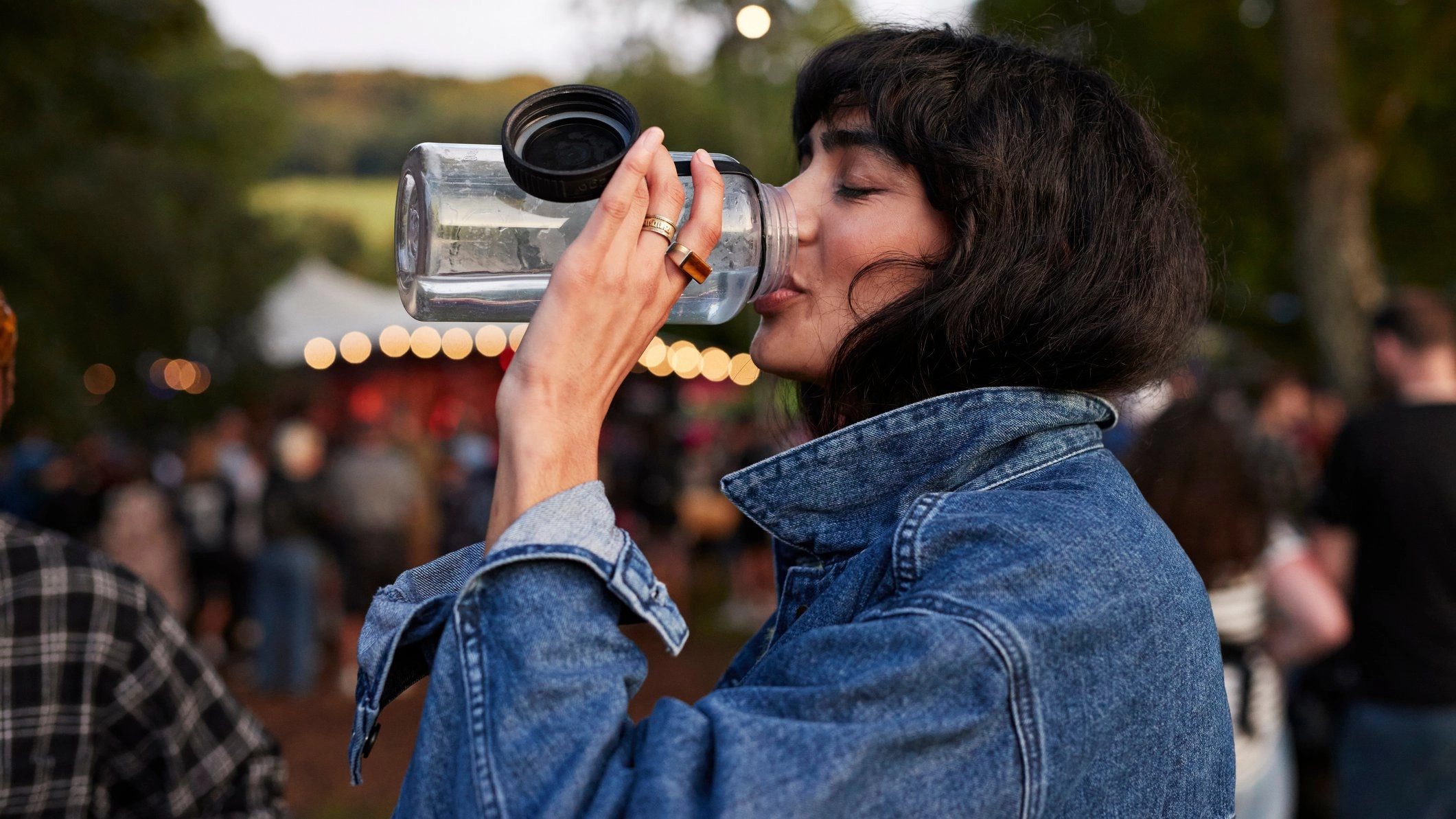
Dark truth behind ‘emotional water bottle’ trend might among young adults

Many of us have become very committed to hydration, and that’s no bad thing. Proper hydration has a positive impact on tonnes of bodily processes, helps to keep us focused, and looks after our kidneys.
The trend for keeping a water bottle close by might have psychological implications too, according to a psychotherapist.
She reckons your trusty water bottle might have an ‘emotional support’ factor.
Julie Sweet, a registered clinical counsellor from Sydney, likens water bottles to “safety blankets” and suggests that your bottle’s colour may reveal what’s going on in your grey matter.
Advert
“Emotional support water bottles have become widespread as a means for individuals to cope with their mental wellbeing and emotions,” Sweet told FEMAIL.
In psychology, attachment styles come in various forms and have an impact on how you manage conflict, insecurity and loss in your interpersonal relationships, with many believing your own attachment style is rooted in your early childhood.
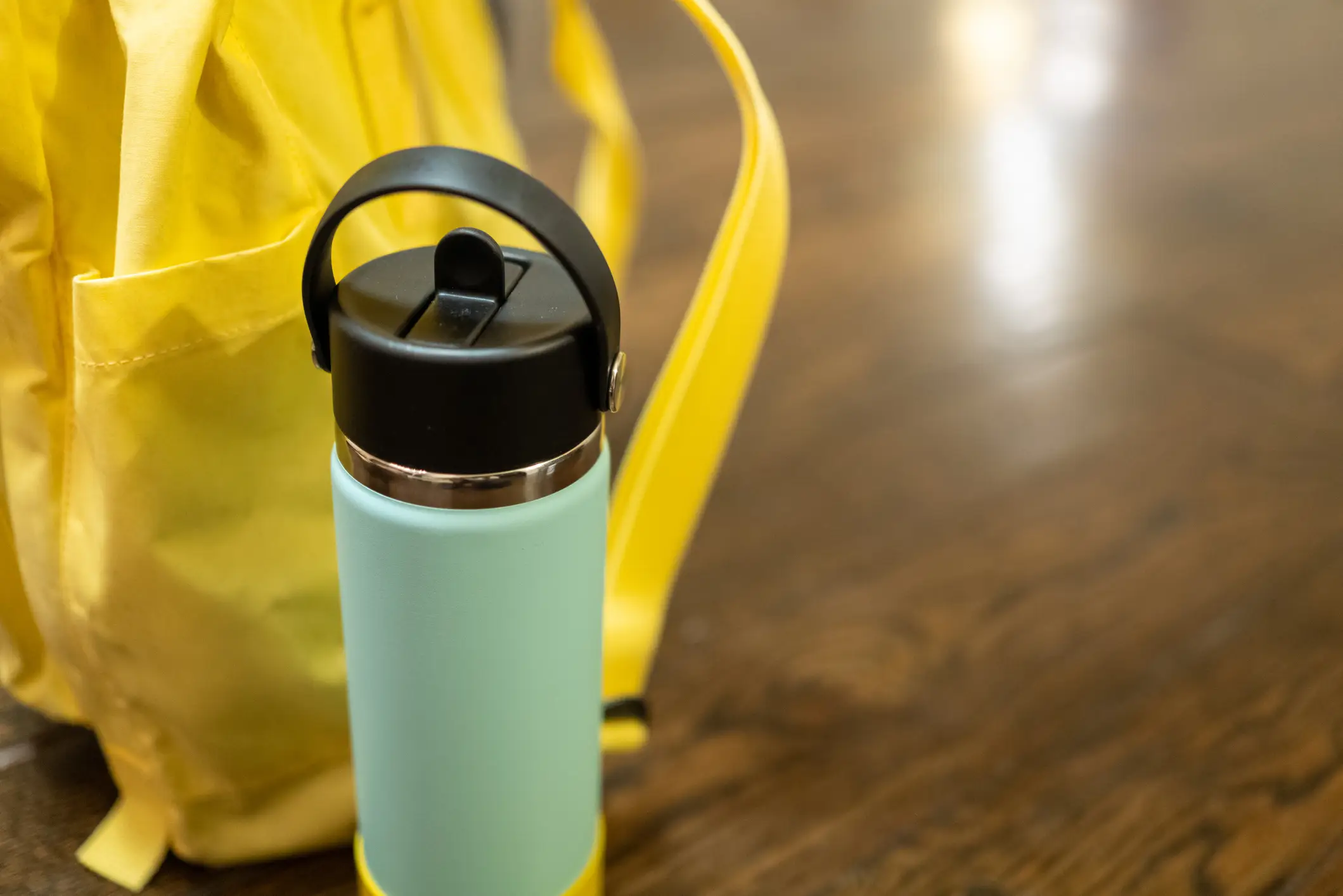
Sweet posits that emotionally secure individuals will opt for a functional and durable bottle, while those with anxious attachment styles may be drawn to popular styles and bright colours.
“Carrying the water bottle offers an anchoring sense of comfort and stability often for those dealing with stress, depression or anxiety,” she said. “Water bottles represent an individual's character and beliefs, highlighting personal traits and passions.”
She says that keeping a water bottle close by or carrying one everywhere may be a grounding technique for some hydrators: “An emotional support water bottle provides someone who is feeling anxious a soothing feeling.
“Anxiety can in some cases be traced back to an infant's attachment to the primary caregiver. Yet as adults, we can move away from the caregiver, such as a parent, to a transitional object like a water bottle.”
Drinking water can supposedly soothe your central nervous system when you’re feeling anxious, with a sense of hydration being a source of comfort.
“Australians are becoming very health conscious,” Sweet continued. “So, I think water bottles are a great staple for anyone to have.”
If you’re curious as to what your water bottle says about you, there are few factors to consider.
Stan Tatkin, a clinical psychology expert, devised some useful terms that like attachment styles to natural phenomena: anchors for secure attachment, waves for anxious attachment, and islands for avoidant attachment.
“The securely attached person looks for the emotional support water bottle as a real practical functional object,” said Sweet. “It's an extension of themselves.
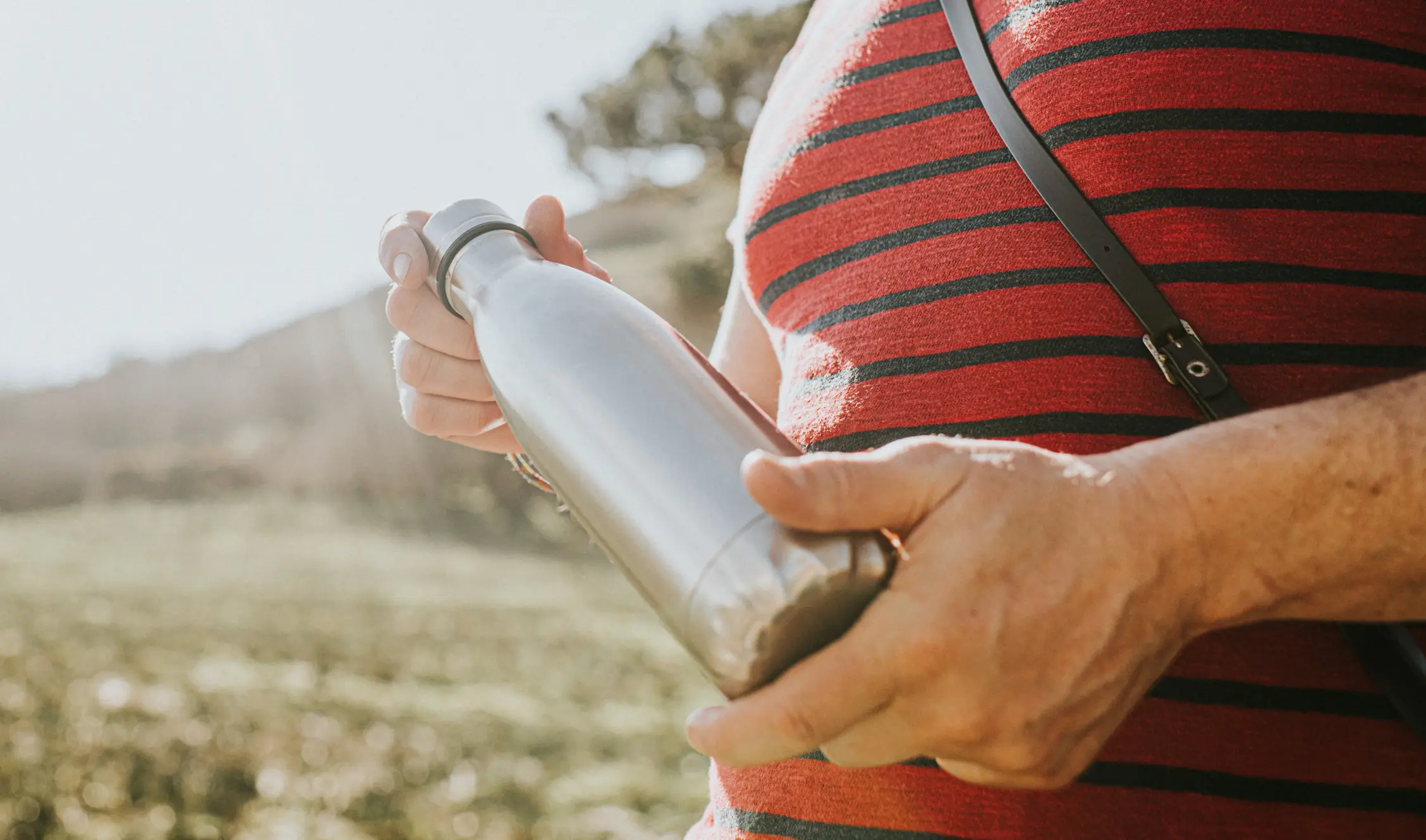
“They're confident and grounded. They don't care about the colour or sense of style, but how durable the bottle is. Is it strong? Powerful? Will it deliver what it needs to deliver? If they care about colour, it'll most likely be black or white.
“The securely attached person looks for the emotional support water bottle as a real practical functional object. It's an extension of themselves.”
Anxious people, however, “are drawn to sentimentality”.
"It's about the design, colour, and the sense of safety and security of what a water bottle represents."
She continued: “So they're looking more so at the sentimental value. Also image-wise, what's on trend, and what's popular. They can be worried about what looks good and what can support them to make them feel secure.”
For some, Sweet theorised that a misplaced water bottle during a period of high stress can make an individual feel like they’ve lost a part of themselves.
Avoidant people, however, are more likely to prefer functionality and durability.
“Avoidant people are similar to securely attached ones because they value functionality, but it is also about what is convenient for them,” she said. “They want something clean, easy, accessible.” She added that they may like pastel or light earthy tones.
Topics: Health
 Rachael Davis