51 babies have been hospitalised amid botulism outbreak linked to formula

Food recalls have a way of quietly slipping into the background noise of everyday life. For most people, they are little more than an inconvenience, prompting a check of the cupboard before moving on.
Recalls for products like Dubai-style chocolate and White Castle Sliders might be troublesome for those with certain allergies, but are only an inconvenience for most. Baby formula, however, is held to an even higher standard, as it's relied upon daily by families who assume it meets the highest possible safety standards.
In recent weeks, concerns have been growing around the handling of a nationwide recall involving a popular baby formula brand in the US. Regulators have been scrutinising not just how the product was made, but how effectively it was removed once risks became clear.
It was only after those questions began to mount that the full scale of the situation became apparent.
Advert
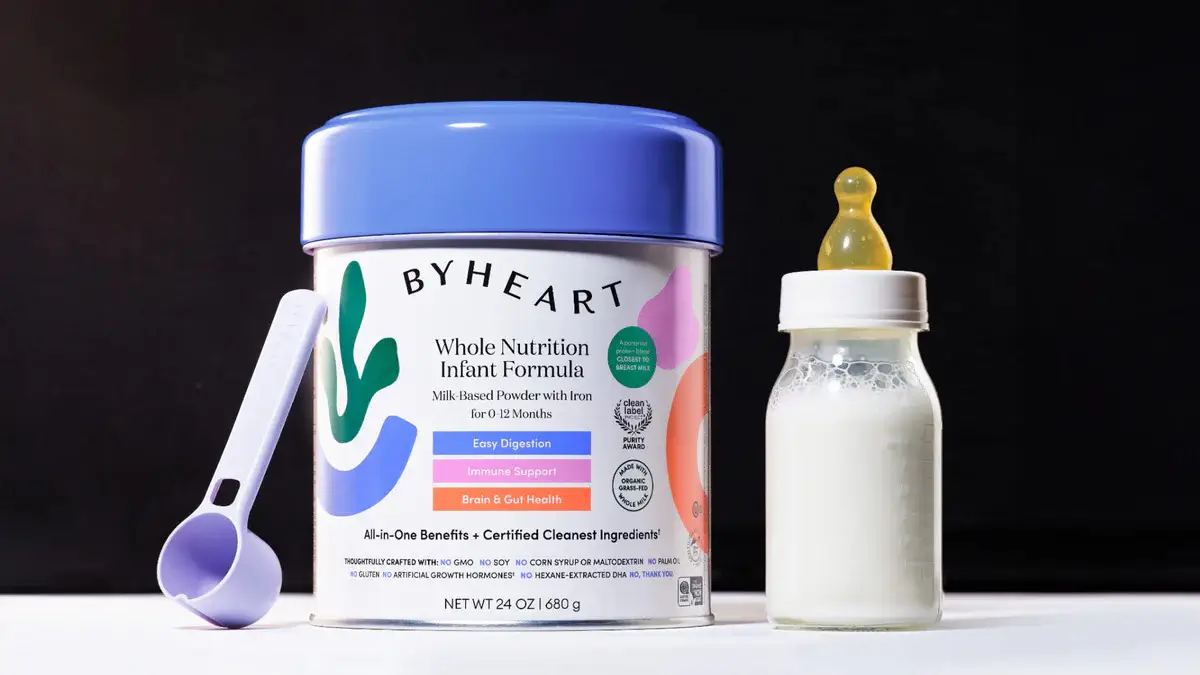
As of 10 December, a total of 51 infants across 19 states have been hospitalised in connection with a botulism outbreak linked to ByHeart Whole Nutrition Infant Formula. According to the Centers for Disease Control and Prevention, no deaths have been reported, but all cases required hospital treatment.
The recall was first announced on 8 November, after the Food and Drug Administration (FDA) said the formula had been linked to several cases of infant botulism. Three days later, on 11 November, the recall was expanded to include all ByHeart formula products, including unexpired cans and single-serve ‘anywhere pack’ sticks.
In a later update, the FDA said: “Epidemiologic and laboratory data show that ByHeart Whole Nutrition infant formula might be contaminated with Clostridium botulinum, [the bacteria that causes botulism] which is causing infant illness in multiple regions of the country.”
Botulism in infants occurs when spores grow in the gut and produce toxins, with early symptoms often including constipation, difficulty feeding, a weak or altered cry and poor head control.

Compounding the issue, the FDA sent warning letters to several major retailers, including Walmart, Target, Kroger and Albertsons, after inspectors found recalled formula still on shelves weeks after the recall had been issued. In some cases, the product was reportedly available in stores for more than three weeks after it should have been removed.
The FDA said: “These warning letters highlight a concerning problem with recall effectiveness at the retail level,” adding that recalled formula had been found in over 175 locations across 36 states during follow-up checks.
ByHeart said it had notified retail partners multiple times and urged parents and caregivers to stop using all of its formula immediately. In a statement, the company said: “The safety and well-being of every infant who uses our formula is, and always will be, our highest priority.”
The company also confirmed that third-party testing had identified Clostridium botulinum in select samples and that investigations into how the bacteria entered the supply chain are ongoing.
FOODbible has reached out to ByHeart for comment.
Topics: US Food
 Ben Williams