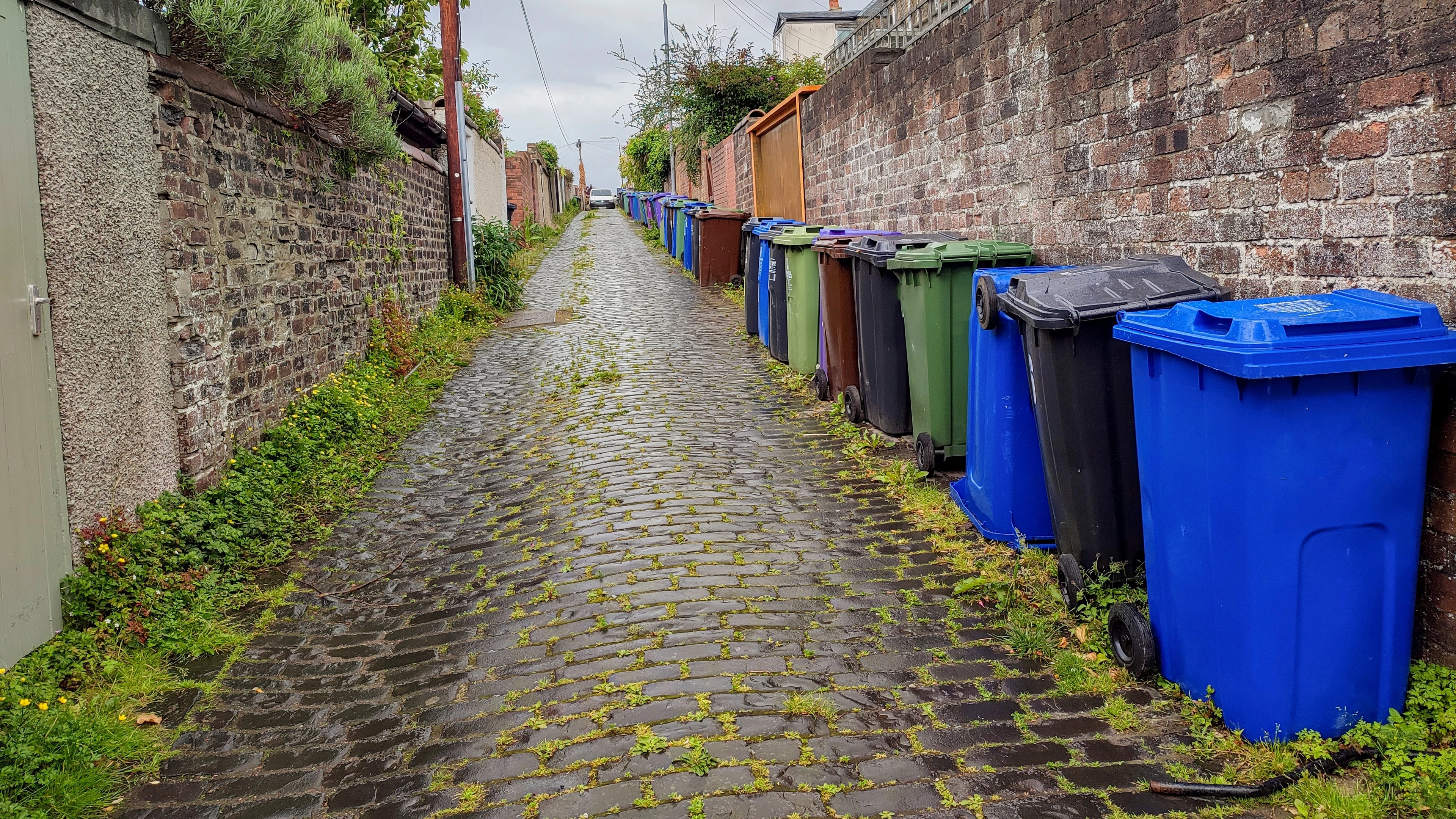
UK's new 'four bin rule' explained as it comes into effect this month

The UK Government's 'Simpler Recycling' rules are set to come into effect by the end of the month in a bid to streamline bin collections.
Have you ever stood hovering over the bin, clutching a piece of packaging trying to decipher from its endless labels whether you can recycle all, or even just part of it, or whether it should just be go straight in a black bin bag?
Yeah, me too. Thankfully though, the UK Government has revealed a new initiative for all households in England in a bid to standardise the approach to waste collection.
The 'Simpler Recycling' rules will come into effect from 31 March. Initially introduced by the Department for Environment, Food & Rural Affairs (Defra) in 2023, the drive is designed to ‘help make bin day easier, by ending the confusion of what can and can’t be recycled’.
Advert
And here's what it actually means for you when it comes to lobbing the bins out at the end of the month.
Separating waste into four groups
You'll now have to divide your waste into four different types for collection, separating your items into:
- Food and garden
- Paper and card
- All other dry recyclable materials
- Residual waste
Yes, that is a whopping four bins, not just the one, two, or however many you already have - no need to brag.
'All other dry recyclable materials' includes glass, metal and plastic - all your cartons go here too.
The UK government's website adds: "Paper and card can be co-collected with other dry recyclable materials where appropriate based on local circumstances."
'Plastic film packaging and plastic bags will need to be collected with plastic recycling too' - which includes items such as crisp packets.
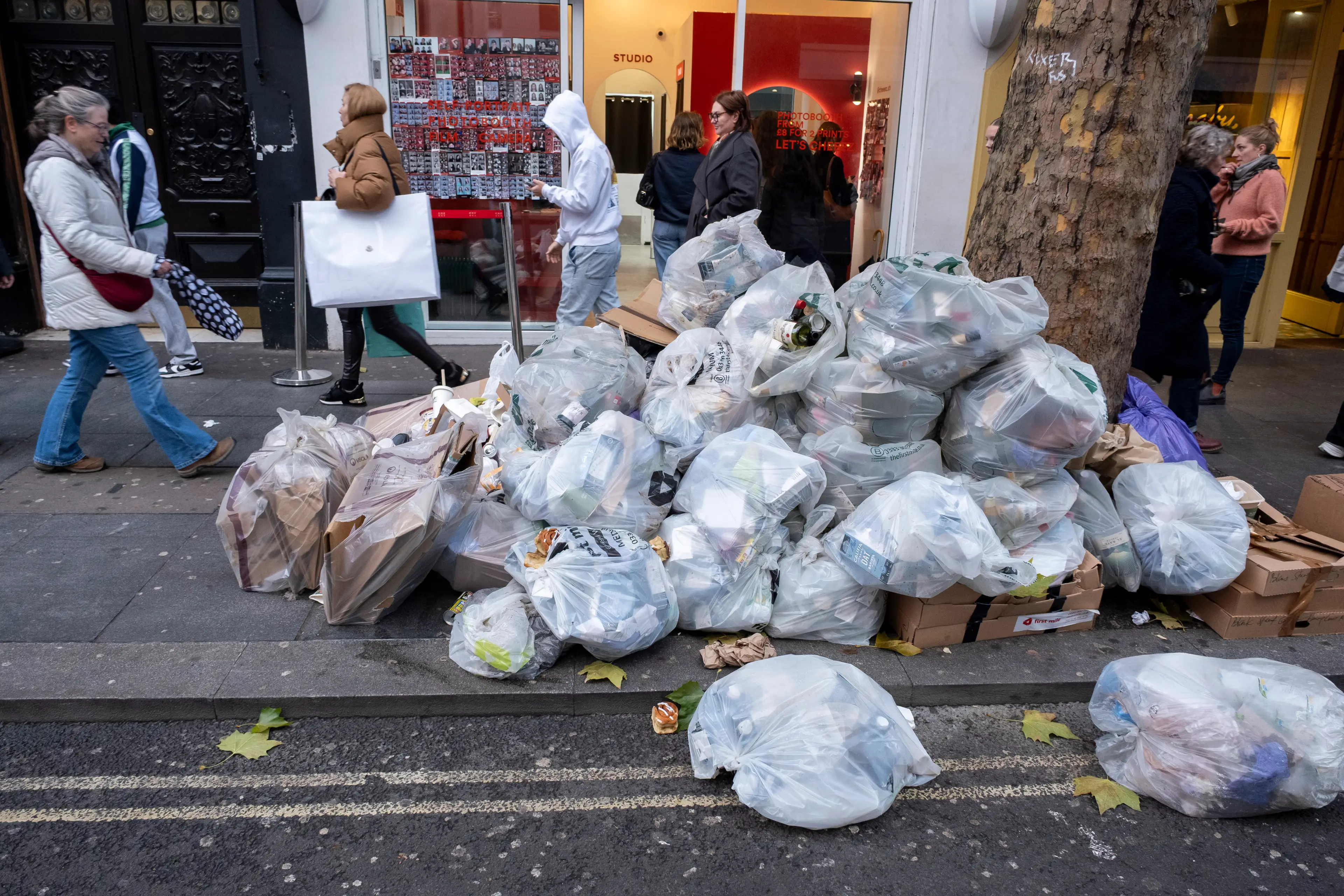
'Residual waste' includes 'non-recyclable waste that is sent for energy recovery or to landfill'.
And the government has also updated its list on items which councils 'do not need to collect'.

Which materials 'do not need to' be collected by councils
The site advises: "Local authorities should provide clear information to households about what can and cannot be recycled in each waste stream, to reduce confusion."
Included in a non-definitive list of items which do not need to be collected by councils are glass items 'not used as packaging' such as candles, mirrors, and ceramics.
Metal items such as laminated - pet food pouches I'm looking at you - and electrical items and batteries are also listed.
'Metal packaging that has contained white spirits, paints, engine oils or antifreeze,' are also on the list.
And plastic items aren't let off the hook either, 'any plastic packaging or non-packaging items labelled as ‘compostable’ or ‘biodegradable’, including coffee pods,' not required to be collected by councils.
Neither are 'food and drink cartons made of fibre-based composite' made to be collected.
And if you've got any garden waste? Well, you should be going to the skip.
But why is this change necessary?

Why the new guidance is needed
Well, while some households have already got their hands on food waste bins, others haven't.
Head of local authority support at ReLondon, Antony Buchan, told The Standard: "Simpler recycling is a great thing [...] as it means that we’ll all have access to the same recycling services."
He reflected how London specifically is 'ahead of the game as most councils already provide the right services to the majority of their residents'.
"And over the coming months, they’ll be working to address any remaining service gaps (for instance providing food waste recycling to people living in flats above shops)," he said.
It's hoped the new system will encourage households to recycle properly which can increase green energy and overall do a better job for the planet.
So if your new year's resolution this year was to be more like Greta Thunberg, good news all round eh?
Topics: UK Food
 Poppy Bilderbeck