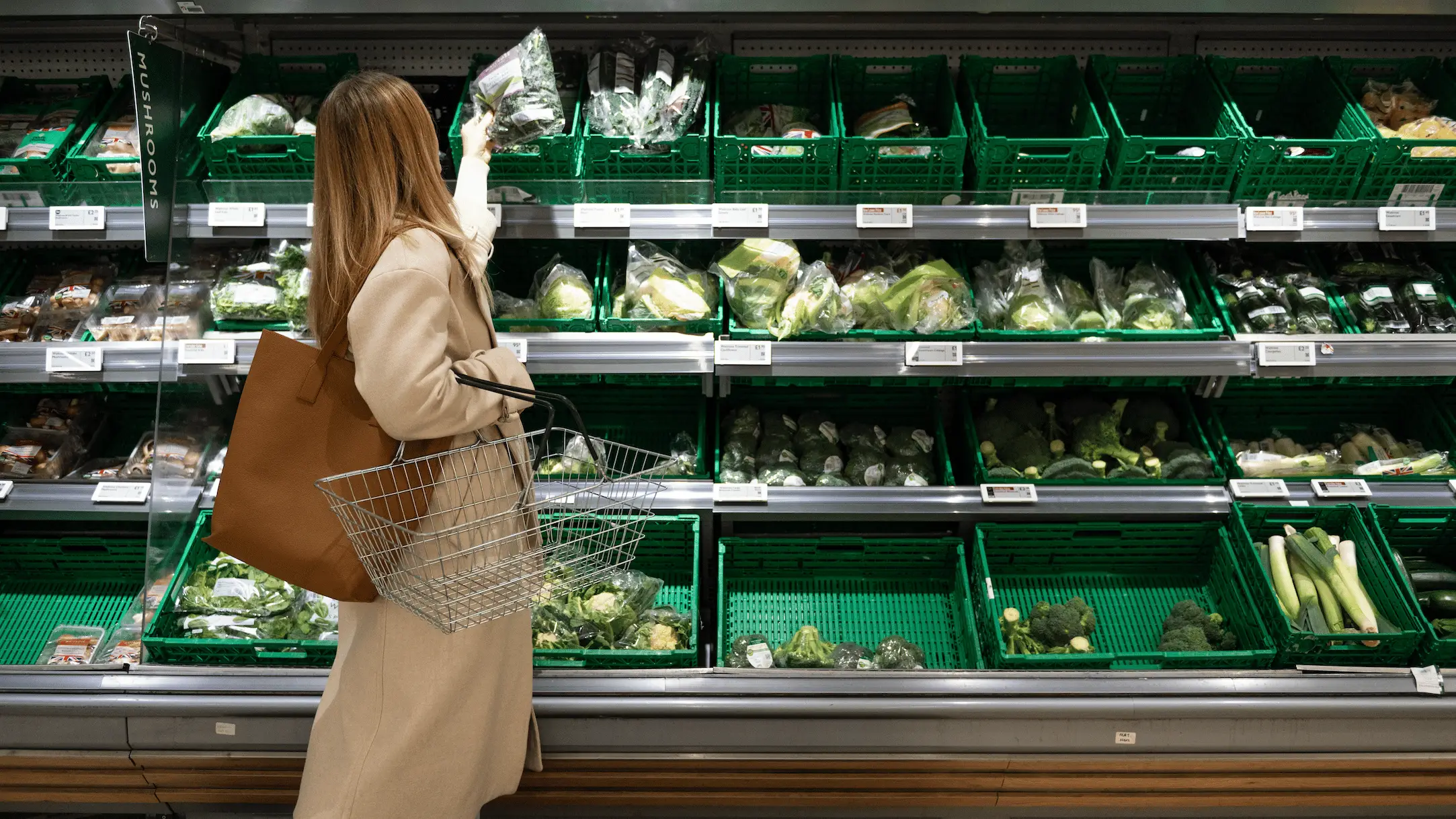
Warning to shoppers as Iran conflict drives food prices up

Fresh produce price spikes in Britain are imminent as conflict continues to rage in Iran, a farming expert has warned.
The Strait of Hormuz, a 21-mile-wide waterway through which 20 percent of the world’s oil flows, has essentially been closed since the United States and Israel began strikes on Iran.
Gas prices in the US have already risen as a result, with Costco bosses warning shipping schedules will be impacted ‘if there is instability in the region for a sustained period of time’.
While the wholesaler attempts to offset increasing prices by leveraging its Kirkland Signature brand, another price issue is unfolding, and it’s affecting both Britain and the United States.
Advert
Fertiliser is becoming difficult to obtain, with US-based farmers facing a 30 to 35 percent price increase, as per Agriculture Secretary Brooke Rollins.
As well as fertiliser, producers in both territories are having difficulty obtaining red diesel.
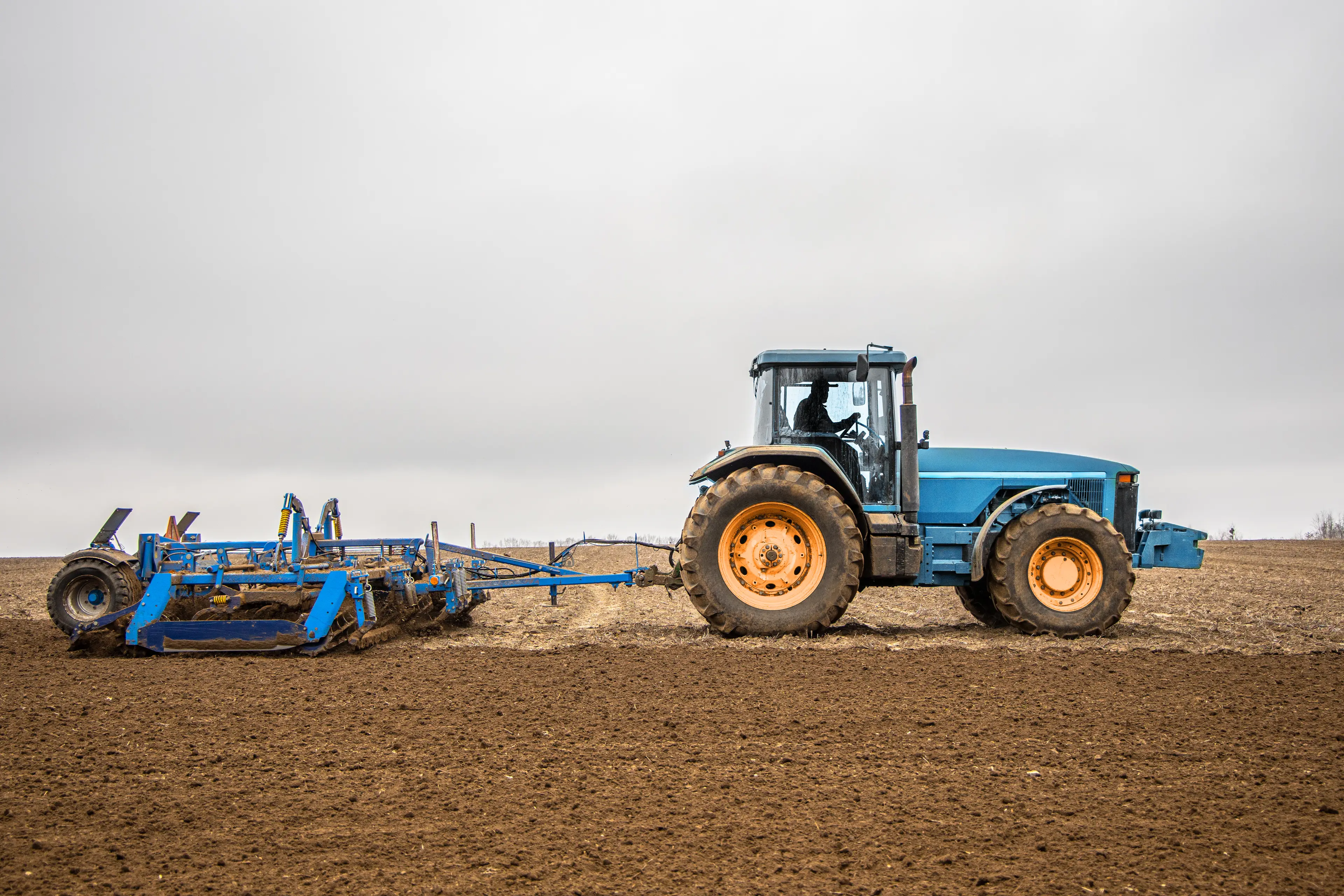
The combination of fertiliser and red diesel rocketing, as well as a jump in transport costs, will impact the price of imported food sold on supermarket shelves, warned Tom Bradshaw, president of the National Farmers’ Union (NFU) said.
“Energy is absolutely crucial at every point of the food supply chain,” he said, according to The i Paper.
“The cost of haulage is dramatically increasing. Some of it [our food] is flown in, some of it comes in on cargo ships.”
Marco Forgione, director general of the Chartered Institute of Export & International Trade, reported that food inflation is already being ‘priced in’ and that we could soon see prevalent availability issues.
“It’s everything from a loaf of bread upwards,” he stated.
“We could also see availability issues which will lead to shrinkflation as well as price increases.”
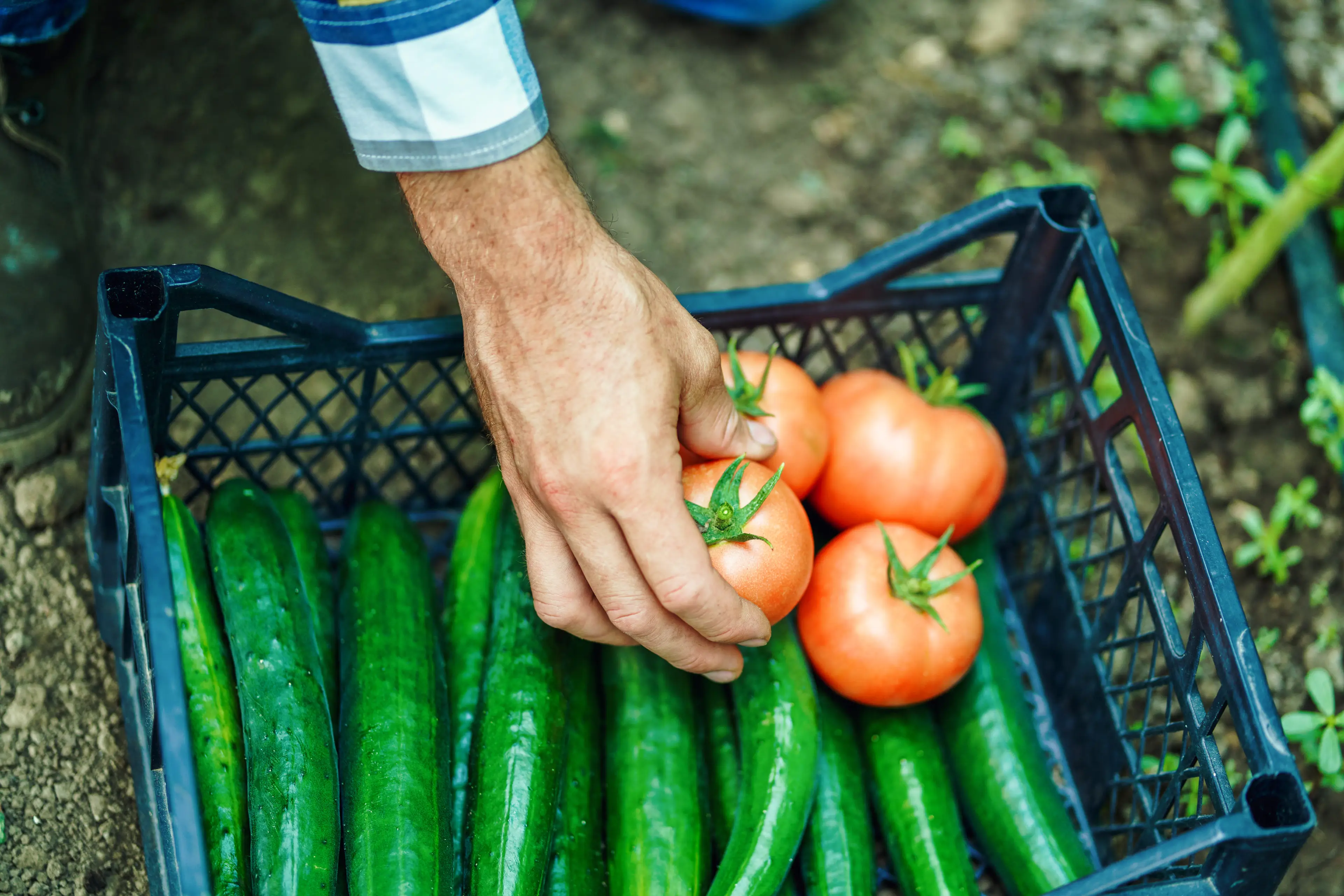
We may also see an uptick in tomato, cucumber, and pepper prices as the cost of natural gas, used to grow perishables in greenhouses, continues to increase.
“Over the next six weeks, we would see a move towards more domestic production,” Bradshaw claimed. “A lot of those businesses hedge some of their gas [meaning they buy it in advance], but they are also open to the market.
“Gas might be 30 per cent of their production cost, and if they’ve only got half of that hedged and the remaining half has doubled in price you can see the immediate inflationary impact for anything produced in a glass house.”
Over in the States, residents are likely to face steeper meat and dairy prices, starting from now and ‘accelerating for the next 6 to 12 months regardless of how quickly the war stops’, as per Forbes.
If the food manufacturing industry doesn’t recieve more support amid the conflict, then empty shelves reminiscent to those exhibited during the COVID-19 pandemic may return.
Last week, Chancellor Rachel Reeves met with petrol retailers to warn against ‘unfair practices’ amid these worrying times.
She also spoke out on the Government’s plans to set out a support package for households struggling with rising energy costs.
 Ella Scott