Beloved UK chain closing restaurants amid rising costs

A British institution that set up shop on the high street more than 15 years ago has confirmed some of its stores could shutter amid efforts to create ‘a more sustainable platform for the future’.
In the last six months, the UK has lost all but one Patty&Bun store, waved farewell to the majority of the BrewDog estate, and been forced to give up ‘healthy’ fast-food chain, Leon.
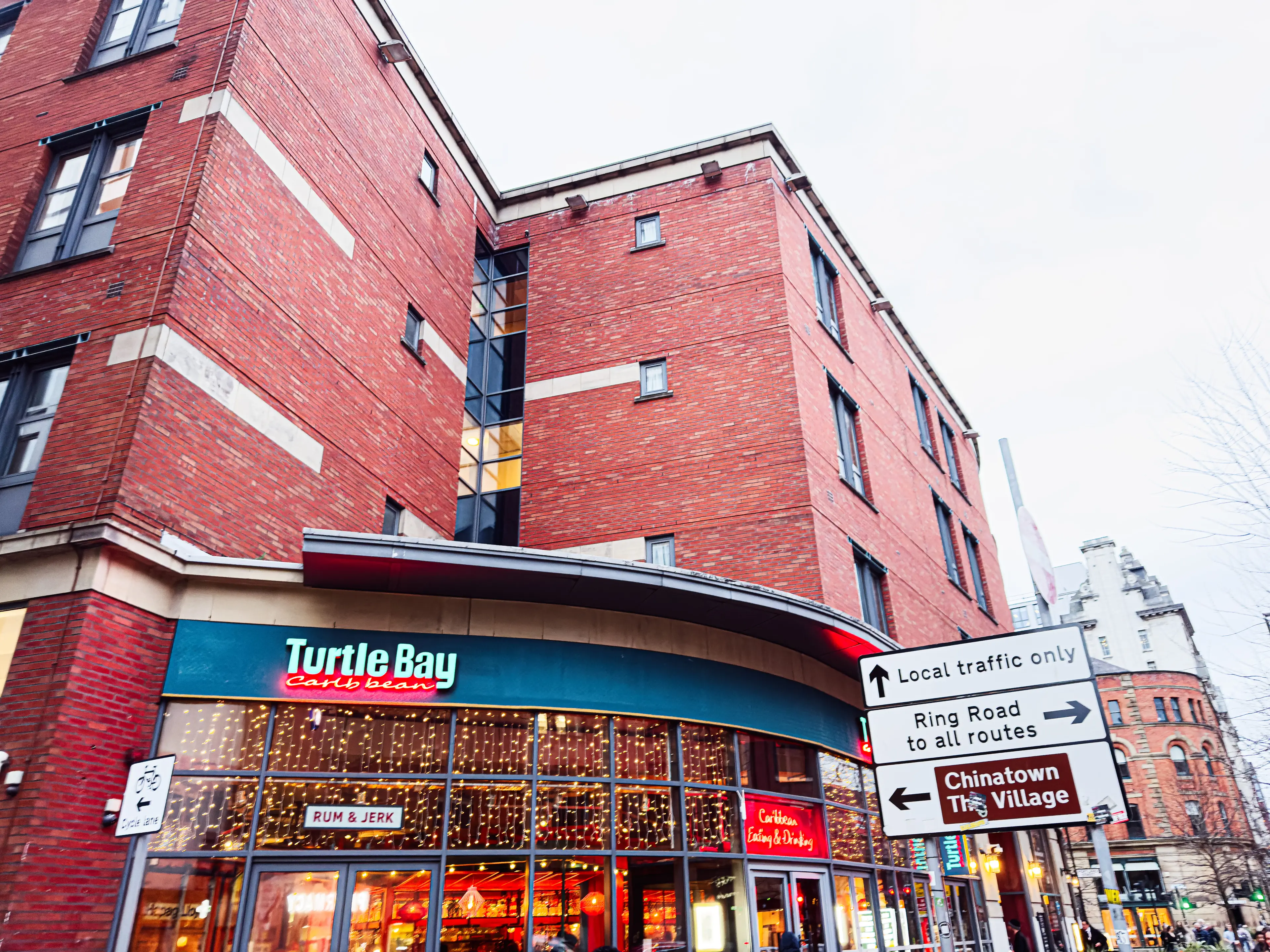
Following swiftly in the footsteps of Franco Manca is another beloved restaurant group which has around 50 branches across the country, including two in Manchester and one in the centre of Newcastle.
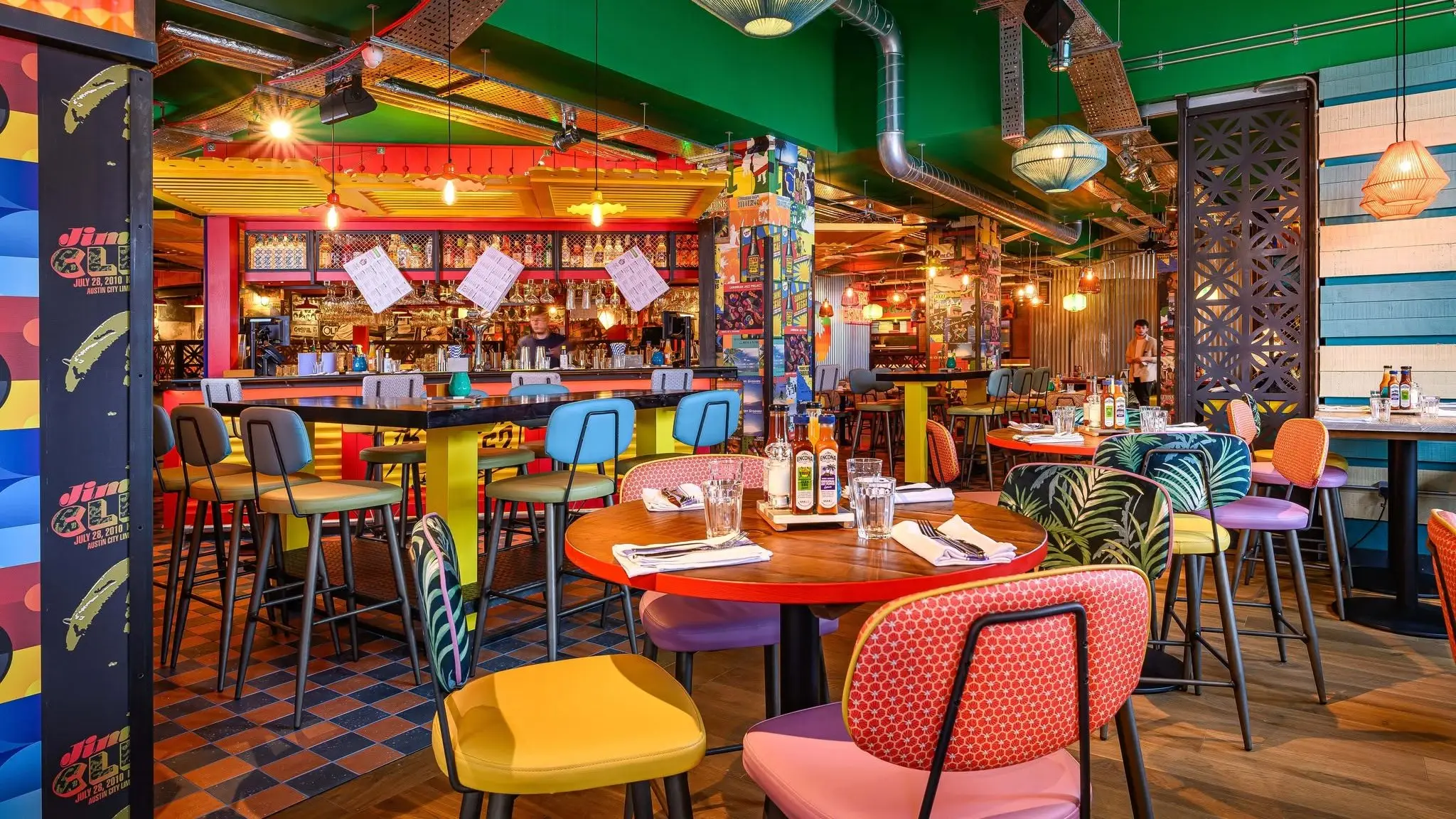
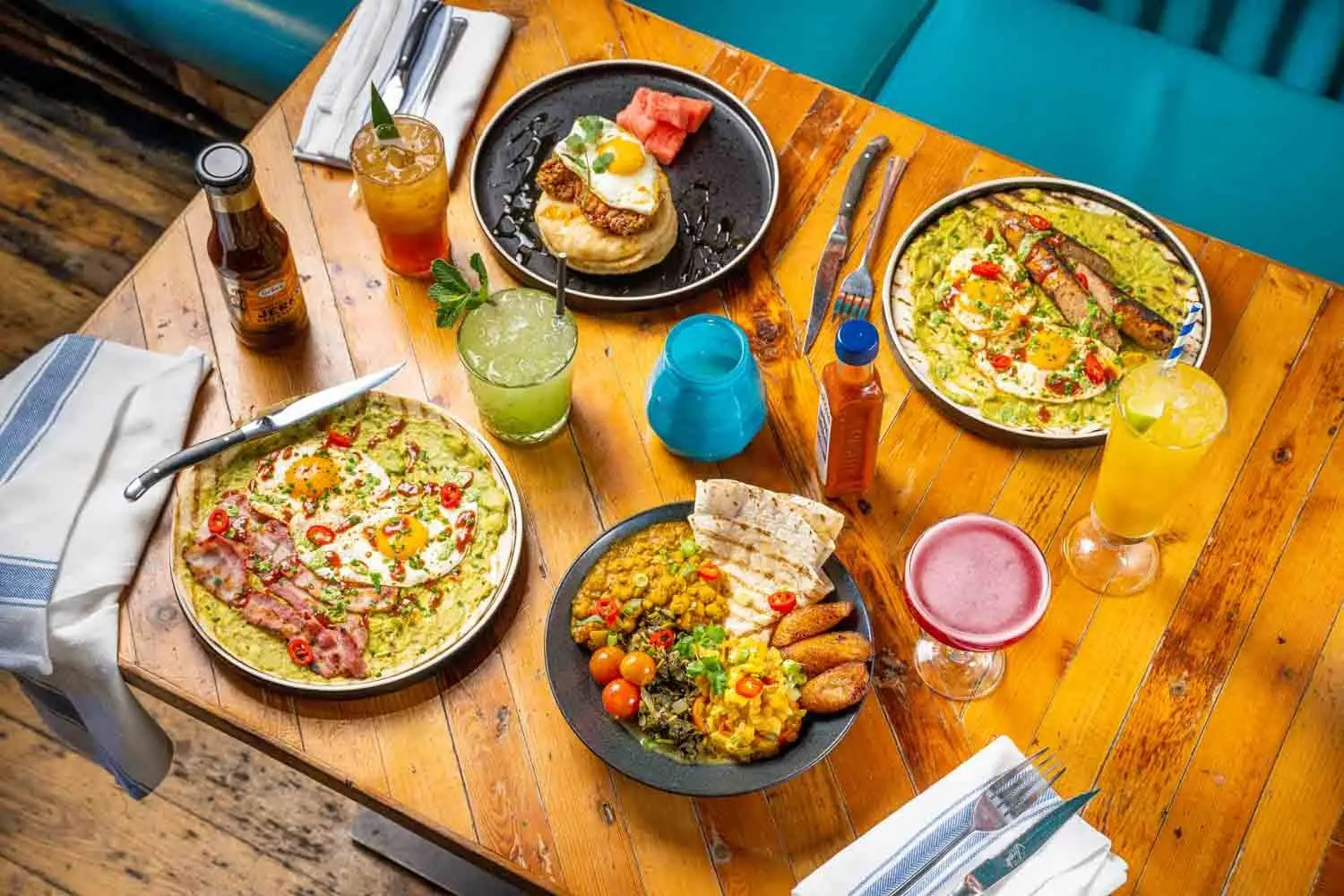
The Caribbean favourite, popular for its 2-4-1 cocktail deal and unrivalled Bottomless Brunch options, has confirmed it is proposing a Company Voluntary Arrangement (CVA).
Advert
In case you’re not in the know, CVA is a unique restructuring process that allows businesses to discuss and renegotiate debts while continuing to trade.
The process is ultimately designed to assist in the rescue of a company in financial difficulties.
The business, Turtle Bay, will use this time to renegotiate leases for up to 30 percent of its estate while still slinging small plates, jerk pit chicken, and various lunch bargains.
Sadly, the casual dining chain has already confirmed that three of its sites are on the chopping block.
If proposals are given the green light, then stores in Solihull, Walthamstow and Middlesbrough will all shutter.
News of the at-risk trio comes just months after Turtle Bay's Swansea restaurant shut its doors after almost a decade of trading.
In a statement, a spokesperson for Turtle Bay said that since founder Ajith Jayawickrema bought the business back from private equity firm Piper in May 2025, the company has improved its food and drinks offers.
What’s more, it claims to have strengthened operational standards, invested in recruitment and training and focused on enhancing the customer experience.
"As a result, we believe we now have a sustainable business at its core.
"However, like much of the UK hospitality sector, Turtle Bay continues to face significant economic headwinds."
It cited rising operating costs, price increases in food, energy, business rates, employment and recycling.
Other issues Turtle Bay claimed had impacted the business included reduced consumer spending, changing footfall patterns and legacy property commitments.
Gareth Slater, managing director at Interpath, overseeing the process, added: “The casual dining sector has faced a number of challenges in recent years and Turtle Bay has not been immune to these.”
FOODbible has contacted Turtle Bay for comment.
Topics: UK Food, Restaurants and bars
 Ella Scott