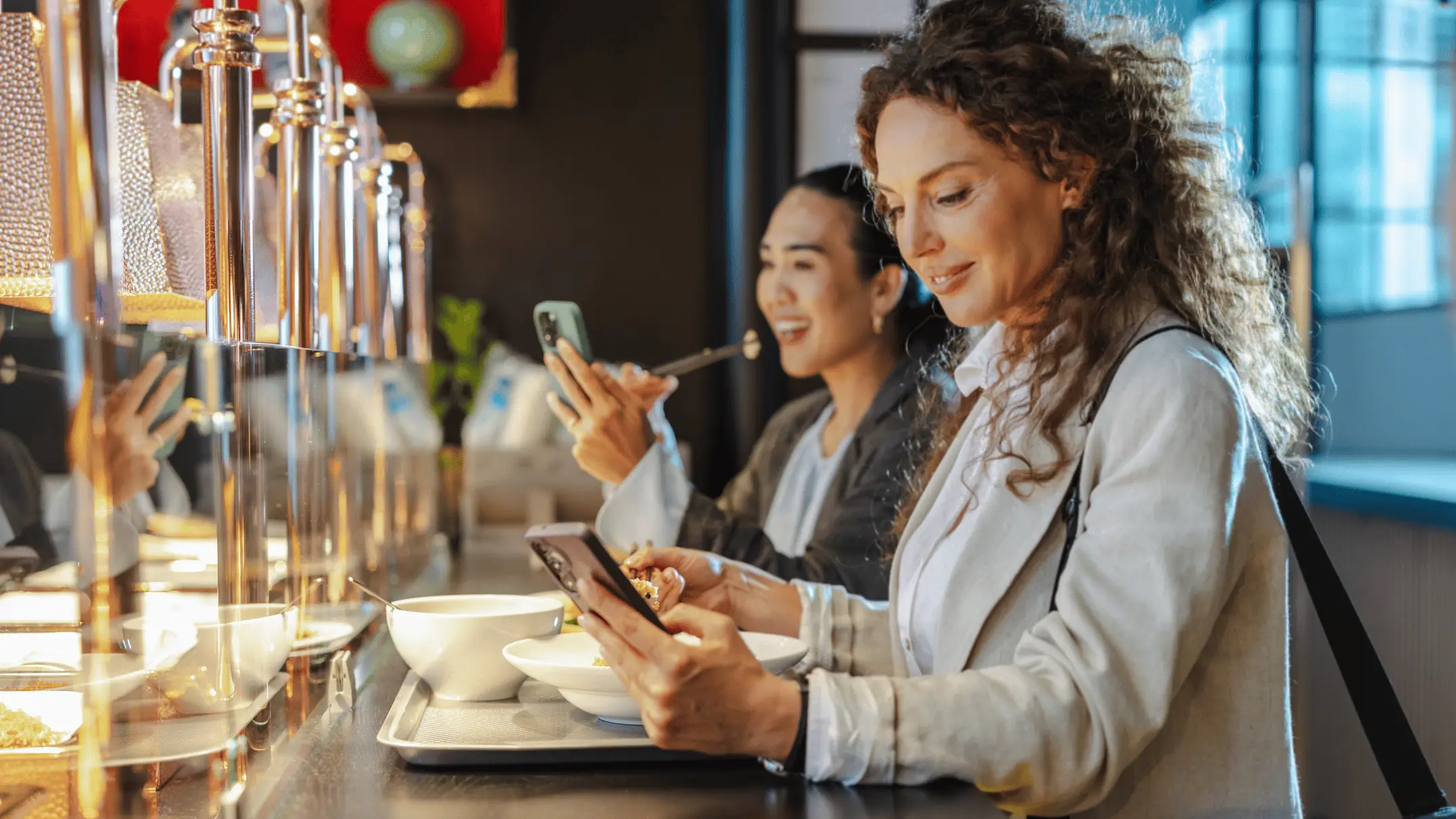
'Phubbing' trend in cafes, bars and restaurants is leaving staff angry

Hospitality business owners have expressed how ‘incredibly rude’ they find it when customers continue their ‘phubbing’ habit while ordering and dining in their establishments.
The average person receives around 146 notifications every day, which works out at one every ten minutes, according to a study published by musicMagpie.
Whether it be messages from friends you’re meeting up with later, tasty takeaway deals, or just information about who liked your latest TikTok, it’s so easy to become wrapped up in your mobile.
However, with a mean phone screen time sitting at around five hours per day, you may have been guilty of ‘phubbing’ your loved ones and even bakery workers in the past.
What is phubbing?
In May 2025, a study published by Computers in Human Behavior Reports defined phubbing as ‘being absorbed in one's smartphone while in the presence of others and neglecting interpersonal communication’.
Advert
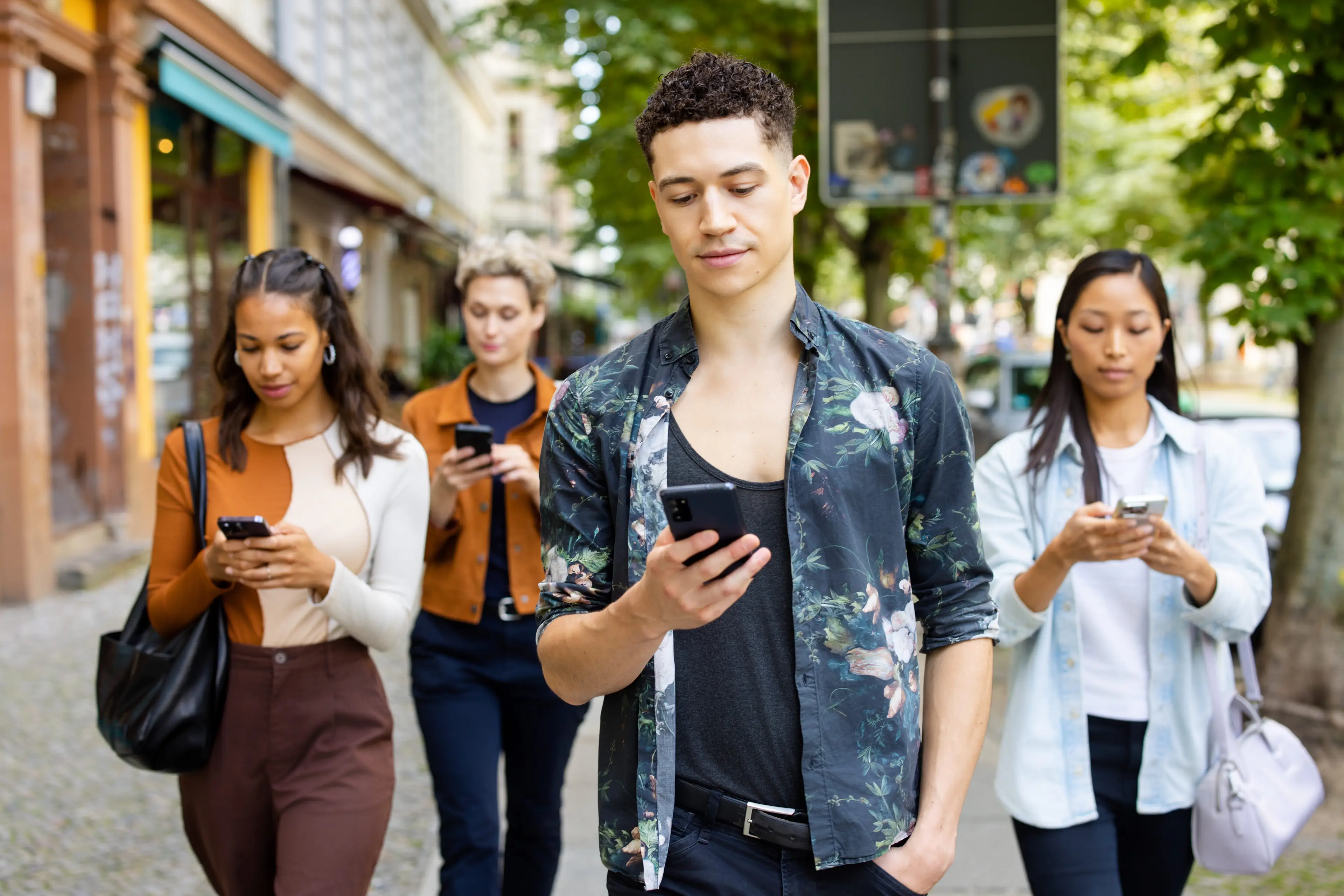
Various studies have highlighted that ignoring the world around you to hone in on your cellular device may damage relationship quality and satisfaction.
The temptation to pull out your device in social settings may also damage the self-esteem of the person you are talking to and perhaps spark overwhelming resentment, as per Psychology Today.
As well as impacting your romantic and platonic partners, phubbing can negatively affect café, bar, and business owners.
What do business owners think of phubbing trend?
According to Rouz G Habibi, the owner of Acton Vale’s More Munchies, many of his customers are guilty of entering into his establishment on their phones.
“They walk in on their phones, order on their phones, sit down on their phones. They don’t even look up when you’re serving them. I find it very rude and, honestly, quite sad,” he told SumUp.
Beverly Botha, who runs The Travelling Cupcake in Hampshire, has agreed that it is ‘incredibly rude’ for people to favour their phones over customer service assistance, but that the phenomenon has become ‘more and more common’.
“As a business owner, I really do understand,” she explained to Metro.
‘I have to be on my phone so much, so I do get it. But if I’m speaking to a human being in front of me, I always try and make a point of not being on my phone.”
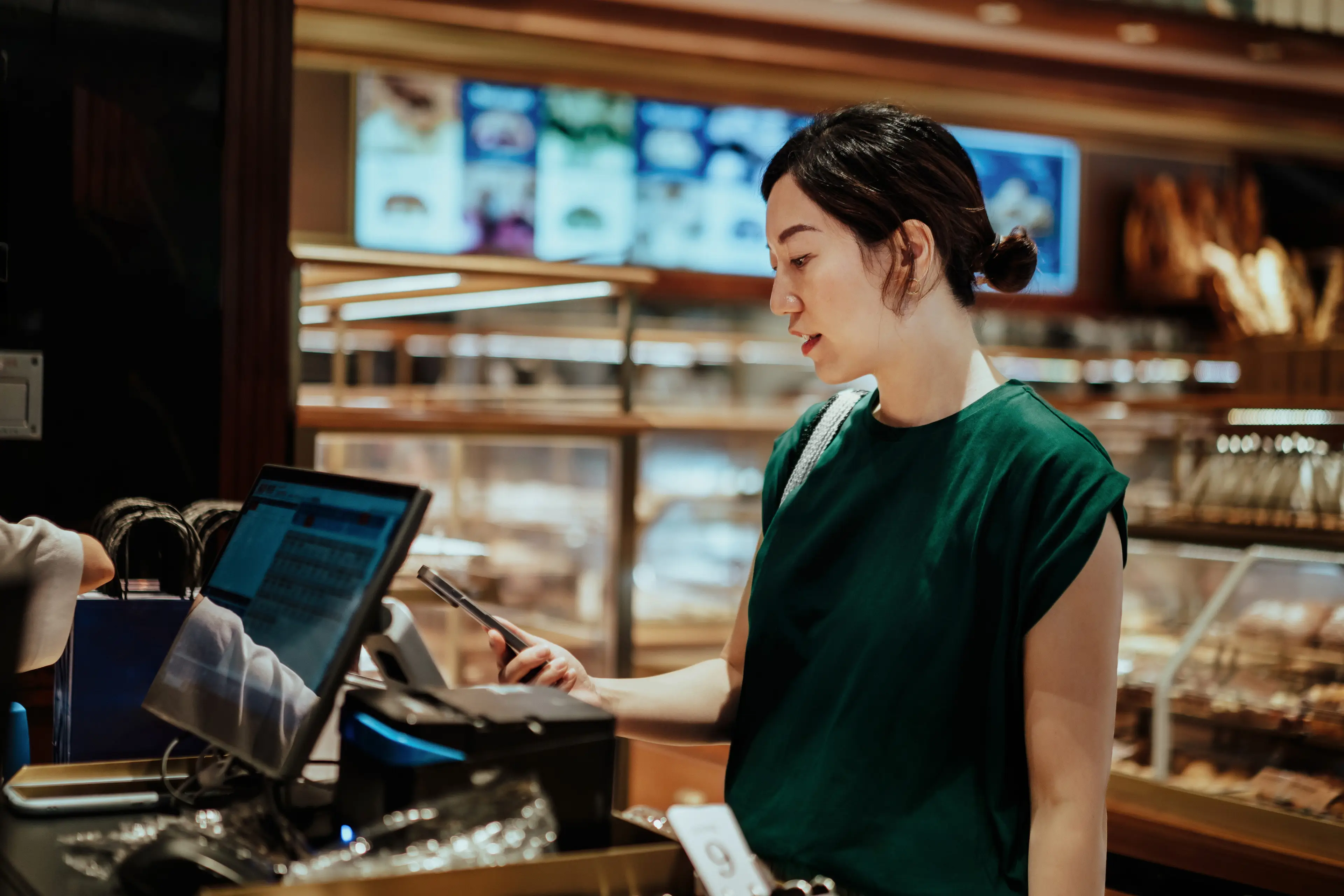
Last year, research published in the Consumer Behavior in Tourism and Hospitality journal found that phubbing ‘negatively impacts consumers’ dining experiences’.
“The effect is mediated by social exclusion and mood, and mood in particular is a strong mediator,” the paper stated.
How to fix phubbing - expert advice
If you’re guilty of phubbing, then there are some easy ‘hacks’ you can employ to stop mindlessly scrolling in establishments and in front of hospitality staff.
Dr Kaitlyn Regehr, Associate Professor at University College London, explained to BBC Women’s Hour that if you’re busy and something is happening on your phone, you should tell the person why you’re looking at it.
The professional reasoned that by saying out loud that you’re having a work crisis or that you need to reply urgently to your mother, it ‘stops the other person feeling ignored’.
"And it keeps you accountable, because you're less likely to drift into other apps or endless scrolling,” Dr Regehr added.

Relationship experts at The Attachment Project said you can also implement the idea of ‘phone-free zones’.
This may be from the moment you step through the door of your local coffee spot, or during a solo dinner in your favourite restaurant.
Anyone who is easily distracted by notifications popping up on their iPhones and Android devices may also benefit from Do Not Disturb mode.
“Smartphones make us feel like we owe people constant access to our attention, time, and energy,” Dr Lindsay Haston, a Pennsylvania-based psychologist, told Apartment Therapy.
“You gain a higher state of self-awareness because you’re giving your thoughts the attention they deserve.”
Topics: News, Health, Restaurants and bars
 Ella Scott