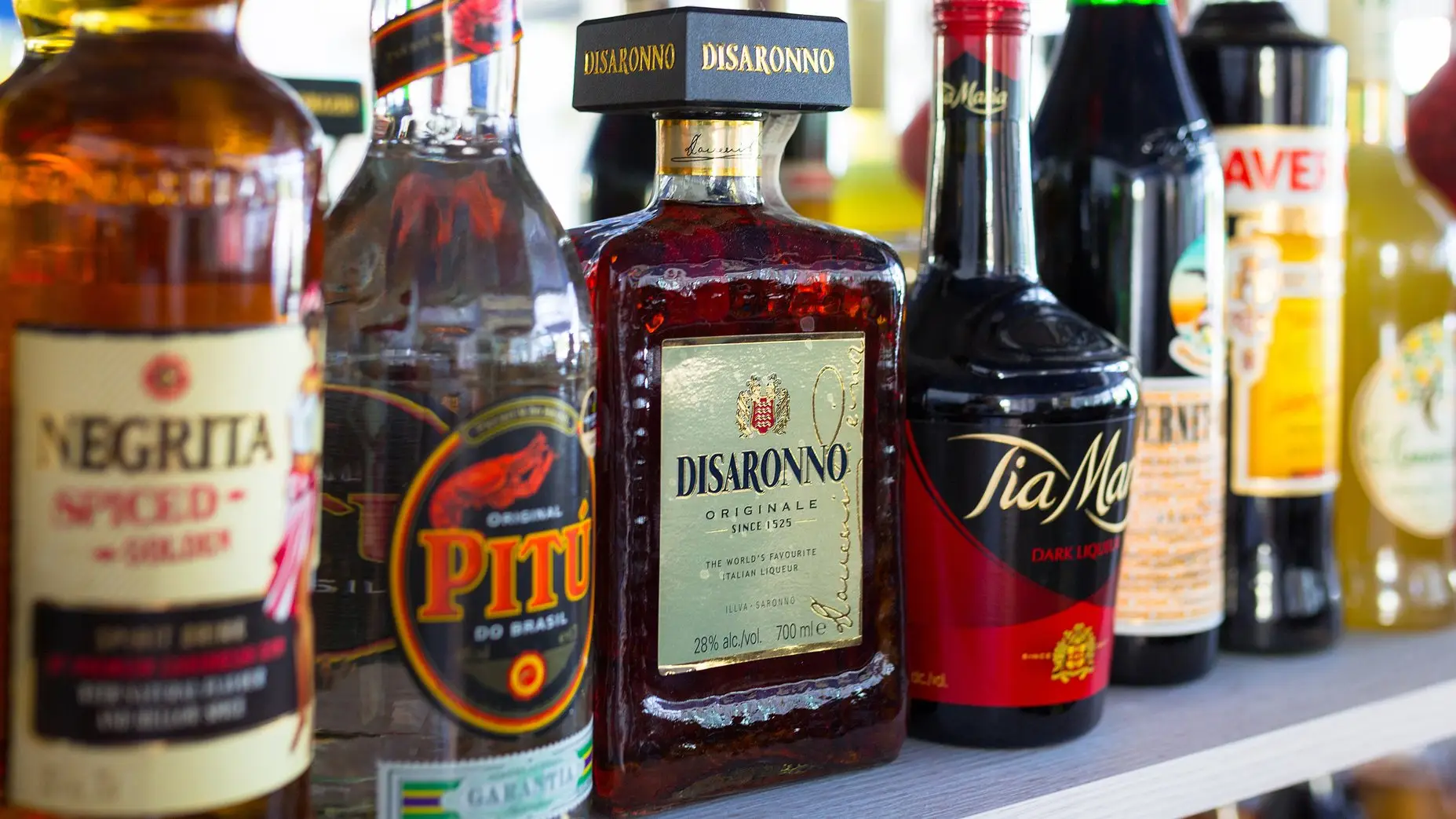
Bottles of Disaronno urgently recalled over fears they're 'unsafe' to drink

There’s something about a bottle of Disaronno that feels reassuringly familiar: from the square, oversized cap and angular bottle, to the marzipan-sweet aroma that instantly calls to mind festive cocktails, amaretto sours, and after-dinner drinks poured a little too generously.
It’s a staple of home bars across the UK, especially this time of year, with all manner of spirits hitting festive liqueur shelves.
That’s exactly why any suggestion of something being amiss has caused more than a few raised eyebrows.
Food and drink recalls are nothing new, especially during the busiest shopping period of the year, but when it’s a well-known spirit rather than a supermarket own-brand ready meal, people tend to pay closer attention.
Advert
In recent weeks, a number of recalls have already been issued across the food and drink industry, ranging from allergen labelling issues to unexpected contamination. Most pass by quietly, noticed only by those directly affected. Others, however, stand out simply because of the product involved.
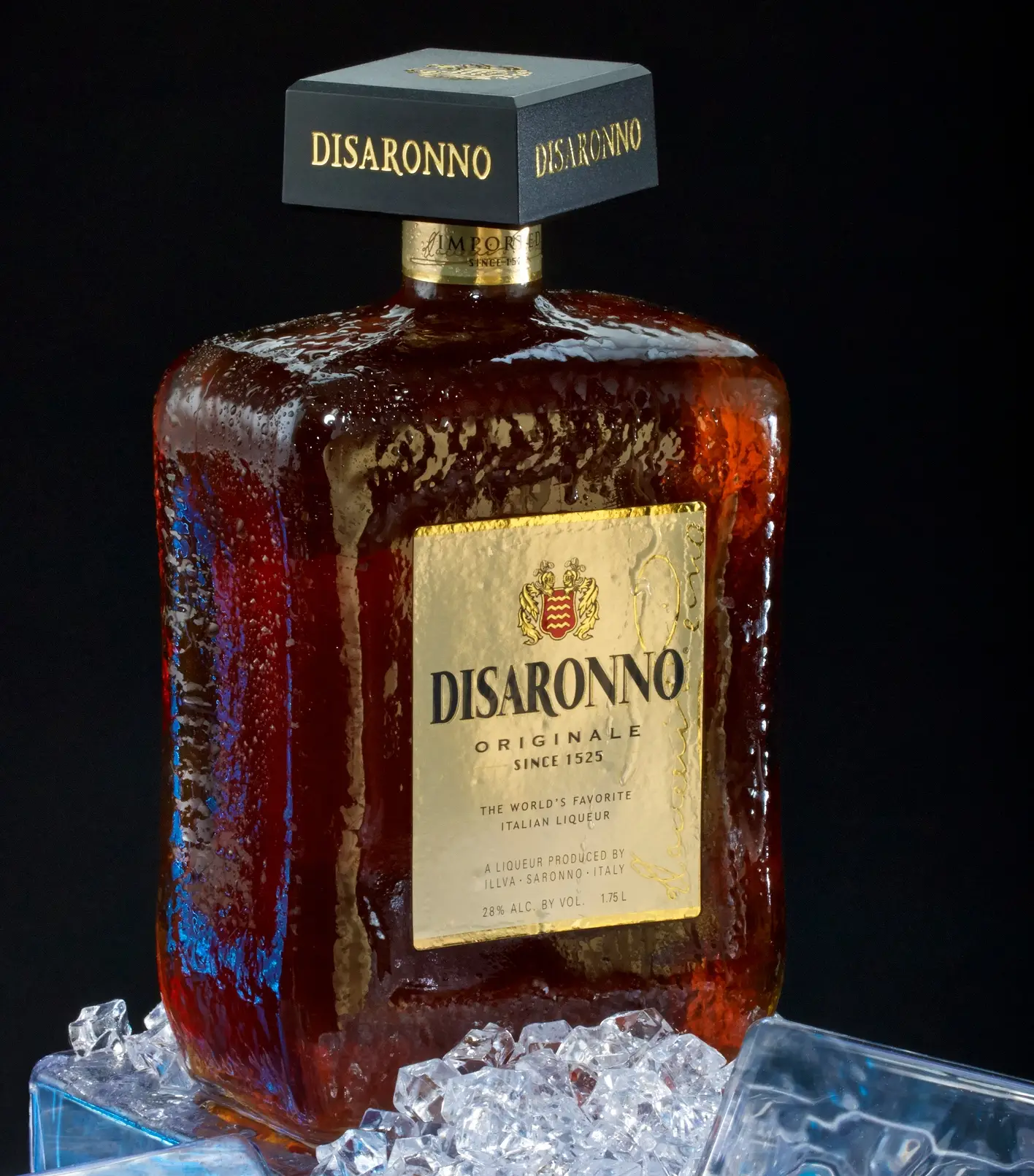
Disaronno is one of those brands. Sold widely across the country and often given as a gift, it’s not something many consumers would expect to see linked to a safety notice. Yet shoppers have been urged to check their cupboards and drinks cabinets carefully, particularly if they’ve picked up a bottle recently.
The Food Standards Agency has confirmed that bottles of Disaronno Originale have been recalled after concerns were raised about contamination.
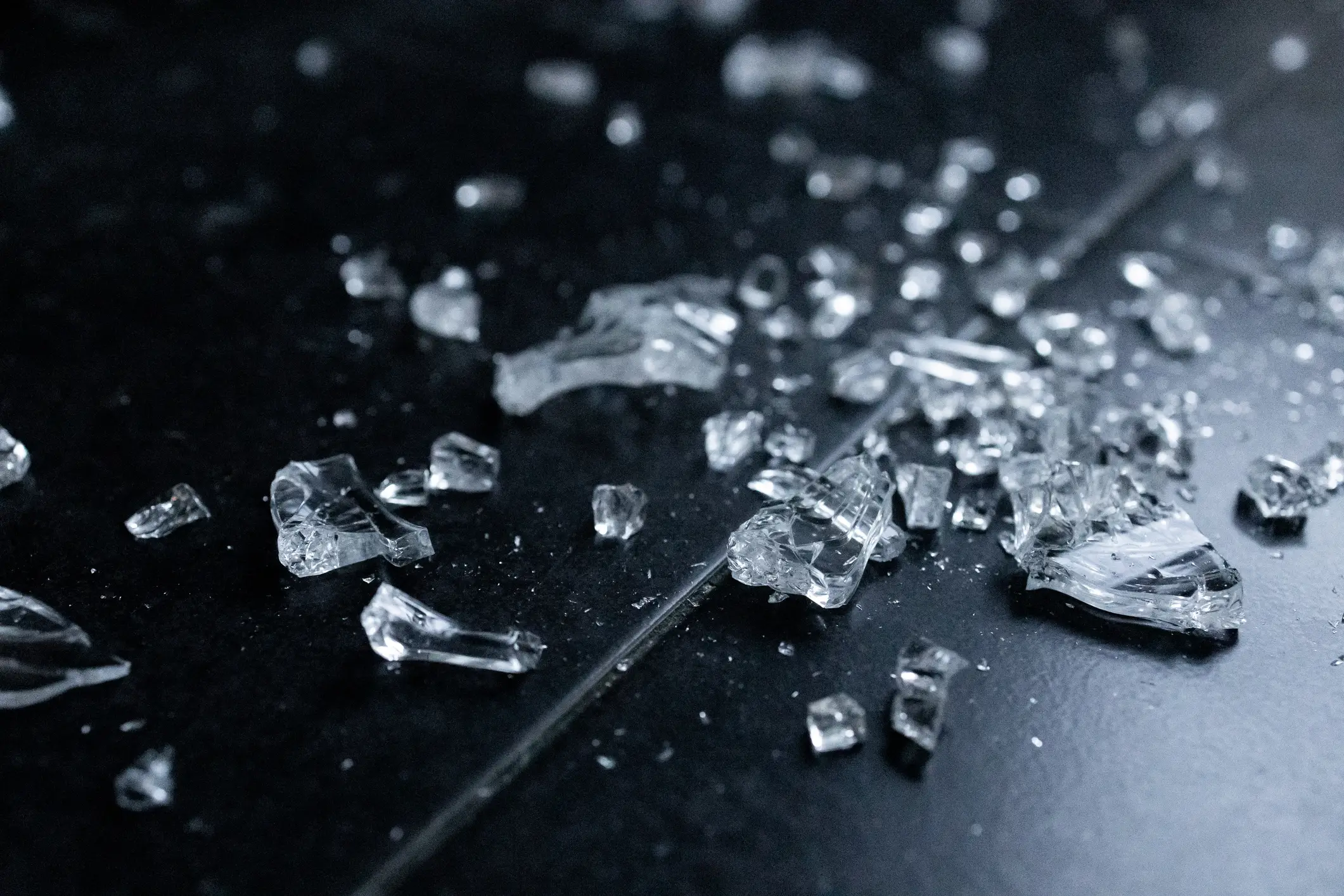
In a notice published online, the FSA said Illva Saronno, the brand’s parent company, was recalling the product because of ‘the possible presence of small pieces of glass within some bottles of product, which could make it unsafe to drink’.
The recall applies specifically to 700ml bottles sold in England and Scotland, with seven batch codes identified as potentially affected. These codes are printed on the back of the bottle and include 25374, 25375, 25381, 25382, 25435, 25442, and 25444.
According to the recall notice, the issue is believed to have occurred due to an ‘anomaly on the bottle line’, raising the risk that fragments of glass may have entered some bottles during production.
Customers who have purchased a bottle with one of the affected codes are being advised not to consume it.
Recall notices are now being displayed at points of sale, outlining what customers should do next. In most cases, this involves returning the product to the retailer for a refund or replacement.
The same recall has also been issued in the Republic of Ireland, covering the identical product and citing the same safety concerns.
While incidents like this are relatively rare, the FSA regularly reminds consumers to take recall notices seriously, particularly when there is a risk of physical contamination.
 Ben Williams