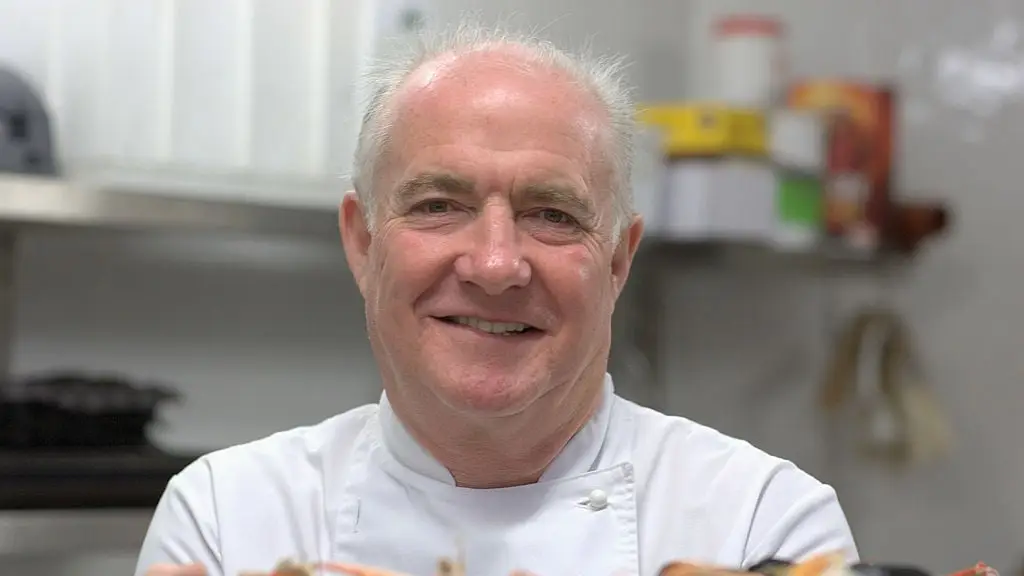
Rick Stein opens up about being 'traumatized' by abattoir job

Rick Stein has spent decades inspiring home cooks to chase the flavours of distant coastlines, but the journeys that shaped him were not always carefree.
Long before the celebrity chef’s restaurants, books, and TV shows, he was simply a teenager trying to make sense of the world. Travel, he says, offered a kind of escape, a physical and emotional reset.
After a turbulent period in his youth, he packed a small bag and went as far as his money and resolve would take him, drifting from town to town in search of what he once called ‘getting away from it all’.
Australia was where he eventually settled for a time, drawn not by its surf icons or bright cities but by the quiet of inland Queensland.
Advert
Roma, a small outpost hours from anywhere, became his temporary refuge. It was remote, unfamiliar, and, in its own way, comforting. Still, like any young traveller without a plan, he soon needed work.
That need led him into a job that would mark him for life.
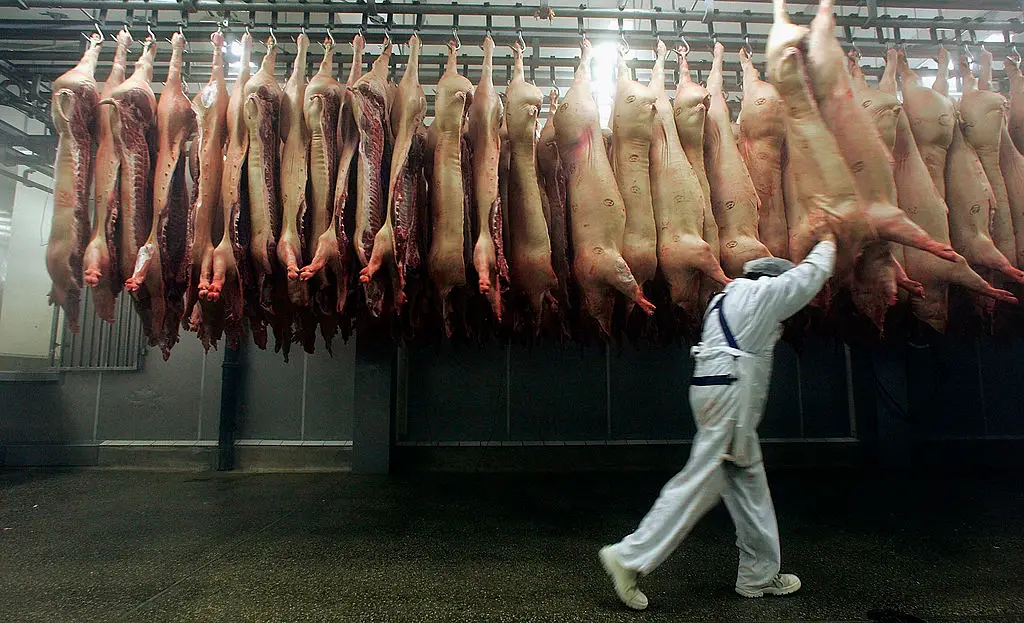
Stein ended up employed at a local abattoir, a workplace he believed he could manage. In his autobiographical article in The Times, Stein recalled: “Even though I was a young lad, I wasn’t squeamish and assumed I’d be able to hold my own with the rugged, much older guys who worked there.” The reality struck with a force he wasn’t prepared for.
He added: “The reality left me traumatized — the reality of killing animals to eat. I don’t want to go into detail, but this was the mid-1960s and the process was quite basic.”
For a future chef, the contradiction was profound. He remembered finding the work unbearable, yet it didn't put him off meat altogether.
"Looking back, what seems strange is that even though the job horrified me, I loved cooking and would still go into the abattoir shop to buy my steak," he admitted.
Those long days hardened him, certainly, but they also sharpened his understanding of food’s origins.
This is something that would later define his cooking. It was an experience he carried quietly, informing the way he thought about ingredients, producers, and the unseen labour that comes before a dish ever reaches a kitchen.
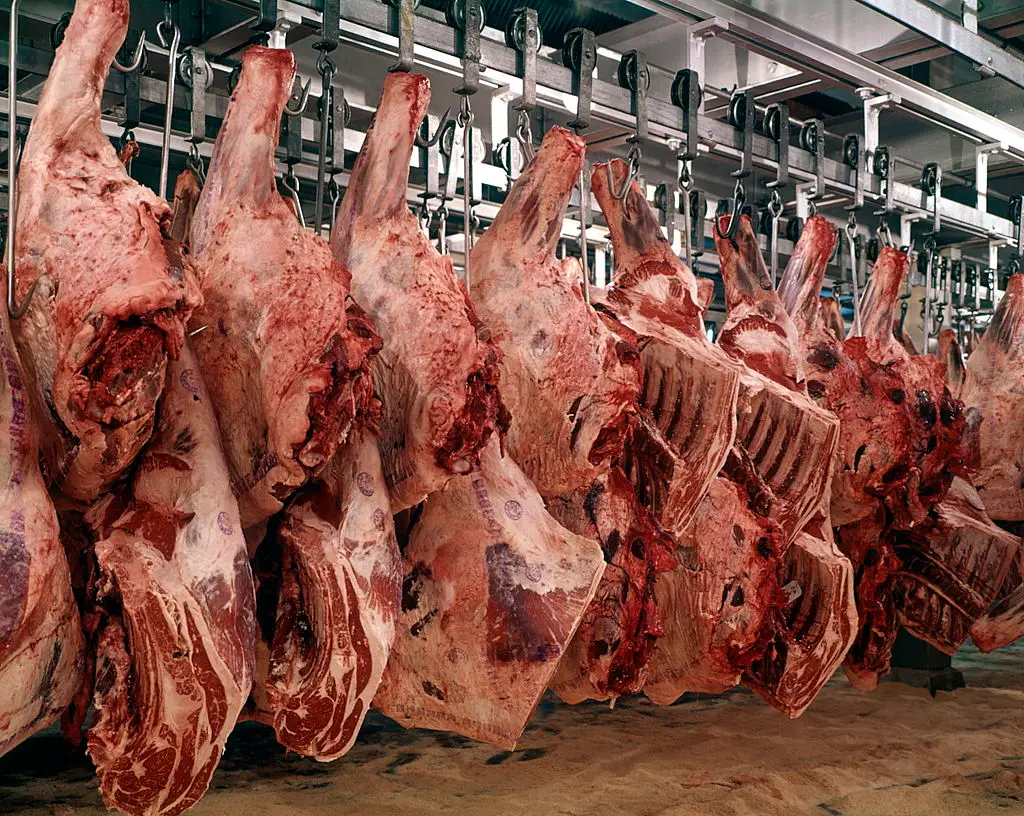
Stein’s broader travels took him across New Zealand, America, and Mexico. Hitchhiking through the borderlands, he discovered hospitality in unexpected places and an entirely new world of heat, spice, and rhythm.
Cowboy bars, ice-cold beer, tequila, and plates of enchiladas, tamales and tortillas taught him that food could be both humble and transcendent. What stood out to him most was the generosity: strangers who misunderstood his hitchhiking as a sign of poverty, including one woman and her daughter who handed him money for a bus fare. It was a side of the world he hadn’t known he needed.
Not all of it was idyllic. While sleeping on the beach in Acapulco with two fellow English travellers, their bags were stolen. They only discovered later that their luck had held in a way they never realised at the time; had they woken during the robbery, the consequences might have been far worse.
Experiences like that carved a new kind of resilience into him, a sense of perspective that made navigating life’s later pressures feel somehow more doable.
Topics: Celebrity
 Ben Williams