
Kendra Wilkinson shares insight to eating out while on GLP-1 medication

Kendra Wilkinson is letting fans in on the reality of GLP-1 medications and how the drugs can impact how much food and drink she can consume in a single sitting.
The celebrity real estate broker, 40, started using weight-loss drugs in early April, claiming there was ‘nothing worse than being in the gym every single day, working out, and not seeing any progress’.
"I hit 40. I'm happy. I'm at peace, but I noticed that my jeans are a little tighter lately, so I don't want to go out and shop anymore. Mama is on a budget, so I have to fit back in my jeans,” she confessed to USA Today in March.
Admitting she was ‘a little bit overweight’, the former Playboy star, like thousands of other Americans, turned to glucagon-like peptide-1 drugs to aid her weight loss efforts.
Advert

"At this time, there is no other medication like GLP-1s that consistently produces the degree of sustainable, clinically meaningful weight loss while improving metabolic markers," said Dr Asad Niazi, an internal medicine physician and medical advisor at Shed, recently claimed.
In a health update, Wilkinson subtly revealed how her appetite and food consumption habits have changed in the short time she has been using he injectables.
She delivered the update to fans via Instagram following a ‘long day of travel’ and being ‘turned down for a listing’.
“Real estate isn’t easy and I sometimes feel like I’m walking in quicksand but it is what it is. Gotta keep moving and grooving right?” the reality TV favourite. typed.
To remedy the situation, the mum-of-two met up with a friend for a plate of cheesy nachos topped with what appeared to be shredded chicken, jalapeños, and guacamole with fresh salsa on the side.
It was captioned: “Let’s see how much I can eat on my GLP1."
The Girls Next Door star also appeared to be drinking a beverage that looked like beer.
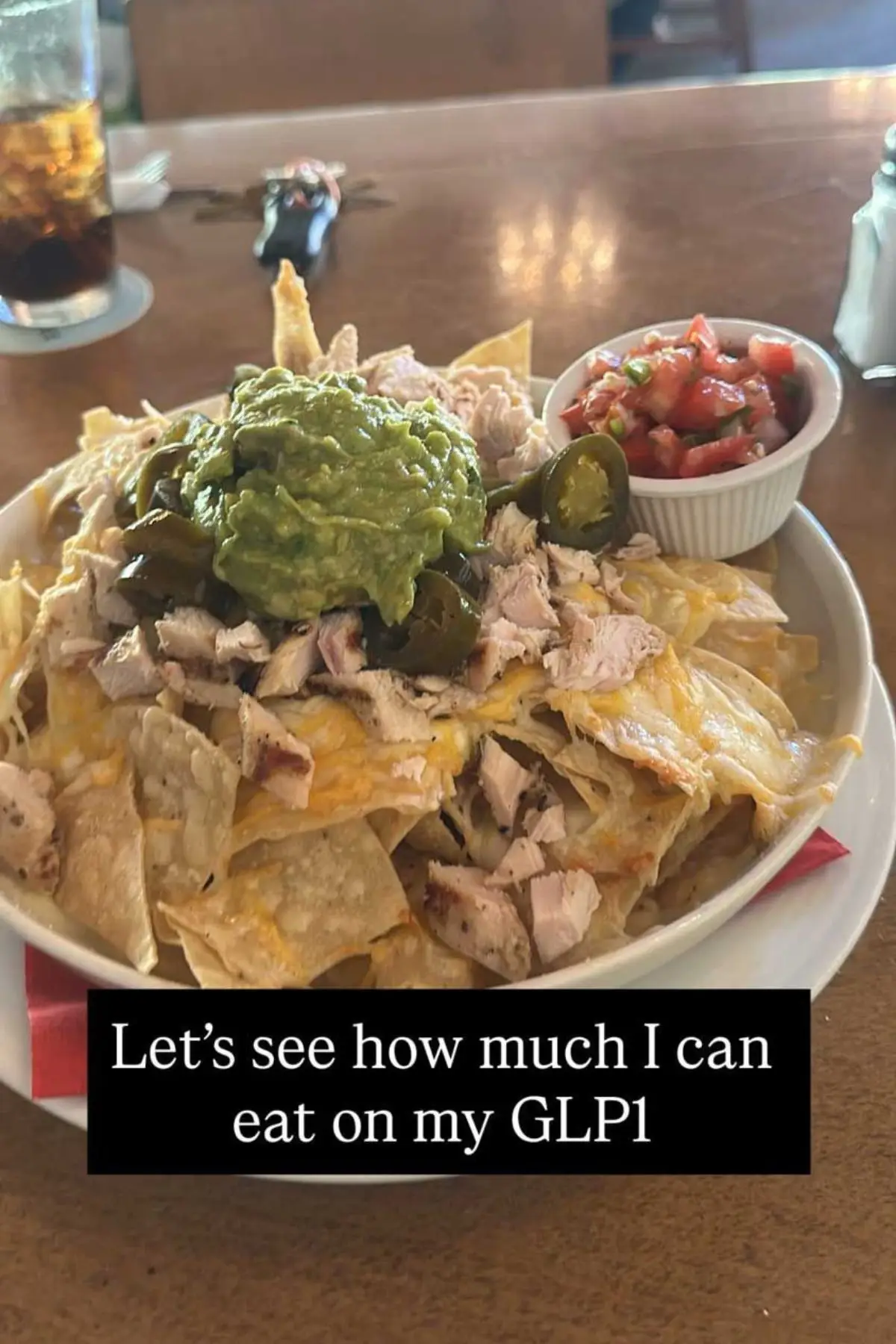
Wilkinson didn’t reveal to her three million Instagram followers how much of the plate she was able to finish.
However, going by her ‘let’s see how much I can eat’ comment, it can be assumed that she finished less than she would have if she wasn’t using the so-called ‘skinny jabs’.
GLP-1 drugs may change eating habits
Many who have used GLP-1 medications in the past have reported a delay in gastric emptying and gut motility; an increase in how fast satiety signals are sent; and an inability to eat large portions due to decreased appetite levels, as per a previously published study.
Other side effects include nausea, headaches, fatigue, and muscle loss.
Researchers at Cambridge University and University College London (UCL) have argued that although the drugs can numb your appetite to help you lose weight, long-term benefits still depend on diet, exercise and healthcare support
“Without integrated dietary support and attention to food affordability, these medications could deepen existing health inequalities,” Dr Adrian Brown at UCL Medicine warned.
“The key message is clear: these treatments are powerful, but their long-term public health impact will depend on whether the right support systems are in place to ensure equitable and safe access for all patients,”
A report, published in the Nature Medicine journal, added that nutrition advice and healthy food access should be ‘affordable’ to the masses as food insecurity is ‘harming the health of patients before they ever reach the clinic’ for a drug prescription.
GLP-1 meds may change the way food tastes
Dr Angela Kwong, a Sydney-based GP and obesity expert, has claimed that people may be eating less on GLP-1 meds because the injectables can completely change the way that food tastes.
“The medication works at multiple levels, the gut, the brain, the hormonal system, the whole experience of eating can shift,” she told HELLO! Magazine.
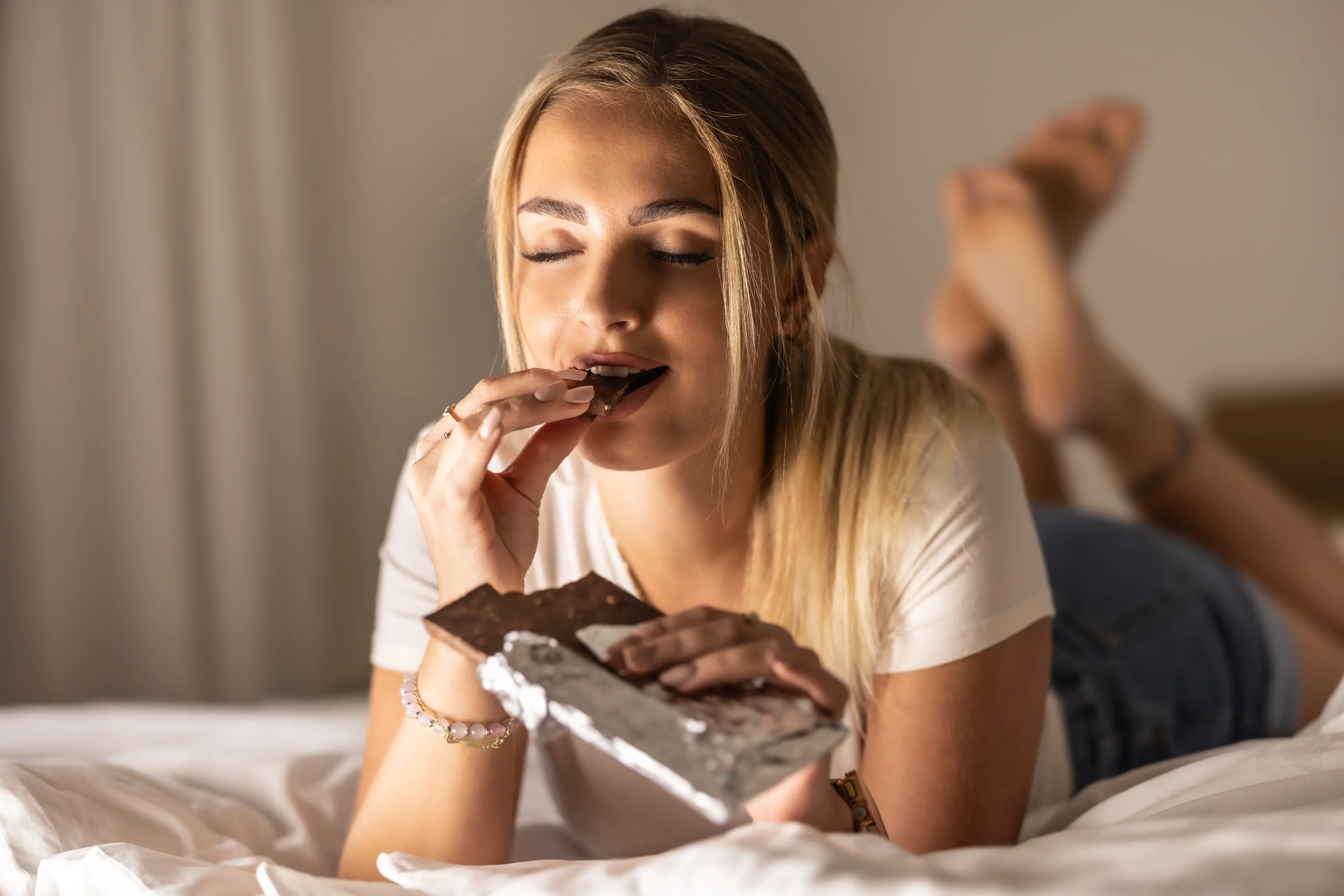
“I've seen patients who used to inhale an entire block of chocolate suddenly feel completely satisfied after one square.
“That’s not the goal in itself, but the sense of control it brings is deeply empowering.”
Dr Kwong is backed up by research delivered from the Medical University of Vienna, where experts found one in five people had noticed changes in taste after three months on their prescriptions.
“Foods were described as tasting sweeter or saltier than usual, with some even developing aversions to flavours they once adored. Interestingly, bitter and sour notes seemed to remain largely unchanged.
Chris Hughes, an accredited practising dietitian, said that those currently experiencing a change in tastes should not panic.
“It’s common for food preferences to change slightly as your hormones adjust. Lean into whole foods that feel good, and focus on nutrient-dense meals, even if your portion sizes are smaller.”
Topics: Celebrity, Health, Diet, Social Media
 Ella Scott