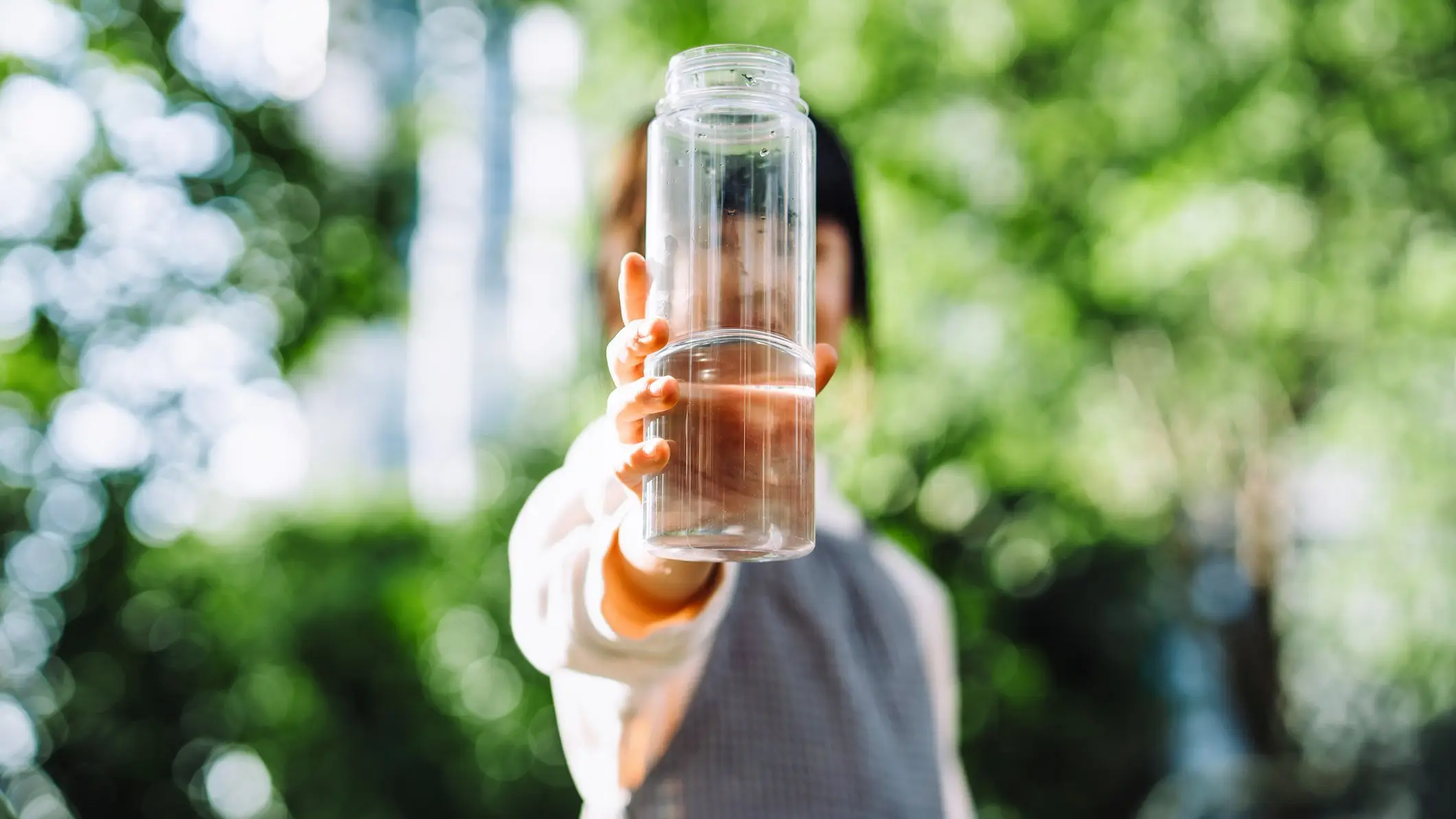
Why everyone’s suddenly drinking water the 'Chinese' way

Hot water isn’t meant to be interesting. It doesn’t sparkle, detox, fizz, or come with a lemon wedge.
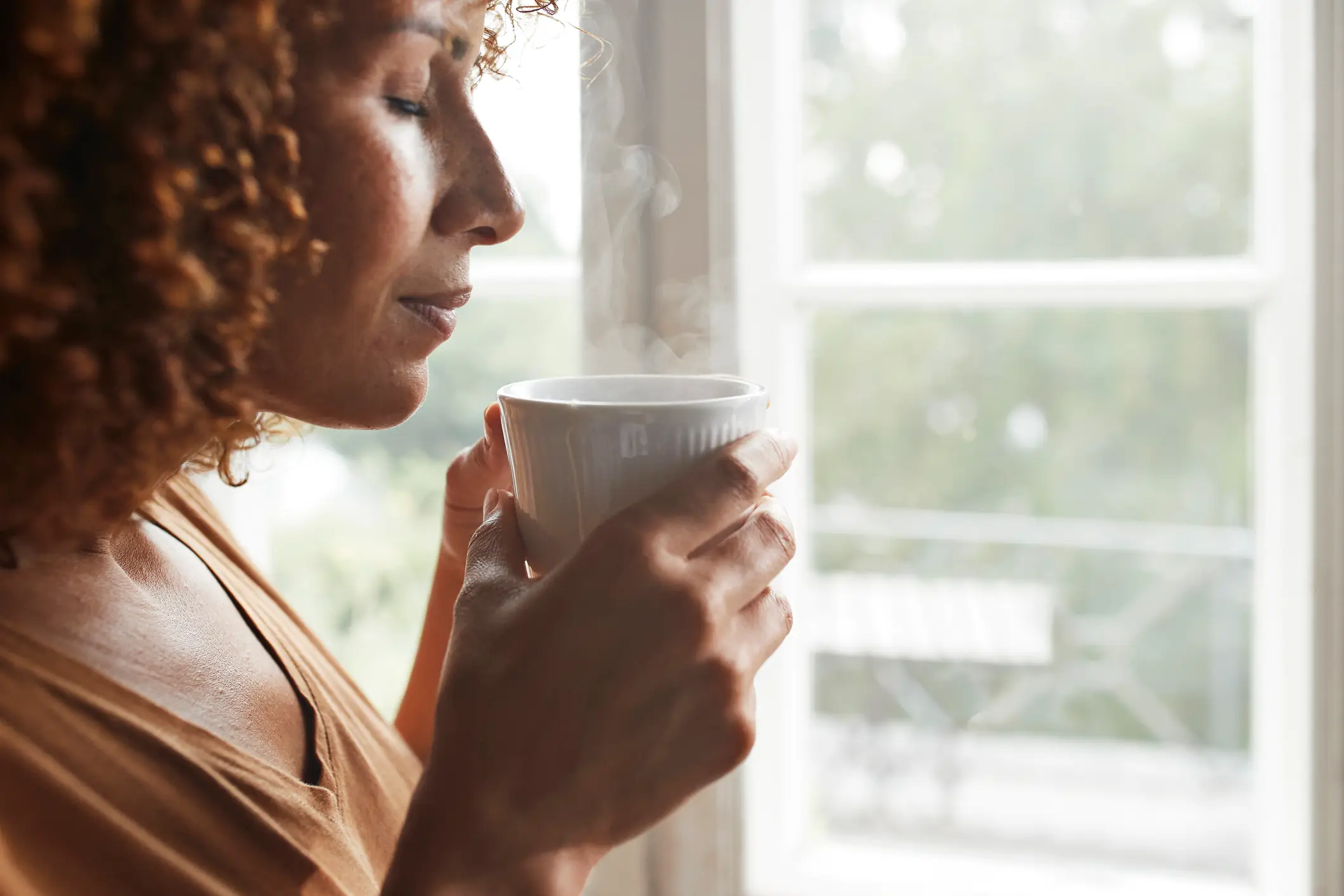
Yet, over the past few months, it’s quietly become one of the most copied habits online. People are swapping cold bottles for flasks, pouring steaming mugs of plain water on camera, and acting like they’ve unlocked some long-lost secret.
On TikTok, the trend usually comes dressed as cultural wisdom. Videos have been talking about how it makes drinkers feel more balanced, aids digestion, and oddly has a ‘becoming Chinese’ connotation, often paired with claims that ditching cold drinks will somehow fix your body. It looks deliberate, old-fashioned, and oddly serious for something as basic as water.
Advert
To anyone outside the loop, it feels confusing, as cold water tastes refreshing and ice is perfectly normal. Heating water for no obvious reason sounds inconvenient at best, pointless at worst.
On the other hand, the idea keeps spreading, largely because it looks easy to copy and hard to disprove.
Altogether, people are saying it feels comforting, controllable, and quietly virtuous in a sense. That’s because hot water is slower to drink, harder to overdo, and easy to turn into a routine. In a wellness space full of powders and supplements, it’s something people can do immediately without buying anything.
Along with that speculated help with digestion, drinking hot water is said to help you feel calmer, and apparently even helps those prone to bloating, reflux, or just sitting at a desk all day sipping mindlessly.
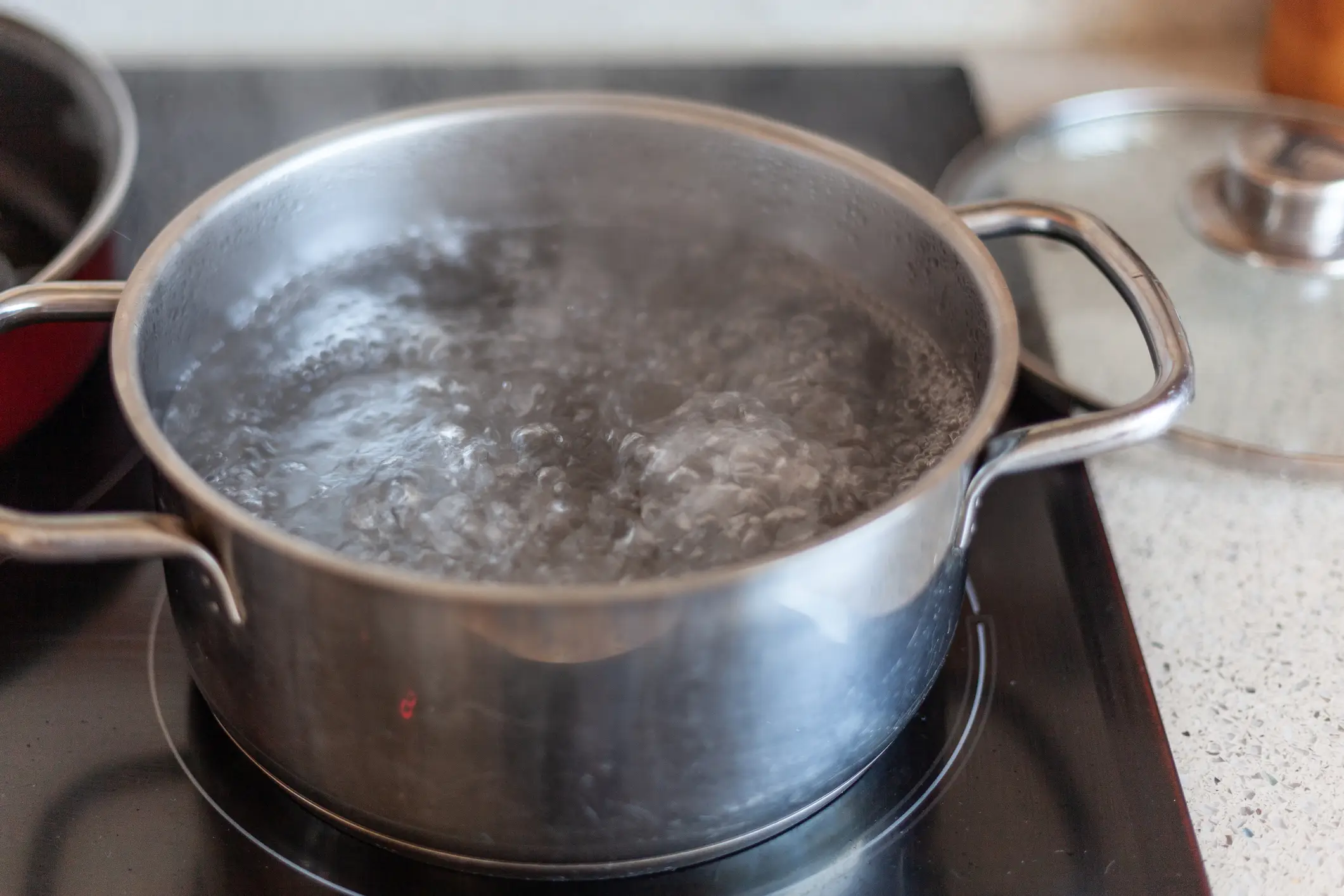
What tends to get lost is that this habit reportedly didn’t start as a health trend. According to a 2020 report from South China Morning Post (SCMP), in China, drinking hot or warm water was originally about safety in the early 20th Century. Boiling water made it safer to drink, and over time, that became the norm. The temperature stuck, even when sanitation improved.
"Perhaps the singular reason why the habit of drinking warm water has persisted for so long is because of traditional Chinese medicine," SCMP said, explaining how the Huangdi Neijing, written more than 2,000 years ago, claimed warm water is an effective way to regulate your health.
Cinci Leung, a traditional Chinese medicine practitioner in Hong Kong, told the outlet: “It talks about how drinking cold water would hinder the organs from functioning properly,” says Cinci Leung, a traditional Chinese medicine practitioner in Hong Kong. “And that’s why it’s just essential for Chinese people to have a habit of drinking warm water.”
Leung added: "Drinking warm water can nourish the yang in your body, which is like the powerhouse of your body. Food digestion and also nutrient absorption depends a lot on the spleen and the stomach, which is powered by the yang.
“The yang also makes sure your organs are functioning properly. When the organs are functioning properly, it drives one person's health.”
However, some of these physical health claims - now attached to the trend - are sometimes disputed by other experts.
Registered nutritionist Helen Ruckledge told Huffington Post: “There is no consistent research that suggests hot water aids digestion or reduces bloating more than cold water. It is certainly not the case that hot water speeds up the metabolism or makes you wake up with a flat stomach.”
She added: “The key to hydration is to drink water in whichever way you enjoy the most, to encourage you to drink plenty. There is certainly no research to suggest that cold water is detrimental. Many people find it more refreshing when cold.”
So if the science isn’t there, the appeal is mostly behavioural rather than changing the way you stay hydrated.
There’s also the routine angle. Hannah Shore, Head of Sleep Science at Mattress Online, explained: “Drinking a cup of hot water before bed probably won’t directly affect your sleep; however, it could have some benefits. Taking the time to sit and drink a hot cup of water could be the perfect thing to build into your wind-down routine.”
She further added: “As adults, we often forget the importance of a wind-down routine, which should help relax the mind and body, prompting us that it’s time for sleep.”
Topics: Health
 Ben Williams