Mum issues stark warning over popular supplement with 'opioid-like' effects following son's death

For years, people looking for alternatives to prescription painkillers have turned to herbal supplements that promise calm, energy, or relief without the side effects linked to stronger medications.
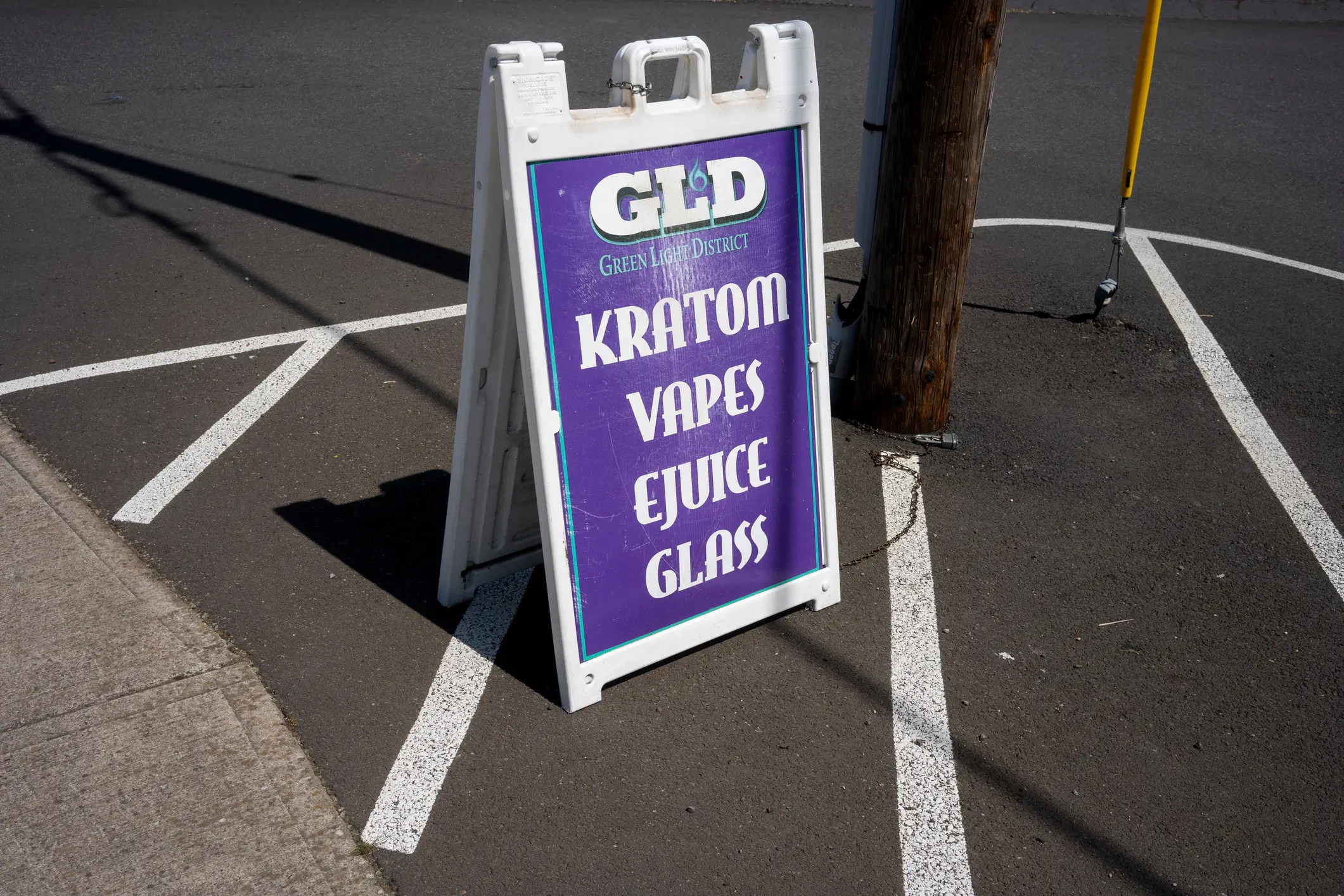
In shops, online, and even at gas stations, products made from crushed plant material are sold in powders, capsules, drinks, oils and even gummies, often promoted as all-natural solutions for everything from chronic pain to anxiety. The growing demand has seen more and more of these remedies placed prominently at tills and vape shop counters, attracting both curious newcomers and those who have struggled with traditional opioids.
Experts say the trend has been driven partly by the fallout of the opioid crisis. Many consumers are now wary of highly addictive medications that have left lasting harm across the US and beyond.
Advert
As a result, supplements like kratom have become a convenient and seemingly safer option for people seeking help with long-term pain, stress, or sleep issues without turning to prescriptions.
However, doctors have warned that some of these products may not be as harmless as they appear, particularly when they are sold without any formal regulation, independent testing or age restrictions.
We’ve already seen warnings from doctors about its how dangerous kratom - and its 'opioid-like effects' - can be versus how it’s marketed, but it is only after tragedies occur that the risks become impossible to ignore.
One mother in Utah is now urging others to look past the bright packaging and supposed health claims after her 26-year-old son died unexpectedly in his sleep.
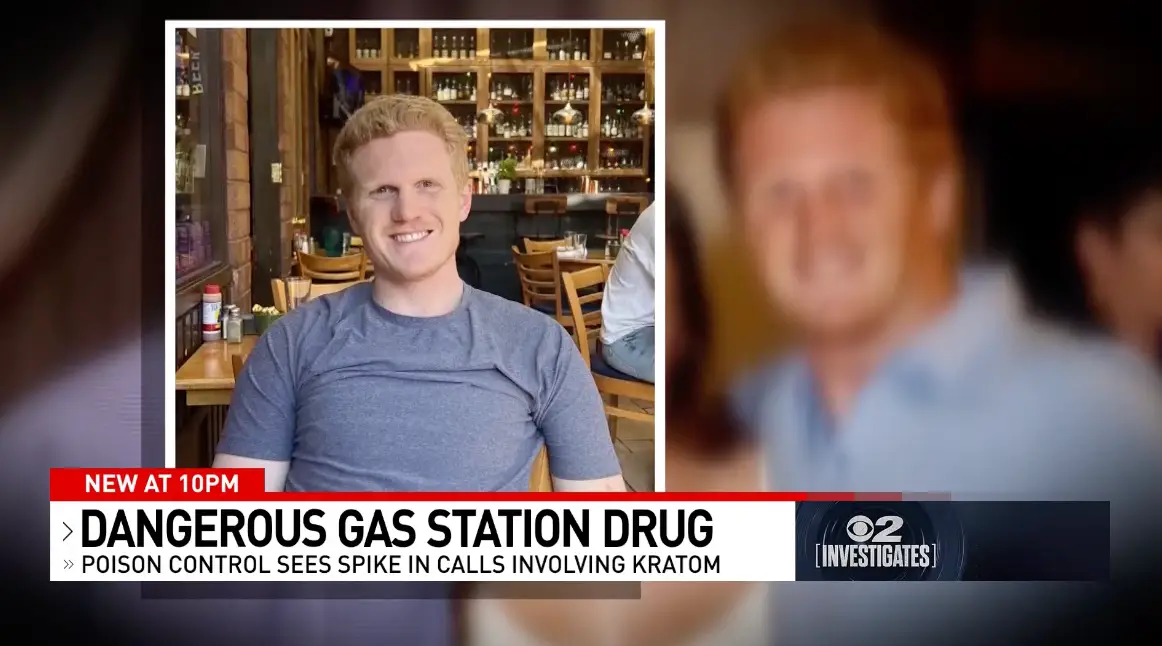
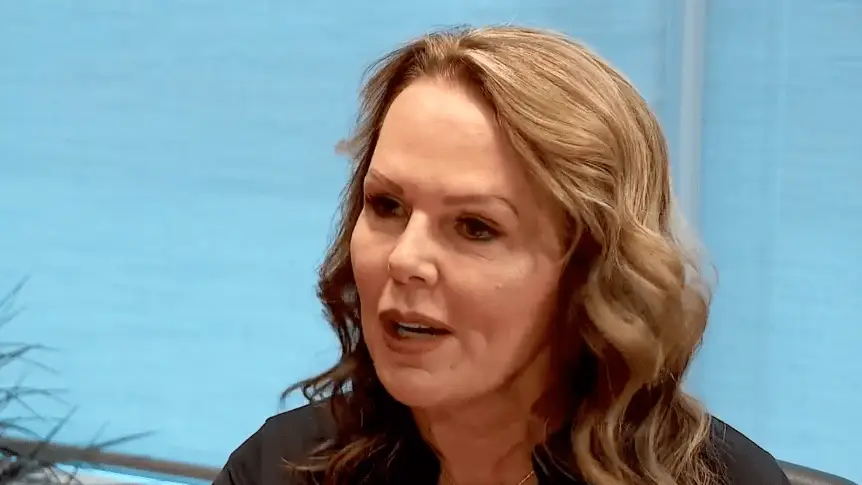
Speaking to KUTV, Eva Neeleman said son Connor had taken two tablets of a concentrated extract given to him for free at a vape shop, where he was told it would help him sleep.
He had been taking it for two months, but this time would turn out to be his last.
Neeleman said: “It’s killing far more people than anybody in this state or the rest of the country realise,” as she has been speaking publicly in the hope that no other family endures the same loss.
She added: “This stuff will kill your kids. It'll kill you. It needs to be regulated.”
Health officials in Utah say they have seen a doubling in poison control calls linked to kratom, the supplement involved in the case.
Dr Michael Moss from the state’s Poison Control Center said: “We're probably getting a handful of calls every week…Maybe before, it was only once or twice, and now it's happening twice as often.”
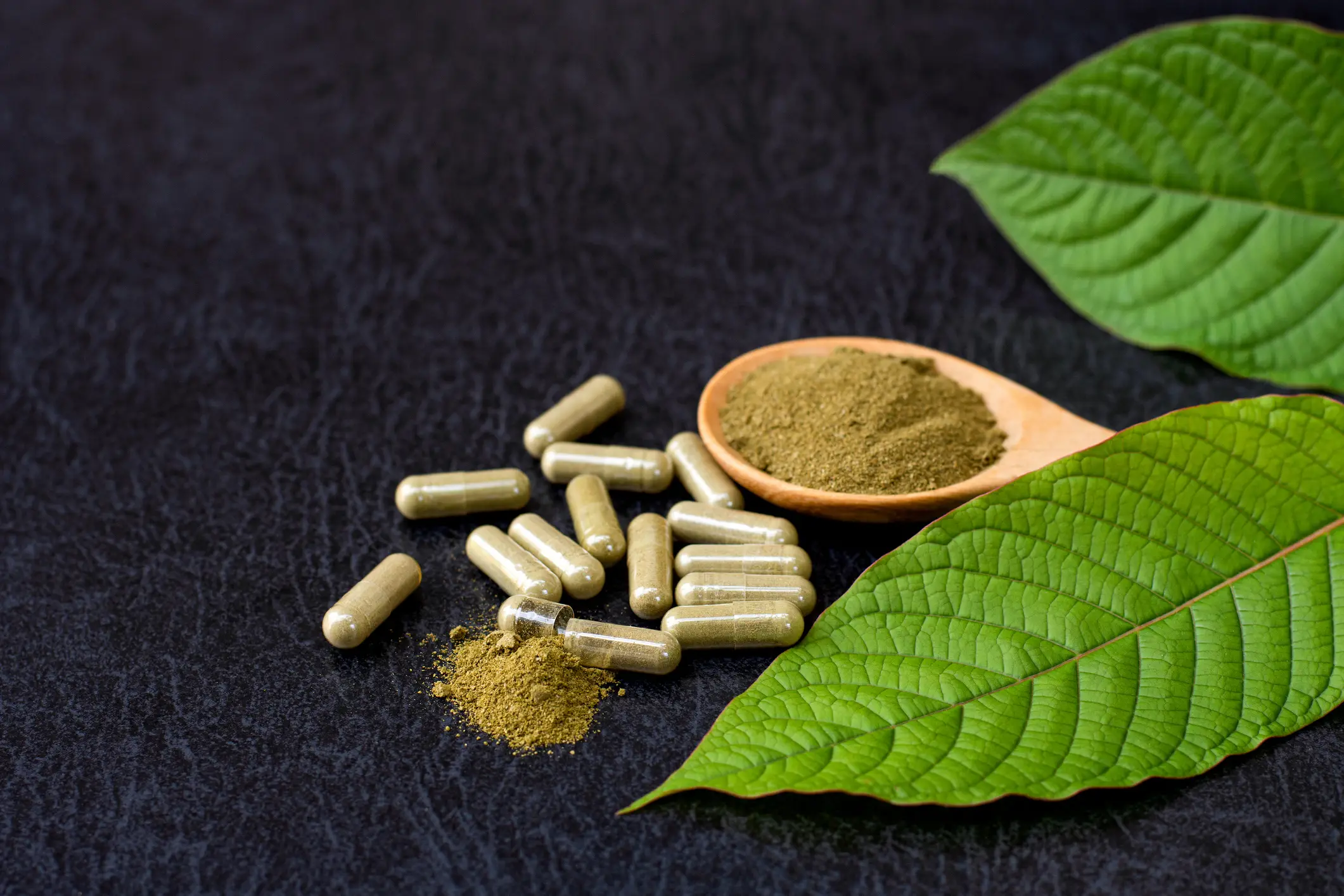
While natural, kratom is often marketed as a plant-based alternative for pain, experts say a far more potent version, known as 7-hydroxy, has now become widely available.
Moss explained: “The difference is like coca leaves versus cocaine. The natural plant can have a mild stimulant effect, but taking extracted, concentrated 7-hydroxy is like getting a powerful opioid hit all at once.”
Some children have even accidentally ingested the tablets, prompting fears of overdoses.
Neeleman has called for bans and stricter rules, saying simply: “Ban it… It’s poison, and it kills.”
 Ben Williams