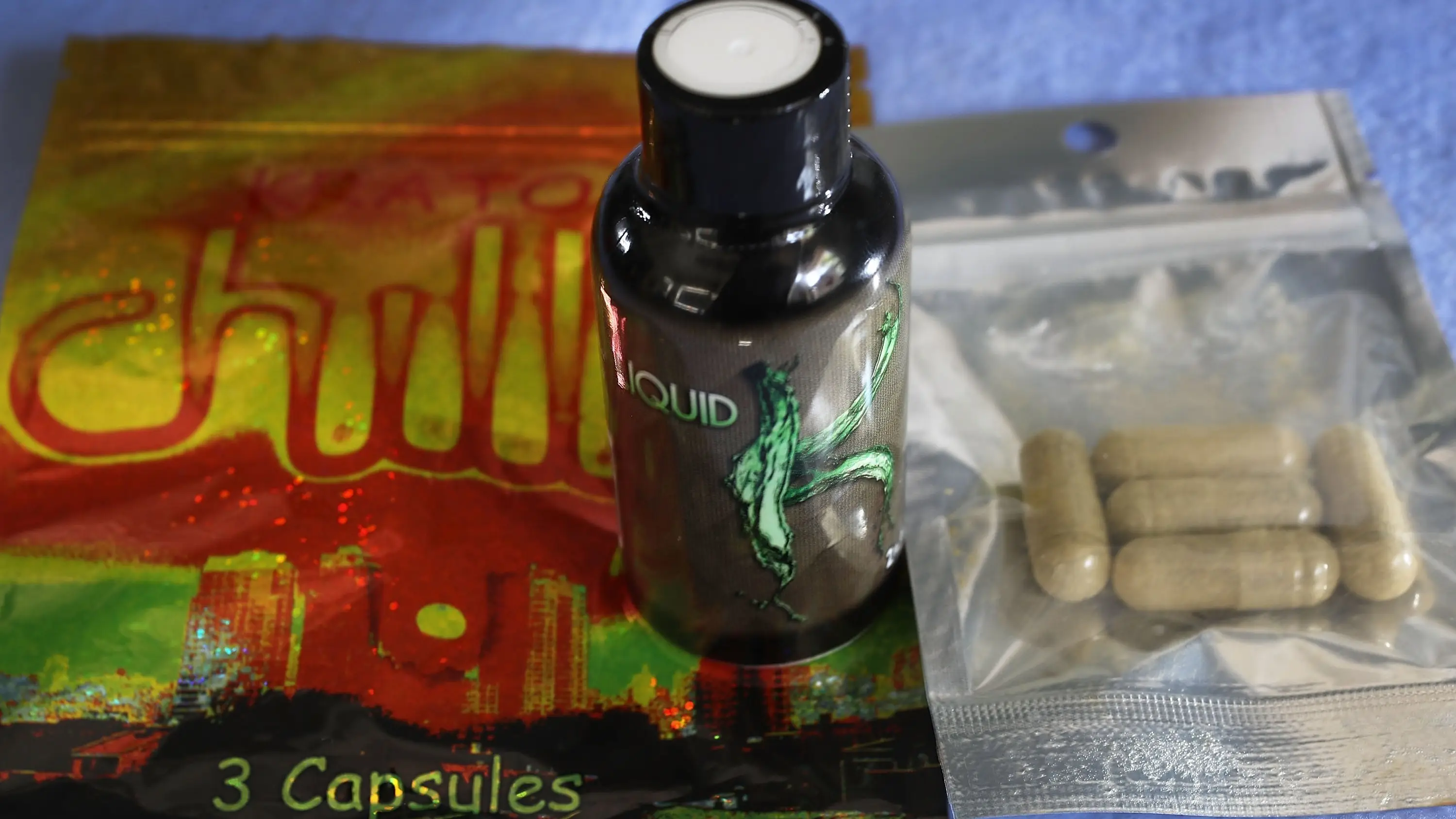
FDA issues warning over supplement with 'opioid-like' effects that comes with hidden dangers

A leaf that produces ‘opioid-like’ effects when consumed has been deemed as ‘not appropriate for use as a dietary supplement’ by the Food and Drug Administration (FDA).
Last year, statistics predicted that the dietary supplement market size would reach $414.52 billion (£309.77 bn) by the time 2033 comes calling.
While some of the more popular tablets include magnesium, probiotics, and B vitamins, especially B12, others have been using alternative substances that have a long history of use as a herbal remedy.
One of these is kratom, a tropical tree that’s those native to Southeast Asia that some swear by to increase energy and treat chronic pain.
Advert
While some users of the experimental medicine report using it to treat depression and anxiety, others claim it as an alternative to opioid use disorder and opioid withdrawal.
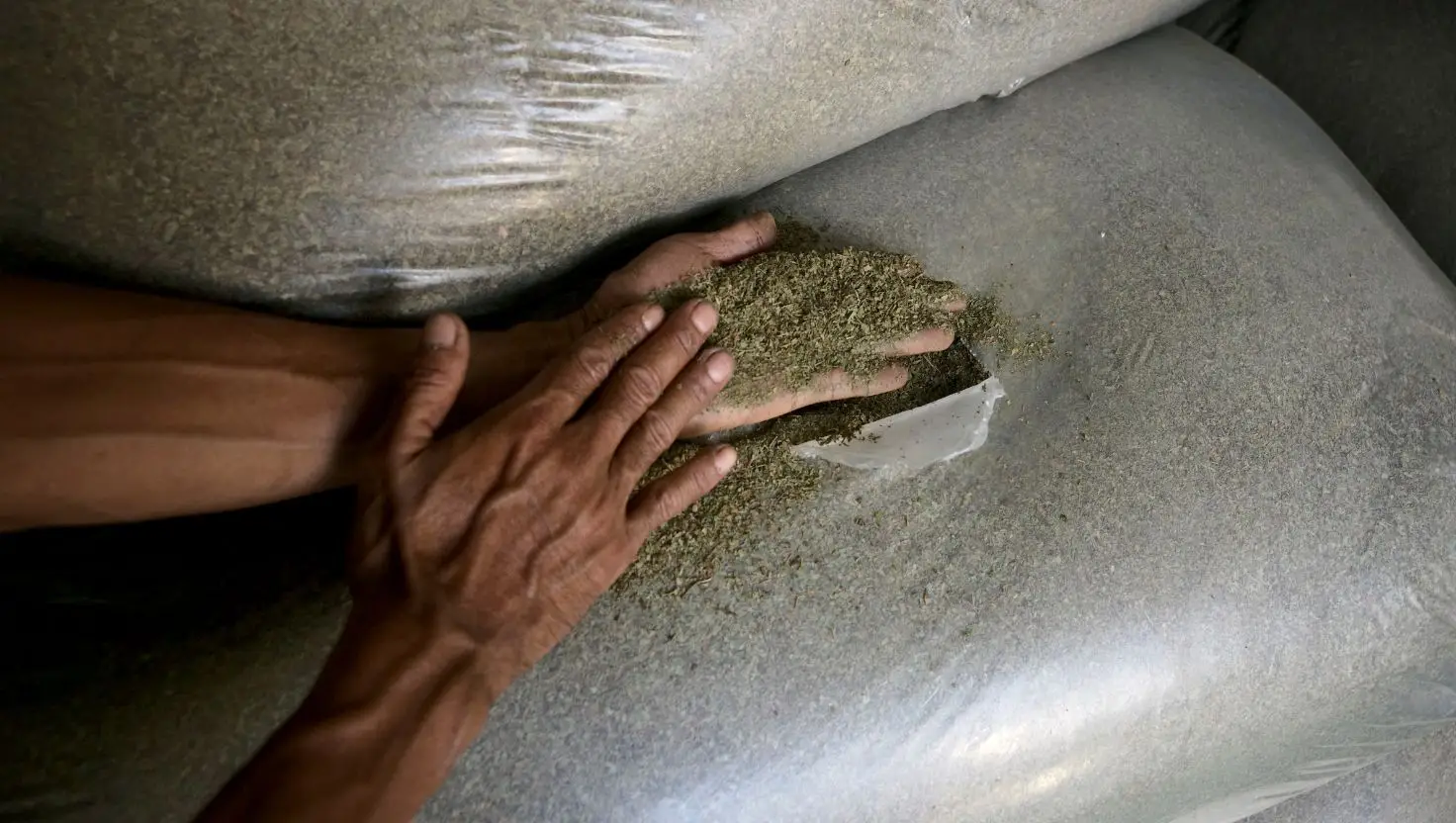
Even though kratom leaves are available to purchase online and in various stores across the United States, the FDA has issued a warning about its hidden dangers.
“Kratom is not appropriate for use as a dietary supplement,” the agency stated, “and cannot be lawfully added to conventional foods.”
The FDA continued: “Therefore, kratom is not lawfully marketed in the U.S. as a drug product, a dietary supplement, or a food additive in conventional food.”
This conclusion has been met due to the risk of ‘serious adverse events’ and ‘opioid-like effects’ that can take place after consumption of kratom.
These include, but are not limited to:
- Liver toxicity
- Seizures
- Substance use disorder (SUD)
- Death, when used in combination with other drugs
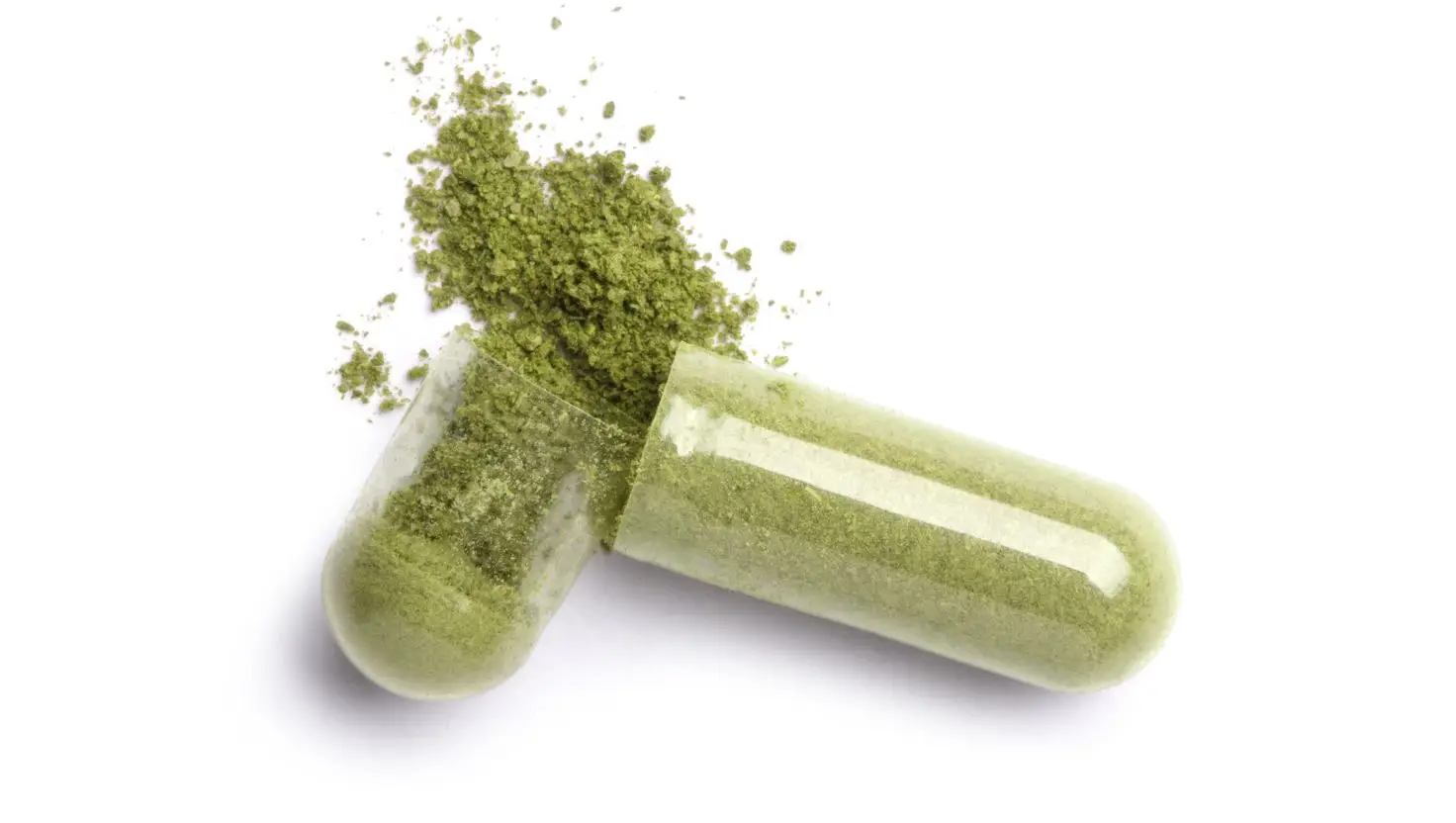
Cases of kratom-related SUD have been observed in individuals who used the controversial foliage for longer than intended and continued use despite adverse consequences, as per an agency notice.
In an effort to know more about kratom, and discover if there really are any positives to consuming the product, those working in the academic community, at drug companies, and at government agencies are currently embarking on research.
The FDA warnings come amid a mother’s heart-breaking tale of how her son died after using the so-called natural remedy.
Eva Neeleman, who lives in Utah, told KUTV how her 26-year-old son Connor had taken tablets of concentrated kratom extract for months after he was promised it would help him sleep.
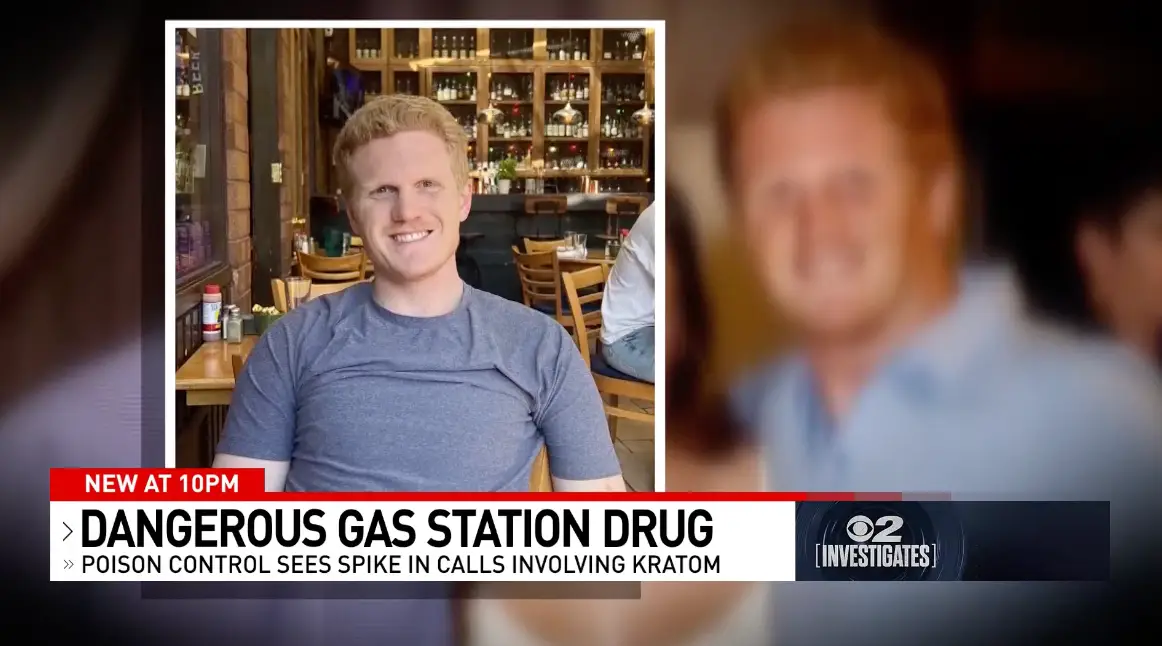
“It’s killing far more people than anybody in this state or the rest of the country realise,” the mourning mother revealed.
“This stuff will kill your kids. It'll kill you. It needs to be regulated.”
Dr Michael Moss from Utah’s Poison Control Center added that, right now, the team is dealing with a ‘handful of calls every week’.
“Maybe before, it was only once or twice, and now it's happening twice as often,” he added.
 Ella Scott