3 'damaging' foods one cardiologist would never eat

A cardiologist has detailed three of the most ‘damaging’ consumables, reasoning that they may pose a serious risk to our health.
Coronary heart disease (CDC) is rife in the United Kingdom, with around 2.3 million people having been diagnosed, according to statistics published by the British Heart Foundation.
Some of the most common symptoms include chest pain (angina) and breathlessness, as well as stomach pain like indigestion, feeling sweaty, and nausea.
Dr Francesco Lo Monaco, a preventative cardiologist and founder of The National Heart Clinic on London’s Harley Street, told the Liverpool Echo that heart disease is very much ‘preventable’.
Advert
However, ‘too many people’ opt to focus on it only when ‘something goes wrong’ with our health.
“Every week I see patients who are surprised when I tell them the foods they eat daily are damaging their arteries,” he confessed.

In a new interview with the publication, the professional, who has almost two decades of experience, revealed the three products we should limit or cease consuming immediately if CDC is on our minds.
Why to avoid eating processed meats
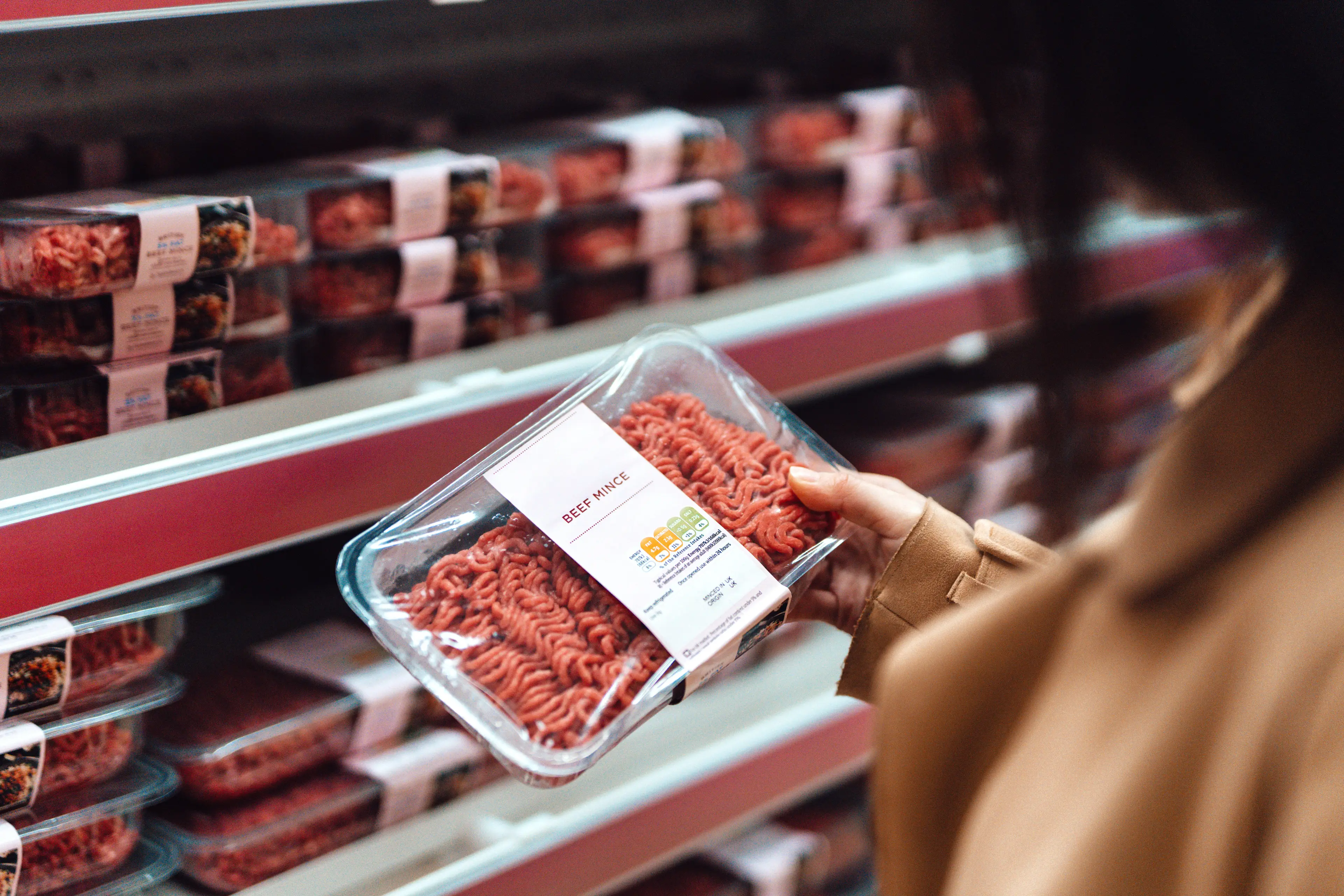
The first food group that the expert wants you to limit is processed meats, such as sausages, deli meats, and bacon.
This is because they are classed as carcinogens - meaning experts suggest they can cause cancer.
Scott Dawson, M.D., cardiologist of Cooper and Inspira Cardiac Care, recently explained to The Tribune that processed foods are high in saturated fats, cholesterol, and other substances that can become stuck on artery walls.
Eventually, this buildup can narrow arteries, increasing the risk of heart attack and stroke.
Limit the amount of red meat
As well as limiting the amount of processed meats you eat, Dr Lo Monaco has said we should be mindful of our red meat intake.
“I tell patients that red meat should be occasional, not daily, and that the quality of the meat matters,” he informed the publication.
“Go for a lean cut and really try to limit any processed meat in your diet, as there’s strong evidence they do harm, and replace the protein with eggs, fish and nuts.”
According to the British Heart Foundation, we shouldn’t eat more than 70g of red meat per day.
Echoing Dr Lo Monaco’s sentiments, Tracy Parker, Senior Dietitian at the British Heart Foundation, said: “Most of us could benefit from eating less meat and including more plant-based protein in our diets, such as lentils, nuts and seeds, as well as fruit, vegetables and wholegrains.
“These foods make up the traditional Mediterranean diet, which has been linked to a reduced risk of heart and circulatory diseases.”
Convenience foods
Sometimes the last thing you want to do after a stressful day at work is cook a full meal. This is when many of us will dig around in our freezer, hauling out pre-packaged ready meals.
However, these dishes are often packed with sodium, saturated fats, and processed meats - all of which can cause havoc where your heart health is concerned.
“Preparing healthy meals does take time and for people with busy lives this can be hard. That’s a fact, not an excuse.
“Despite this, I think most people can make meaningful dietary improvements that dramatically reduce cardiovascular risk by aiming to eat well most of the time,” he reasoned.
You can become more informed about your food choices by looking at the label.
If the list of ingredients, including additives and preservatives you cannot pronounce, is long, the heart expert has implored you to put the meal back.
Sugary drinks
Worryingly, research has shown that consuming 340ml of sugary drink a day (which equates to less than one can) increases your risk of type 2 diabetes by 22 percent, as per campaigners at Rethink Sugary Drink.
And with the World Population Review reporting that almost one out of every five people has at least one soda every day, it’s understandable why officials are sounding alarm bells.

As well as type 2 diabetes, too much sugar can cause weight gain, non-alcoholic fatty liver disease (NAFLD), and raise blood pressure, according to Harvard Health.
Dr Lo Monaco stated that ‘sugar-sweetened beverages should be cut out entirely’ from our diets.
He said this was because ‘we often look at calories in the foods we eat but forget about liquid calories’.
The American Heart Association suggested swapping out your carbonated beverages for water, while the NHS warnedthat you should also limit fruit juice and smoothies to 150ml per day, as they are also high in sugar.
“Dilute squash drinks or cordials well to reduce the sugar content,” they added. “If you don't like the taste of water, try sparkling water, no added sugar squash, or add a slice of lemon or lime.”
 Ella Scott