
Cardiologists share the one food they tell their patients to eat

Cardiologists have weighed in on the foods they recommend their patients to eat more of which they consume regularly themselves.
It's easy to get sucked into the idea of dieting being a narrative of reducing your intake or eating less, but what happens if several cardiologists took a more positive approach?
Instead of warning you which foods to eat less off, several cardiologists and healthcare professionals have recommended certain handfuls of food items to add into your diet or make sure you're eating fairly regularly.
While you should always focus on a balanced diet and eating in moderation, there are four superfoods which cardiologists swear by which can improve your health in the long run, particularly when it comes to heart health.
Advert
1) Berries
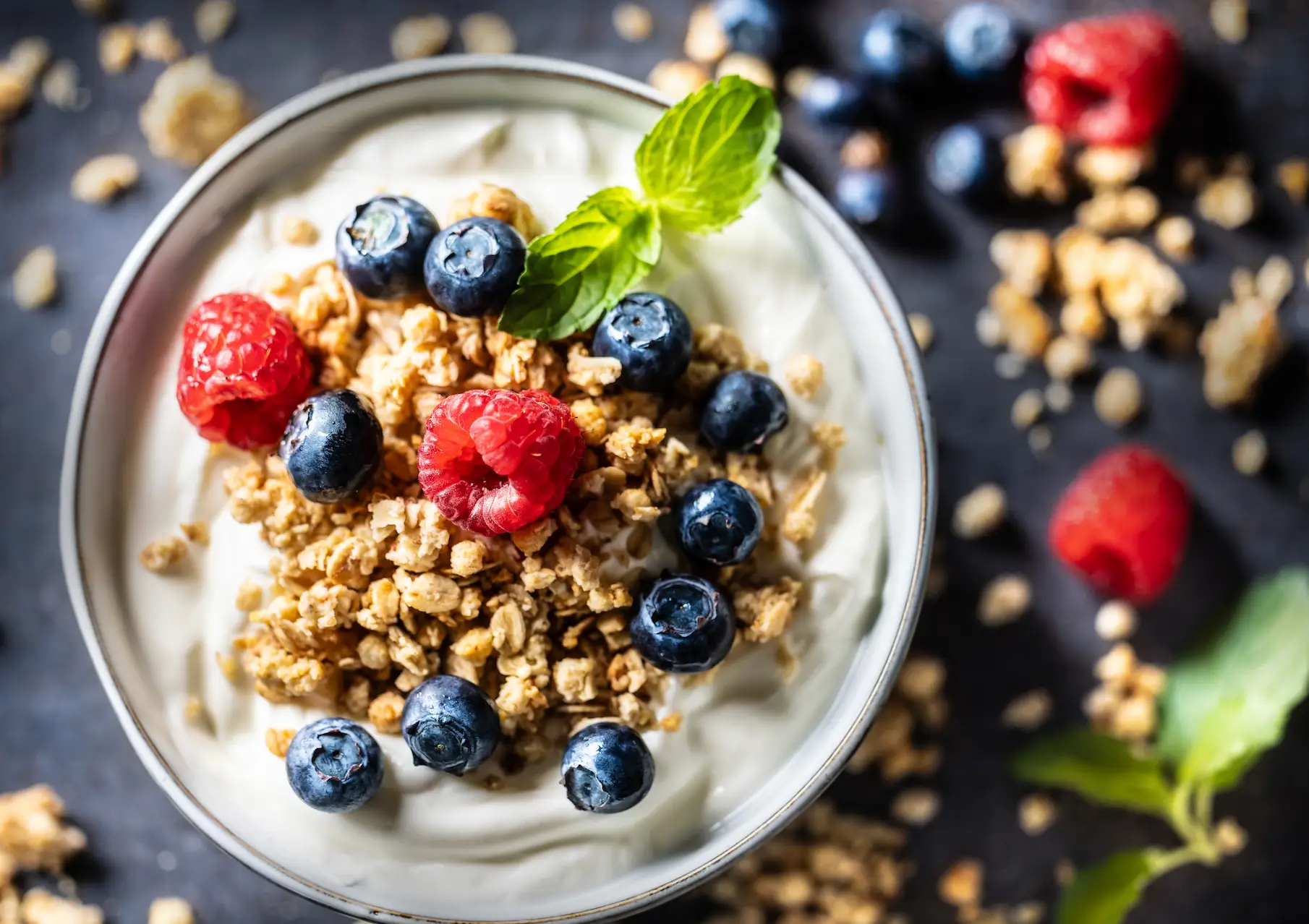
Mass General Brigham Heart & Vascular Institute preventative cardiologist Dr Romit Bhattacharya told Huffington Post the 'number one thing' he recommends his patients to eat is berries.
Whether frozen or fresh, berries have a high fiber content, alongside phytonutrients and antioxidants which improve blood flow and 'vascular function'.
With no added sugars, their natural sweetness also helps curve cravings in a more healthy way than picking up a chocolate bar or energy drink.
While certainly no cardiologist, my personal tip is frozen blueberries, Greek yogurt and a drizzle of honey.
2) Nuts
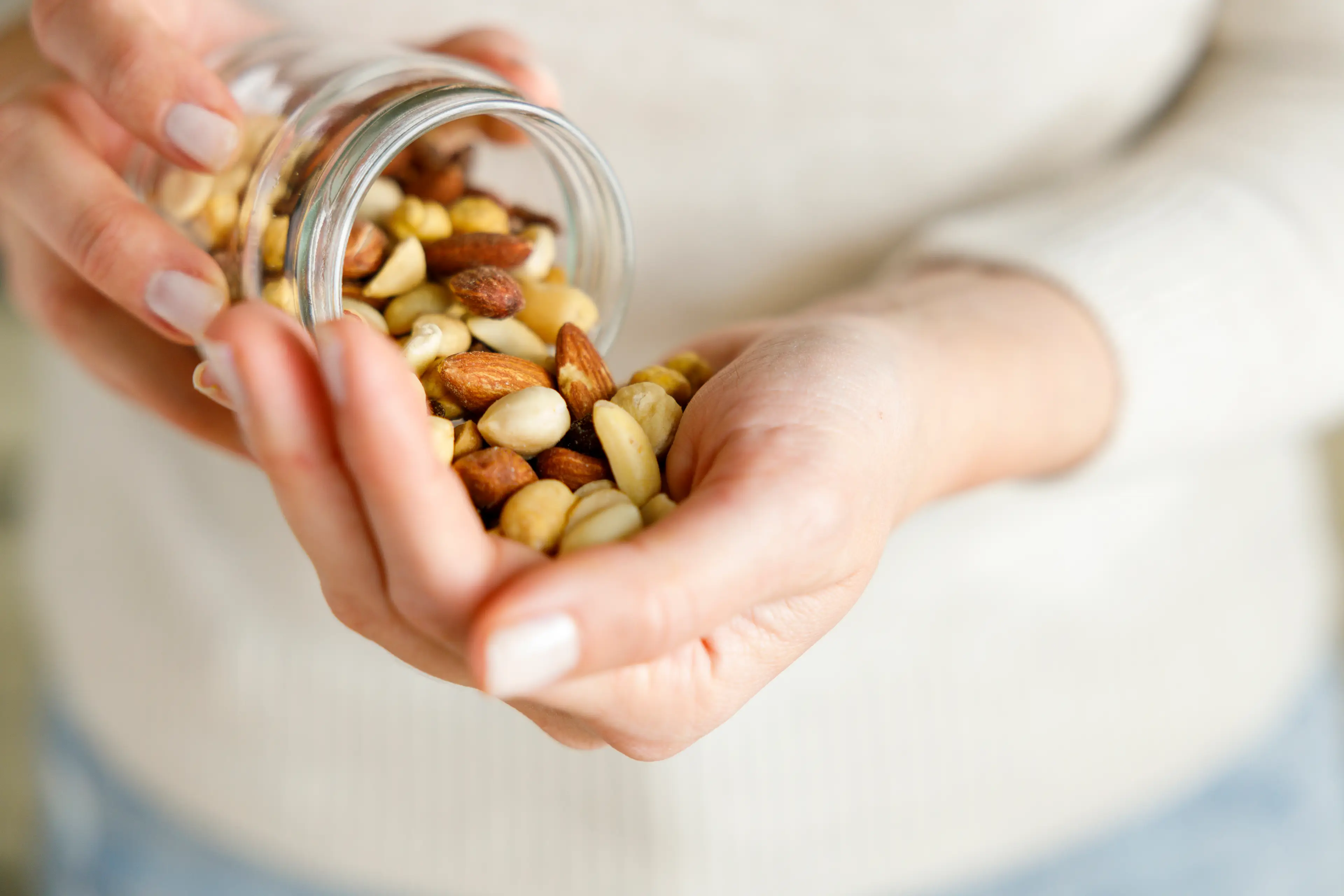
When eaten consistently, nuts are a 'superfood for the heart,' Dr Monika Sanghavi.
The director of women's cardiovascular health at Pennsylvania Hospital told Huff Post she recommends them to patients to eat 30 minutes before a meal to stabilise blood sugar spikes.
Kunal Lal MD explained to Eating Well that nuts, such as almonds and walnuts, are high in unsaturated fats, fiber and plant compounds.
This helps to reduce inflammation and support healthy cholesterol levels.
And let's not forget our greens either.
3) Dark leafy greens
The recommendation to eat more dark leafy greens is 'part of most dietary guidelines,' a 2018 study notes.
The article - titled Cardiovascular Health Benefits of Specific Vegetable Types: A Narrative Review - notes 'specific vegetable types contain high levels of particular nutrients and phytochemicals linked with cardiovascular health benefits'.
The specific types of vegetable include leafy greens such as kale, spinach and lettuce. Cruciferous vegetables, such as broccoli, cabbage and bok choy. And allium, such as onions, leeks and chives.
And always remember to lob a bit of protein on your plate too.

4) Oily fish
Consultant Cardiologist, Dr Samy Karikalan Kandasamy, explained via Cornwall Cardiologist Direct that oil fish is a source of omega-3 fats which can help protect against heart disease.
Cardiologist and lipidologist at the UPMC Heart and Vascular Institute, Dr Anum Saeed told Huff Post salmon in particular is one of her favourites to recommend given how 'rich in DHA and EPA' - types of omega-3 fatty acids - it is.
Although, make sure to buy responsibly sourced fish.
Overall, alongside recommending the above foods, many cardiologists stress the need to have a balanced diet, alongside recommending you ensure your diet is high in fibre.
High fibre lowers bad cholesterol, reduces blood pressure and helps manage blood sugar levels.
Harvard Health adds it also helps reduce inflammation which could lower the risk of heart attack of stroke. So add in some quinoa or wholegrain rice on your plate too.
 Poppy Bilderbeck