$24 million worth of cocaine found hidden in frozen berry delivery

Topics: News
 Ella Scott
Topics: News
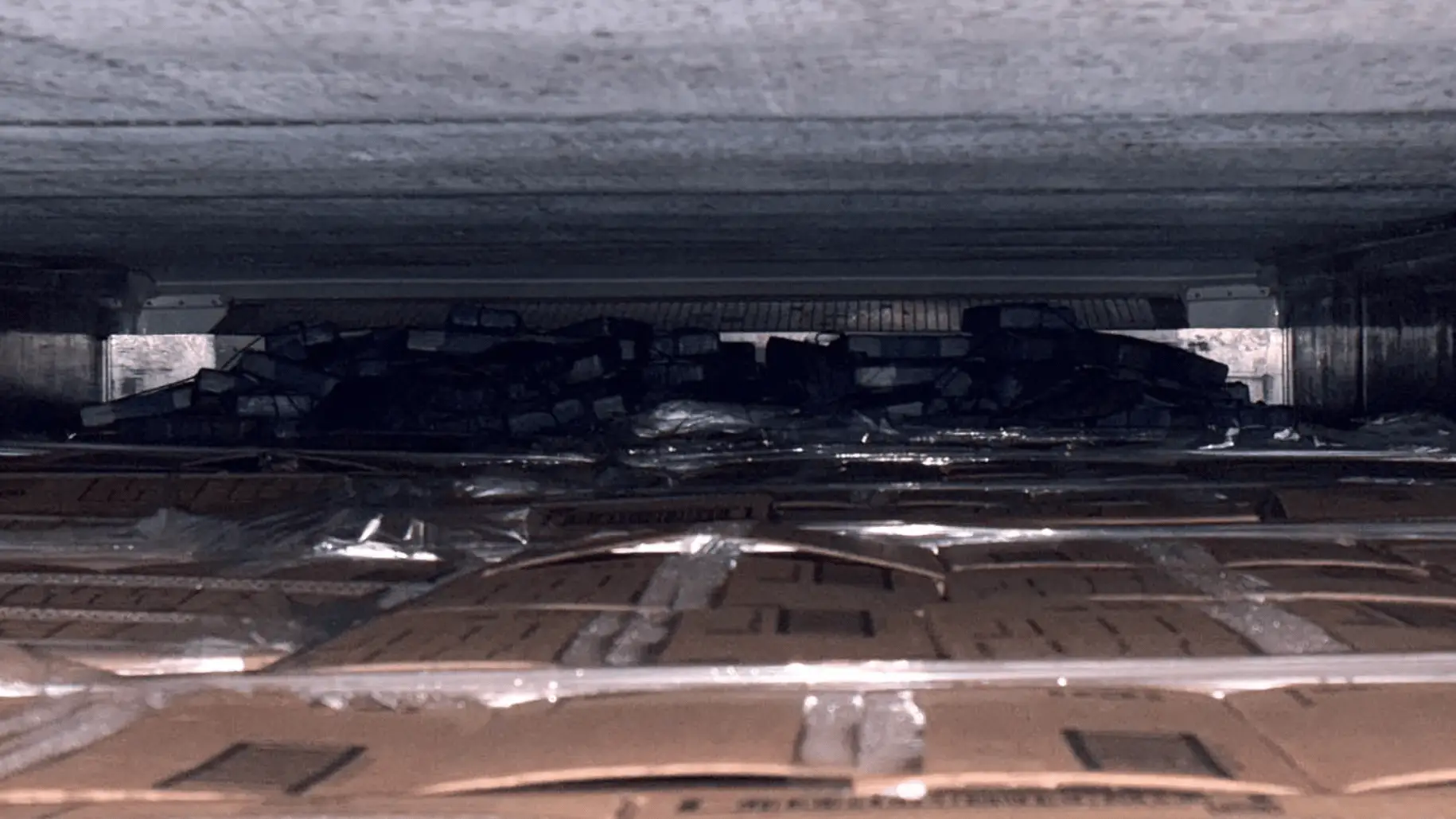
Authorities have confirmed the successful interception of a frozen berry shipment from Chile used to smuggle more than $24 million worth of drugs into Sydney Port Botany.
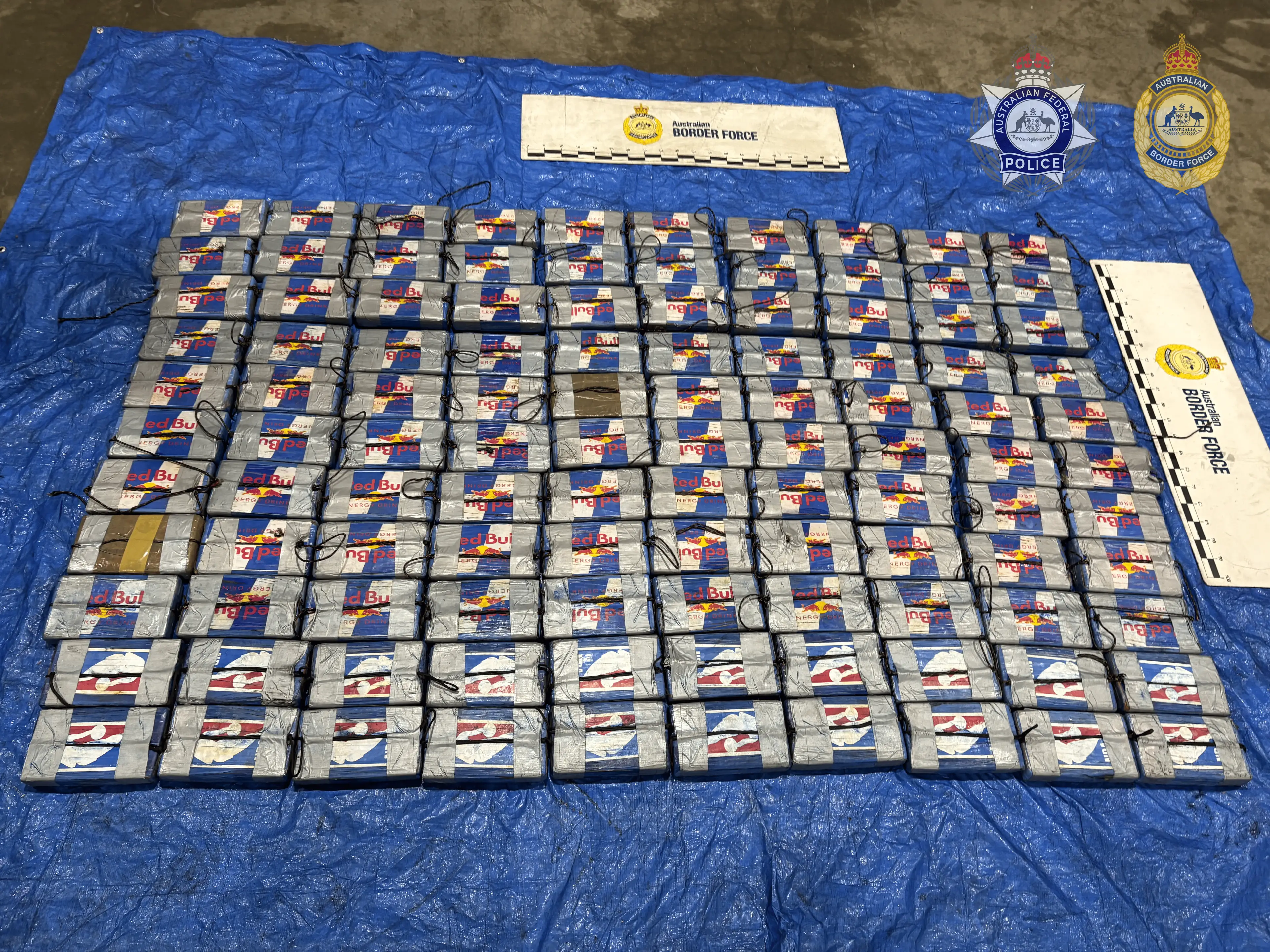
Last Saturday (27 June), the Australian Federal Police (AFP) and Australian Border Force (ABF) announced that 110kg of cocaine had been seized from a shipping container from Santiago, as per a joint press release.
Officials were apparently ‘acutely aware of the trend of criminal syndicates using refrigerated containers to import harmful drugs into Australia’ prior to the shipment being seized, the report stated.
Suspicions were officially confirmed on 24 June when ABF officers in Port Botany ‘identified a significant number of suspicious packages hidden within a refrigerated container destined for northwest Sydney’.
Advert
Enforcers reported their suspicions to the AFP and investigators eventually retrieved 110 bricks of a compressed white powder, the press release stated.
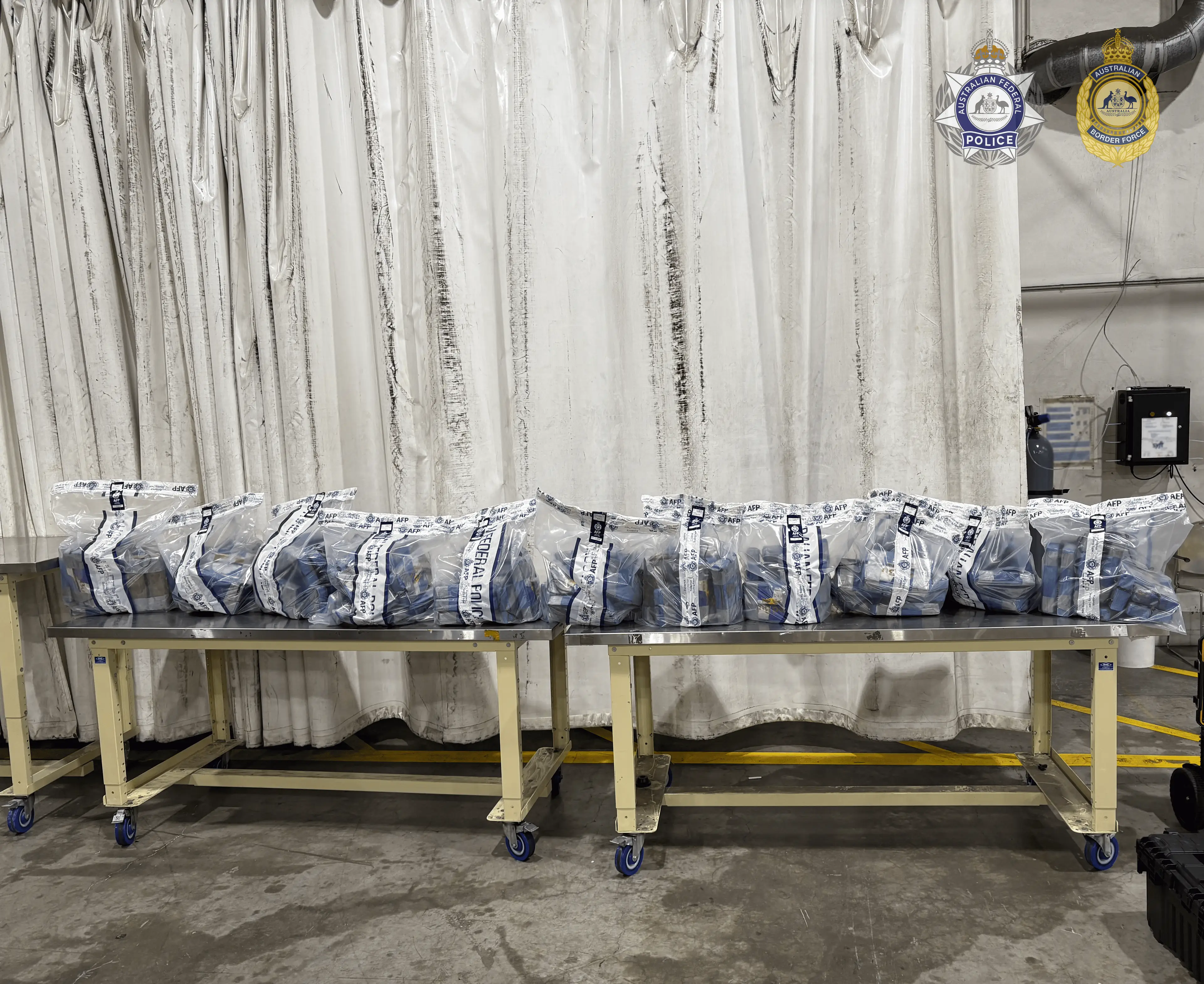
It was confirmed that each package, found among the frozen berries, weighed around 1kg.
The bricks were sent to a local lab where researchers ran tests, confirming the illicit powder had tested positive for cocaine.
Unbelievably, it’s said that the drugs’ estimated street value sat at around $36 million AUD ($24,815 USD), officials claimed.
This isn’t the first time that cocaine shipments have breached Australia, ABF Acting Superintendent Noleen Shankar said.
“Cocaine seizures at our border have increased by 23% compared to the same time last year. This highlights the expertise of ABF officers, leveraging intelligence-led targeting and their advanced operational capabilities to protect Australia’s border.”
She continued: “No matter the methods criminals use to try and hide illicit goods, the ABF and our law enforcement partners will continue to target the syndicates behind these activities and dismantle their operations.”
Meanwhile, AFP Detective Acting Superintendent Aaron Burgess blasted the smugglers, claiming the organised criminal networks that are attempting to bring ‘harmful drugs’ into the country have ‘no regard’ for the havoc the substances can cause to individuals, families and communities’.
Burgess has also pleaded with the local community to act as the police’s ‘eyes and ears’.
He requested that any information, no matter how big or small, be reported so that officers may ‘identify those responsible’ for the ‘failed importation’.
Anyone with information which may assist investigators with their inquiries is urged to contact Crime Stoppers on 1800 333 000 or online via the Crime Stoppers website.
If you want friendly, confidential advice about drugs, you can call American Addiction Centers on (313) 209-9137 24/7, or contact them through their website.
In the UK, you can talk to FRANK. You can call 0300 123 6600, text 82111 or contact through their website 24/7, or livechat from 2pm-6pm any day of the week