
René Redzepi issues statement following bullying allegations at Noma

For years, René Redzepi has been one of the biggest names in global food, with Noma becoming the kind of restaurant that reshaped careers, trends, and the wider conversation around fine dining.
That reputation has also meant the Danish chef has stayed firmly in the spotlight whenever questions about kitchen culture have resurfaced, particularly around the intense, high-pressure environment long associated with elite restaurants.
In recent days, that conversation has come back in a big way, with fresh attention on allegations surrounding Redzepi’s past conduct at Noma and the wider atmosphere former staff say existed behind the scenes.
The chef, whose restaurant has been celebrated across the world for its influence and innovation, is now facing renewed scrutiny after a report from the New York Times detailed claims from former employees who alleged abusive behaviour and a culture of fear in the kitchen.
Advert
“He just went down the line and punched us in the chest," Ben, a chef in Australia who worked at Noma in 2012, told the outlet, explaining how the team were often punished for one person's mistake.
"Even the interns who had been upstairs picking elderflowers.”
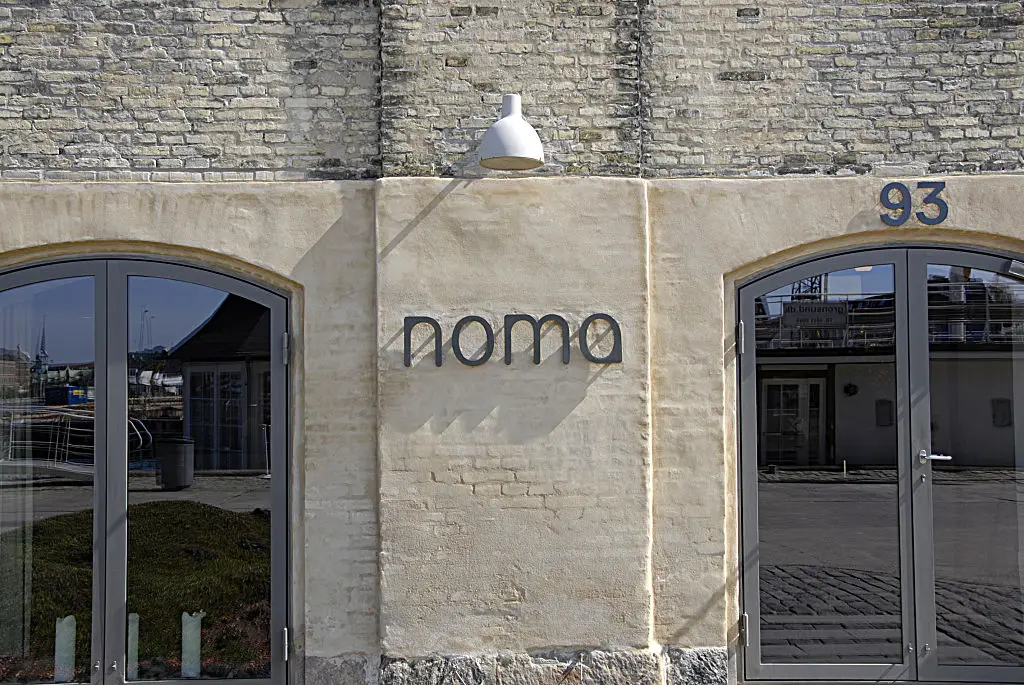
According to the publication, some 30 former employees said being hit by Redzepi - and by senior cooks running the kitchen - was 'routine'.
Interviews with former staff revealed that, between 2009 and 2017, employees were allegedly punched, jabbed with kitchen implements and slammed against walls, with 'lasting trauma from layers of psychological abuse'.
They also claimed Redzepi threatened to get them blacklisted from restaurants, or have family members deported or fired from their own jobs.
Redzepi has now responded publicly, issuing a statement on Instagram addressing what he described as ‘past stories’ about his leadership.
He opened the post by writing: “I want to address past stories around my leadership in the kitchen that have resurfaced recently. Although I don’t recognize all details in these stories, I can see enough of my past behavior reflected in them to understand that my actions were harmful to people who worked with me.
“To those who have suffered under my leadership, my bad judgment, or my anger, I am deeply sorry and I have worked to change.”
He then pointed to the kind of environment he says shaped him early on, writing: “When I first started cooking, I worked in kitchens where shouting, humiliation, and fear were simply part of the culture.
“I remember standing there as a young cook thinking that if I ever had my own kitchen one day, I would never lead like that. But after we opened Noma and the pressure began to grow, I found myself becoming the kind of chef I had once promised myself I would never be.
“No matter how real this pressure felt to me at the time, it should never justify losing my temper.”
Redzepi went on to acknowledge more directly how he behaved, saying: “A decade ago, I began speaking openly about my behavior in the kitchen - the outbursts, the anger, and at times even physical aggression, where I shouted and pushed people, acting in ways that are unacceptable.”
He added: “I was not able to handle the pressure, small mistakes could feel enormous to me, and I reacted in ways that I regret deeply today. I knew I needed to change, and I wanted to change. Since then, I have been determined to understand my anger and deal with it differently.”
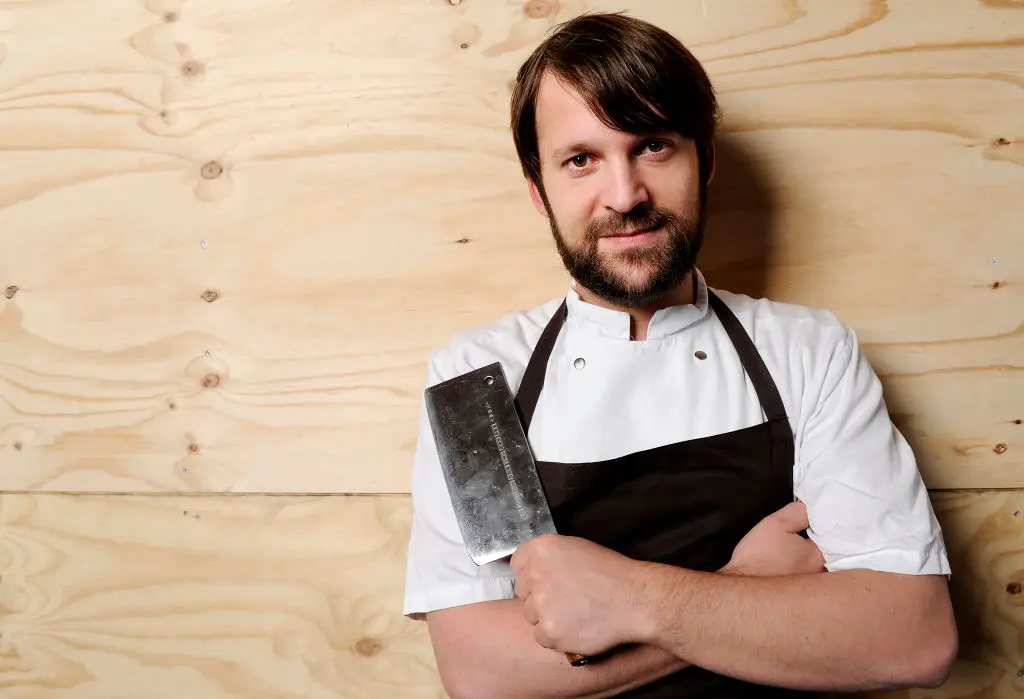
In the final part of the statement, he said: “Over the past decade that has meant therapy, deep reflection, and stepping away from leading the day-to-day service. I have found better ways to manage my anger, and I am still learning.
“The organization we are today is very different from the one we started with. I'm grateful for our team and the way they have helped transform our kitchen culture and their dedication to move the industry forward. A team that makes me want to do better every day.
“I cannot change who I was then. But I take responsibility for it and will keep doing the work to be better.”
The reaction online from social media commenters has been sharply divided. Some backed the apology and praised Redzepi for addressing the issue publicly, while others questioned both the timing and the substance of the statement.
One person wrote: “Oh, an apology an hour before the @nytimes article came out,” while another asked: “How are the victims getting reparations?”
Others were even more direct, with one comment reading: “You guys wanna read a fake apology?” and another saying: “This is damage control.”
FOODbible has reached out to Rene Redzepi and Noma for comment.
Topics: Restaurants and bars
 Ben Williams