Warning over TikTok wooden spoon hack and what you should do instead

The new year often has us tackling health-related quests and embarking on tasks that help us do ‘better’ for our lives and bodies.
While that may look different for everyone, popular paths include maintaining a healthy, balanced diet, indulging in supplements, and even getting rid of built-up clutter at the back of draws and cupboards.
If you’re having a little bit of a January blitz, then you may have already scoured TikTok for some home inspiration.
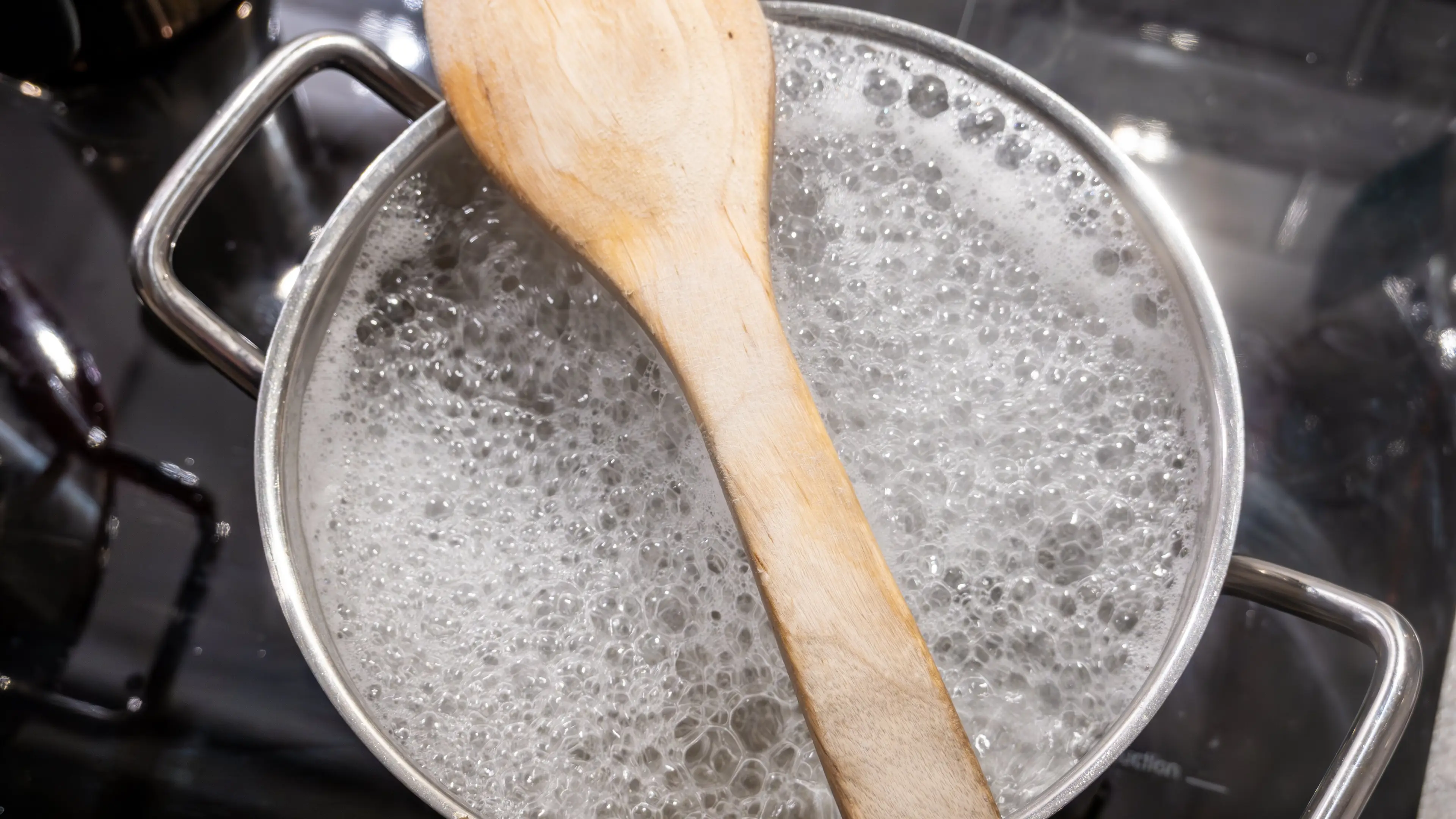
Earlier this year, a major ‘hack’ resurfaced which saw CleanTok cultists slamming their wooden utensils into boiling water, hoping to ‘purge’ them of so-called ‘harboured bacteria’.
Advert
But it turns out that this cleaning practice is doing way more harm than good, with consumer champions Which? and even American homemaker, Martha Stewart, slamming the trend.
If you’ve watched any of these videos, then you’ll know that just minutes after the wooden spoons have been placed in the cup, the boiling water will begin to turn brown.
Some social media users have claimed the grimy concoction is just ‘proof’ that your tongs have been ‘dirty’ for years.
However, experts have revealed that’s not quite the case.
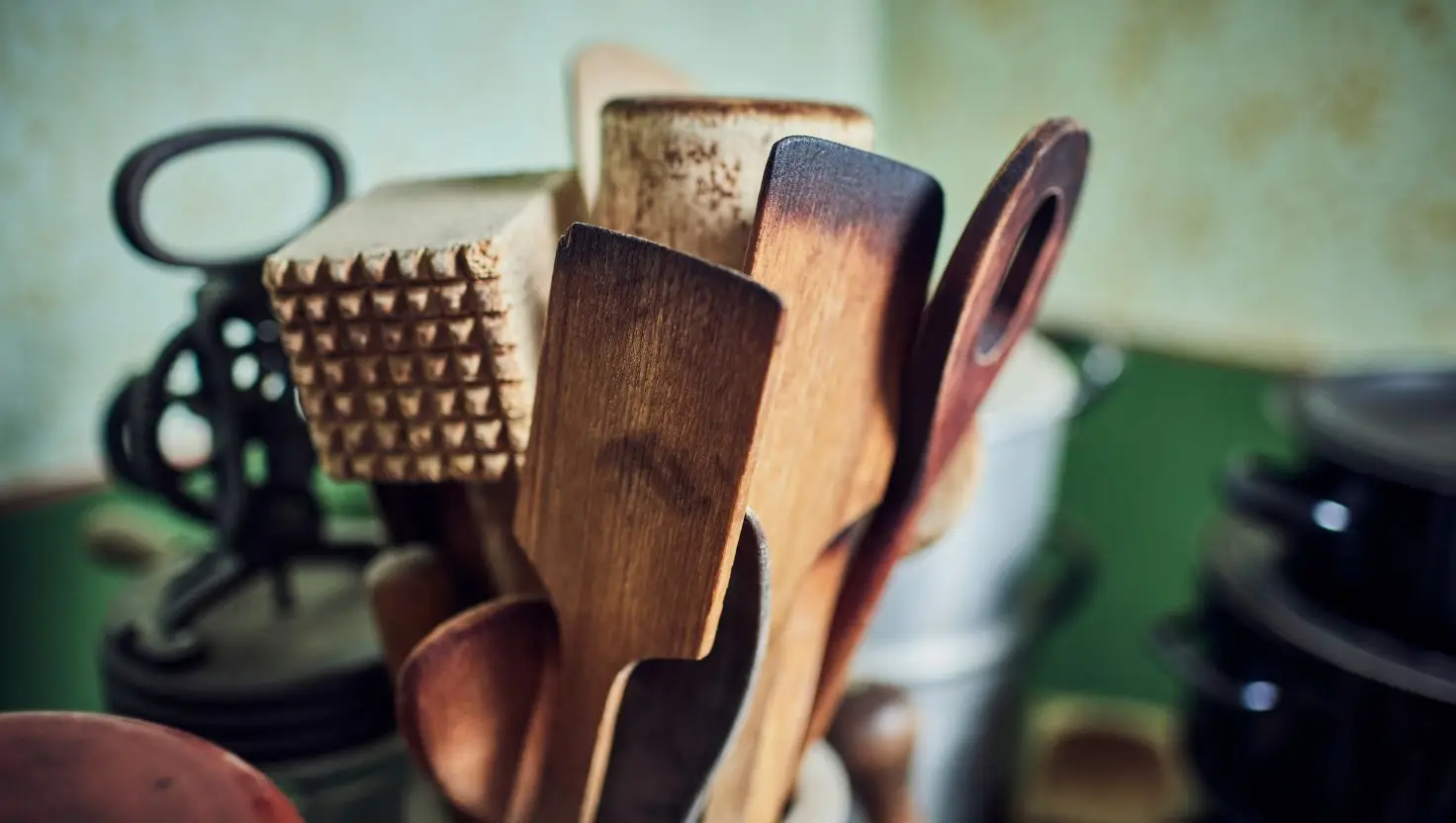
According to culinary experts and woodworkers alike, it’s not dirt and built-up food residue leaking out of your wooden utensils: it’s actually the wood itself reacting to extreme heat.
Speaking to Marthastewart.com, Rachel Longenecker, wholesale manager at Lancaster Cast Iron, revealed that boiling your utensils can cause tannins and natural pigments to escape.
If you keep boiling your spoons, then cracks may even form - and that’s a recipe for disaster.
This is because bacteria may potentially seep into the antimicrobial wood.
“If wooden spoons are repeatedly boiled or left soaking for long periods, the fibres can weaken and dry out over time,” Longenecker added.
So, how do you clean your wooden utensils, make sure they last as long as possible, and stay safe in the process?
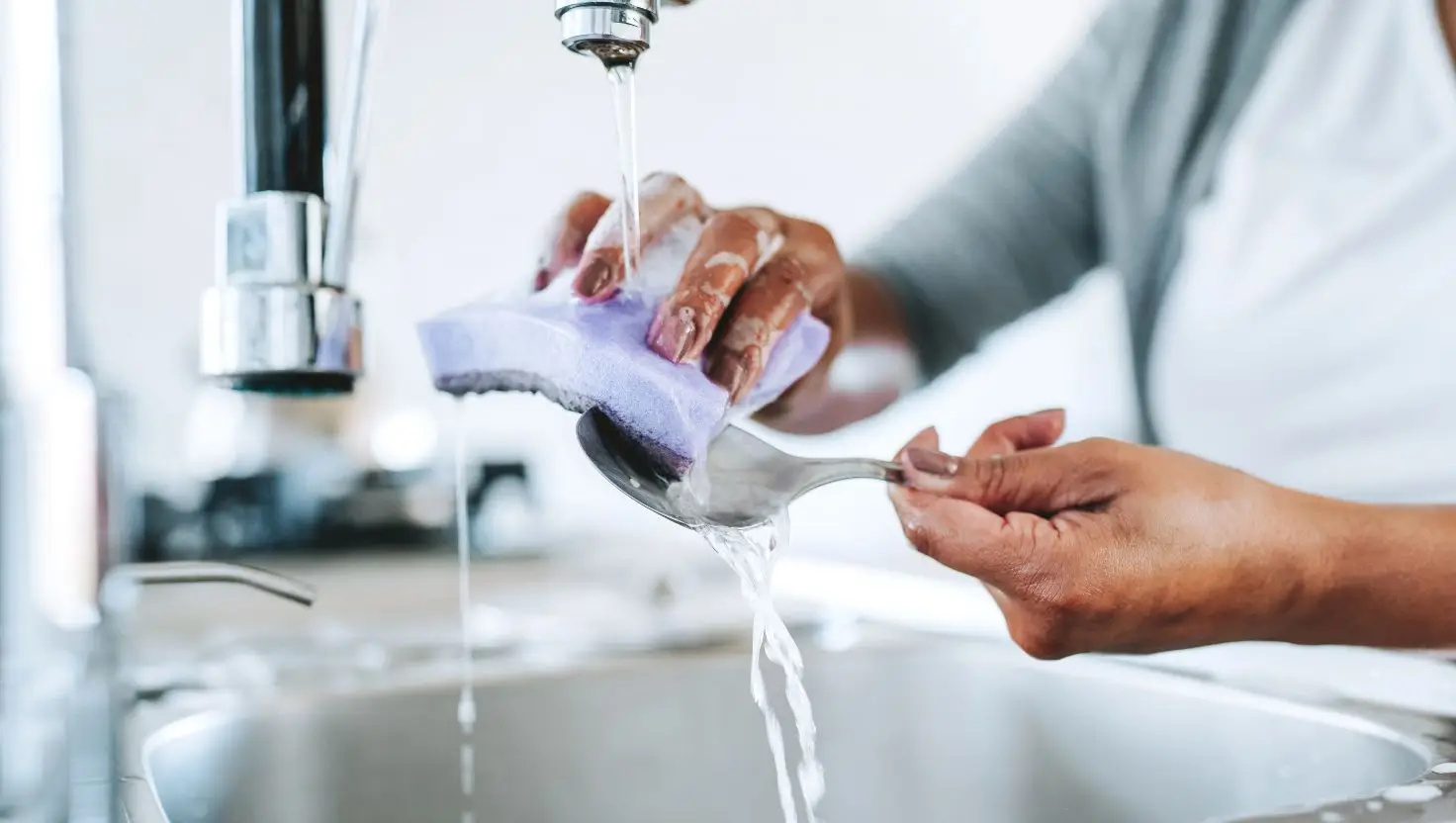
The New York Times wrote that as soon as you’re finished using them, rinse them under warm water, lather on some unscented soap, and ‘scrub any visible food particles with a sturdy sponge’.
Don’t ever put them in the dishwasher either, because when wood is exposed to such high heat and moisture it can warp, splinter, and eventually break, as per Finish UK.
The same goes for your expensive wooden cutting board. You should choose to wash this by hand instead of slamming it in the dishwasher.
For the latter, Finish UK recommends wiping them down with a solution made from 1–2 teaspoons of bleach per litre of water, before washing it by hand using hot, soapy water in the kitchen sink.
Topics: Health, Social Media
 Ella Scott