
Warning to anyone who eats spinach after it tops very undesirable list

If one of your 2026 goals is to follow dietary restrictions and prioritise vegetables, then you may have already turned to leafy greens like lettuce, kale, and spinach to get your vitamin fix.
The latter, which experts suggest may help support energy levels, fight against cancer, and support healthy bones, is an excellent source of vitamin K, as well as bone-friendly magnesium, calcium, and phosphorus, as per BBC Good Food.
But experts have warned spinach may not be the so-called ‘holy grail’ after all.
In fact, studies have found the flowering plant has ‘more pesticide residues by weight than any other type of produce’.
Advert
The United States Department of Agriculture (USDA) found in 2016 that four pesticides - one insecticide and three fungicides - were responsible for the bulk of the residues detected on spinach, according to the Environmental Working Group (EWG).
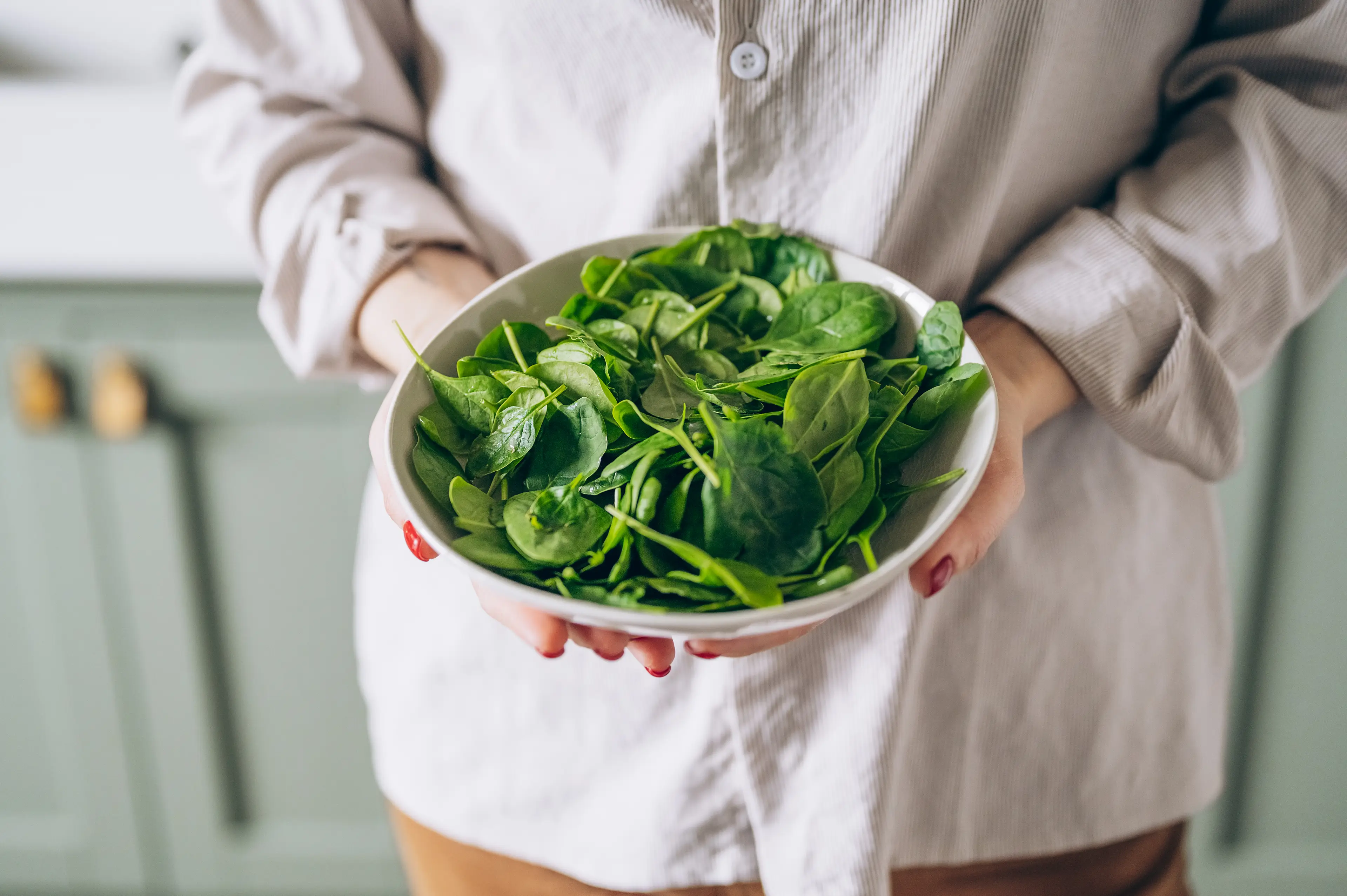
The nonprofit organisation, dedicated to helping Americans live their healthiest life, warned that up to 19 different pesticides or breakdown products were found on a single spinach sample during the USDA’s latest test.
Moreover, a staggering 76 percent of leafy green samples contained residues of permethrin, a neurotoxic insecticide.
Permethrin, a synthetic pyrethroid, is approved for treating scabies and pediculosis capitis.
Officials in Europe banned the substance from being used on food crops 26 years ago due to high doses ‘overwhelming the nervous system and causing tremors and seizures’.
Other vegetables and fruits ‘covered in pesticides’
Due to the health concerns tied to pesticides used on spinach crops, the vegetable has topped the EWG ‘Dirty Dozen’ list.
The catalogue, updated in 2025, documents the 12 fruit and vegetables most contaminated with pesticides in the UK.
Based on evidence, strawberries are the fruit featuring the most plant protection products, with kale, collard, and mustard greens also making the podium.
Grapes and peaches make fourth and fifth place, respectively, with cherries, nectarines, and pears being criticised.
Bringing up the rear in ninth place is apples, which the EWG state are ‘doused with chemical after harvest’, and blackberries in tenth.
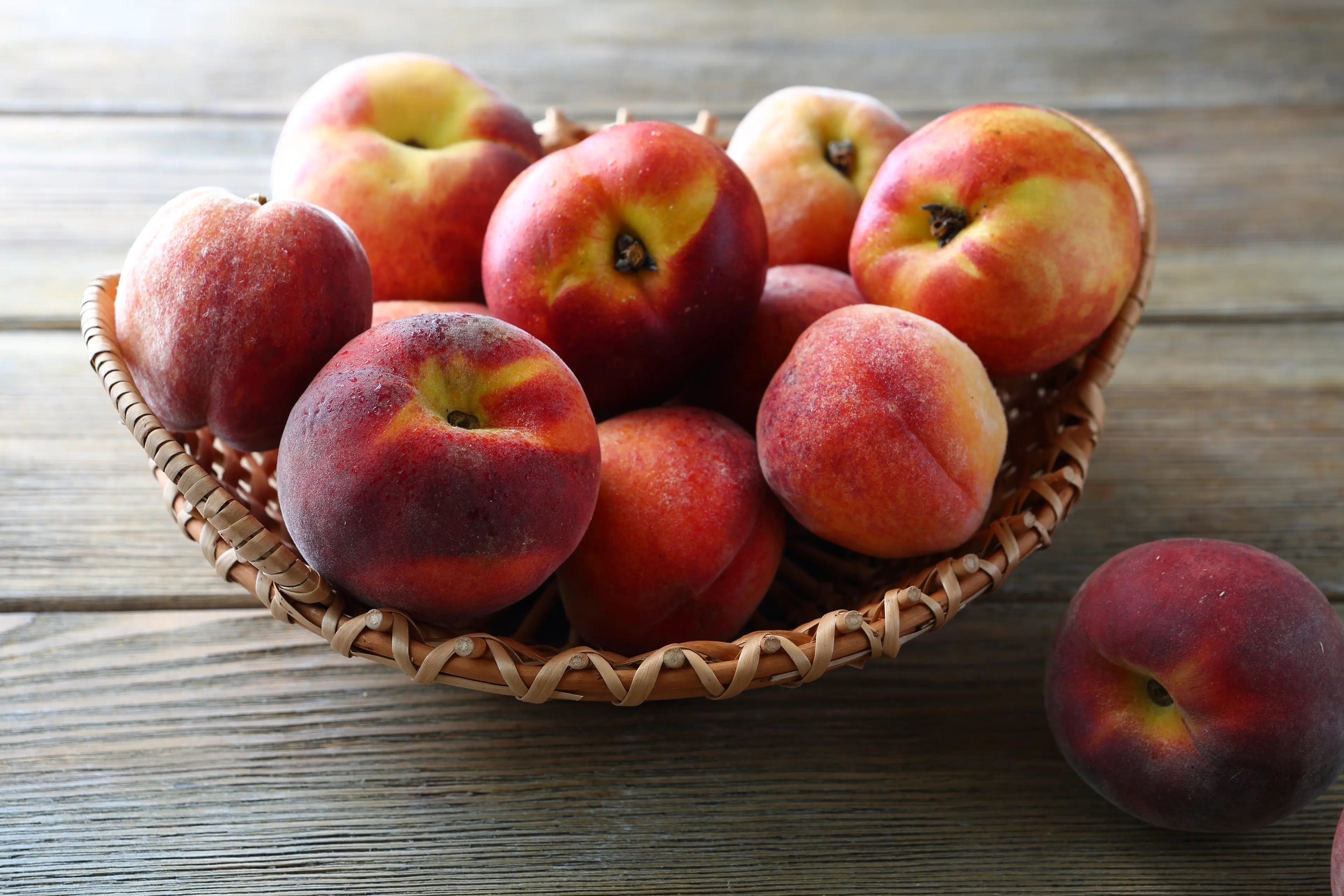
The USDA tested the fruit for pesticides for the first time in 2023, finding the toxins on 93 percent of samples.
Blueberries and potatoes - the most consumed vegetable in the United States - make up 11th and 12th place on the so-called ‘Dirty Dozen’.
How to consume less pesticides
Most pesticide residue can be washed and scrubbed off fruit and vegetables, according to the US Environmental Protection Agency.
It’s best to do this under running water, with officials explaining this is because water has a ‘abrasive effect’.
“This will help remove bacteria and traces of chemicals from the surface of fruits vegetables and dirt from crevices," the agency said.
By peeling your fruits and vegetables, and discarding outer leaves, you will reduce dirt, bacteria, and pesticides from your diet.
Eating a variety of fruits and vegetables from different sources may also reduce the likelihood of exposure to a single pesticide.
 Ella Scott